● Lifestyle & Prevention
Cardiovascular Disease Prevention: A Complete Guide to Protecting Your Heart and Reducing Future Risk
Table of Contents
- Introduction
- Understanding Cardiovascular Disease Risk
- Why Is Cardiovascular Disease Prevention Important?
- Clinical Assessment and Cardiovascular Risk Scoring
- What Is Cardiovascular Risk Scoring?
- Lifestyle Changes for Cardiovascular Disease Prevention
- Management of Medical Risk Factors
- How Do the Different Risk Factors Work Together?
- Actionable Cardiovascular Prevention Checklists
- What Should You Ask Your Cardiologist?
- Myth Versus Fact: Cardiovascular Disease Prevention
- Cardiovascular Disease Prevention at CANES Clinic
- FAQs
Book a Consultation
Prevention is better than cure. Talk to our specialists today.
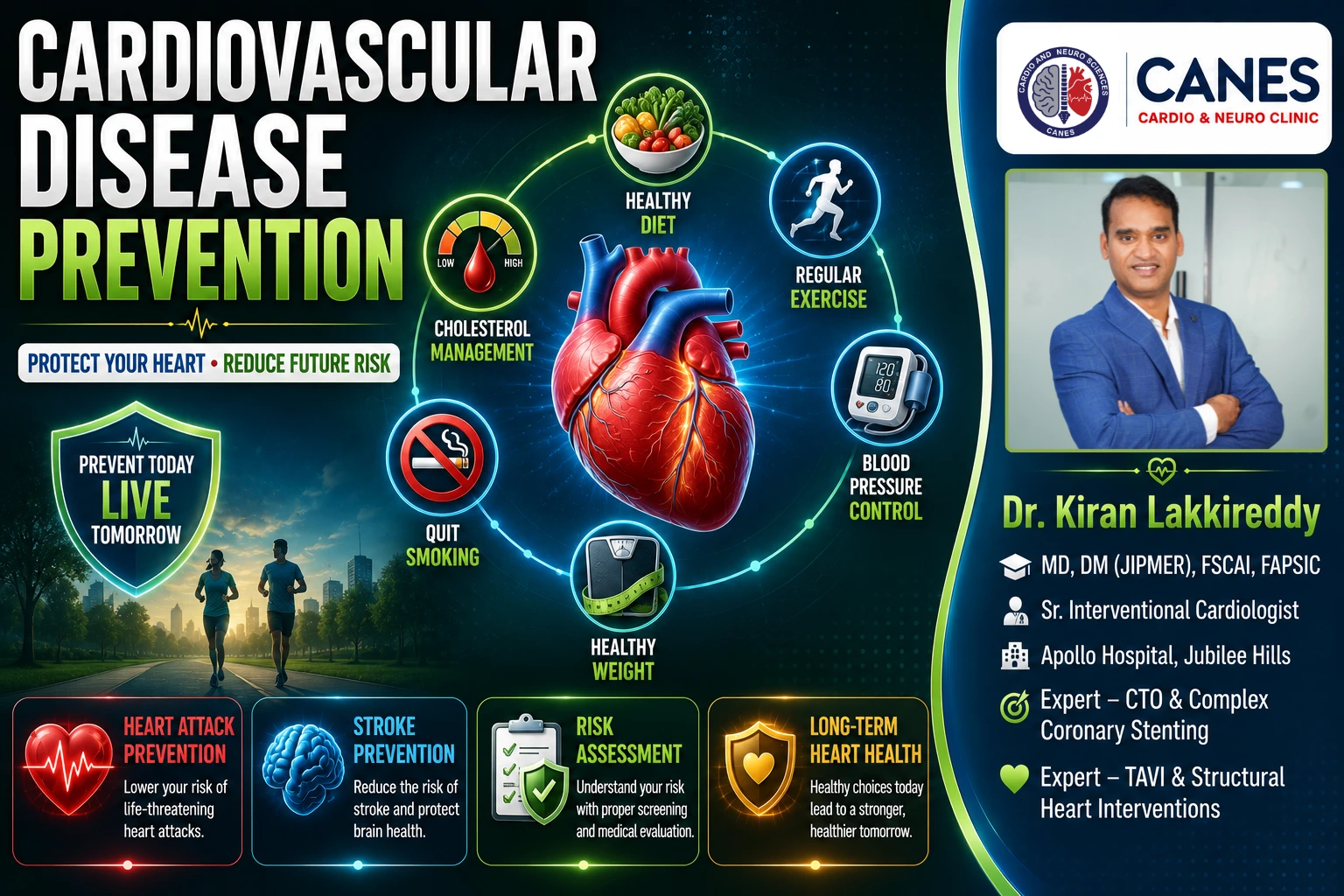
Cardiovascular disease, commonly referred to as CVD, is one of the leading causes of death worldwide and is estimated to account for approximately 17.9 million deaths each year. Cardiovascular disease is not a single condition. It refers to a group of disorders affecting the heart and blood vessels.
These may include:
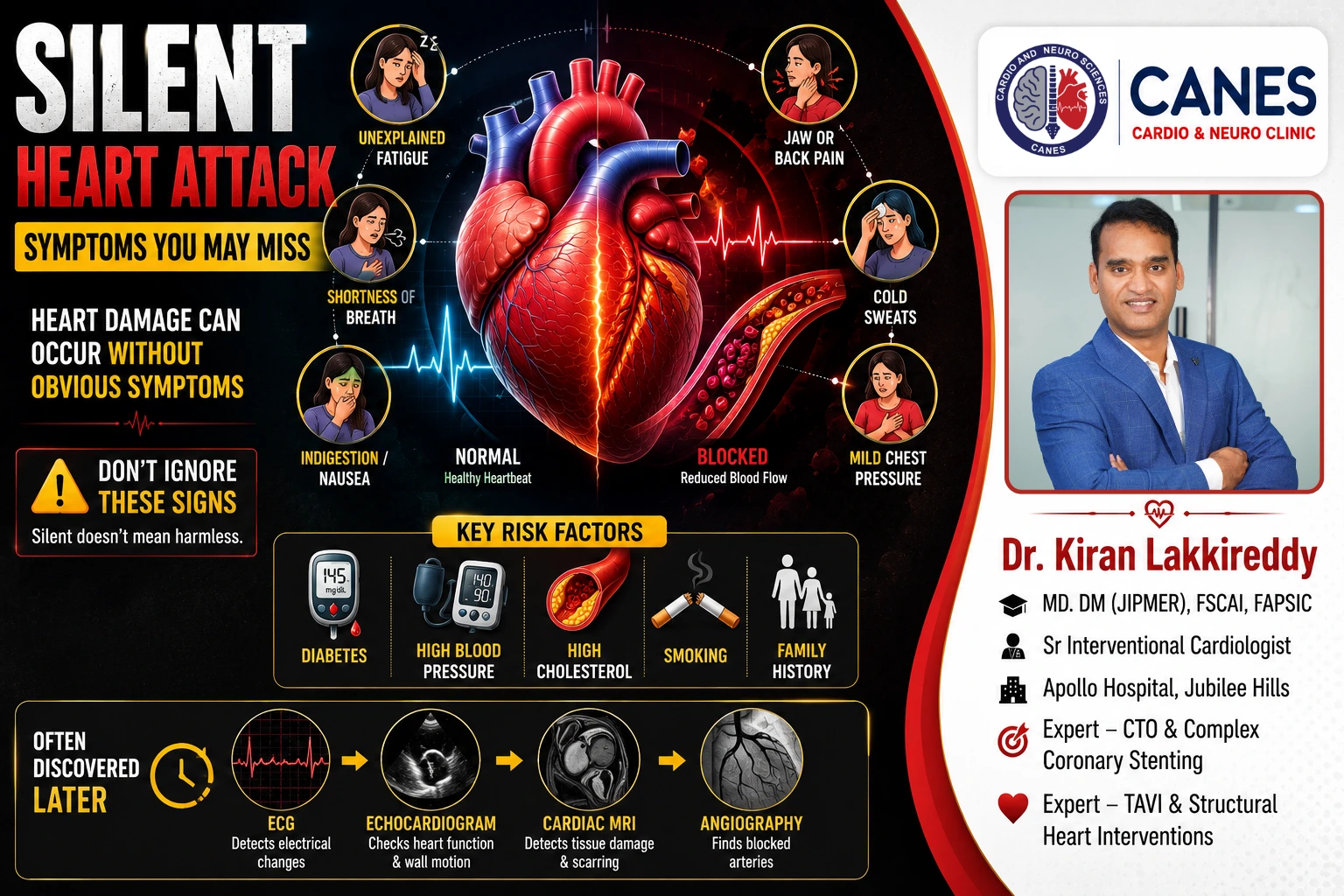
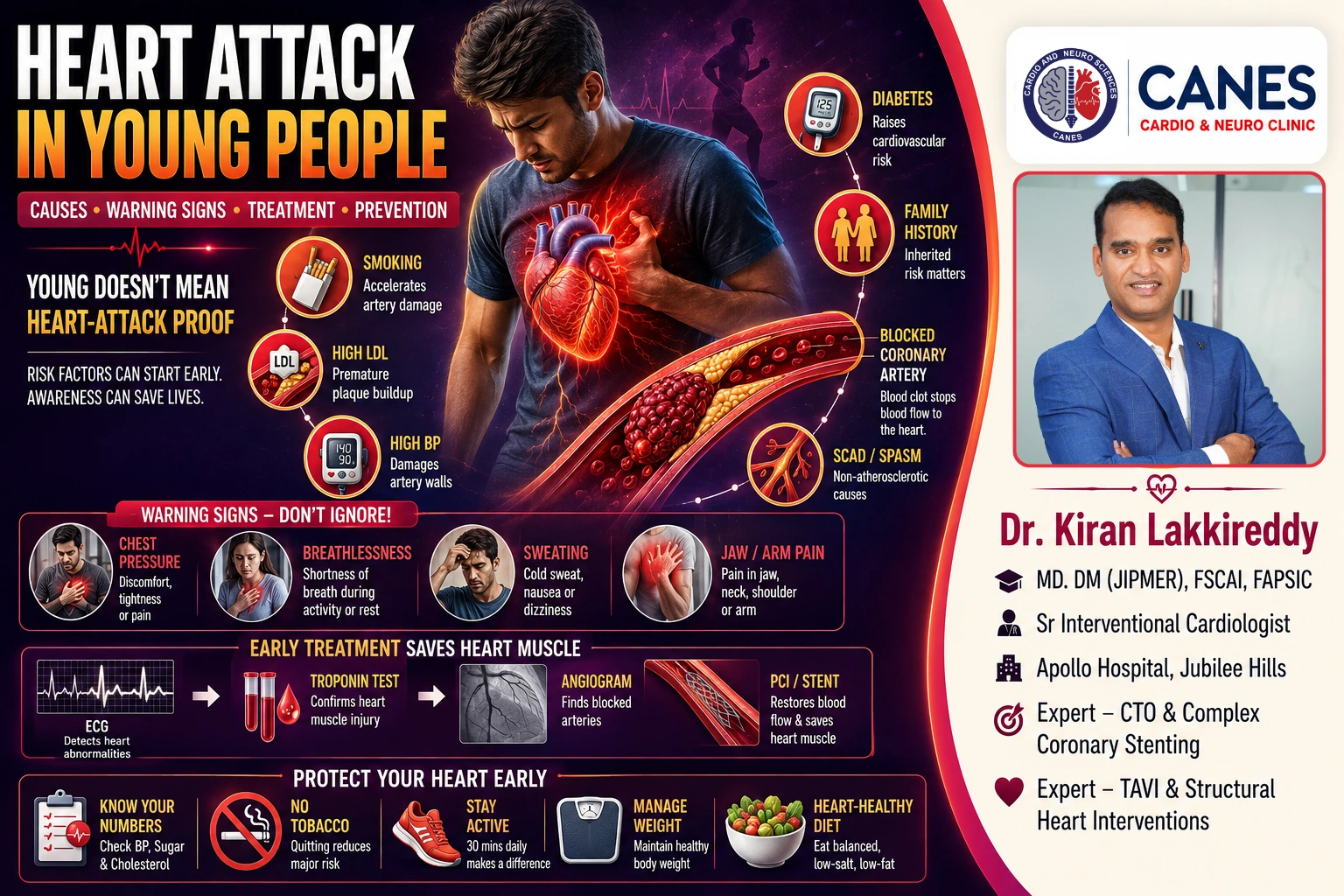
- Heart attack caused by blockage of the blood vessels supplying the heart
- Stroke caused by blockage of blood vessels supplying the brain
- Arrhythmias or problems involving the heart rate and rhythm
- Heart-valve disorders
- Other diseases affecting the heart and circulatory system
Although some cardiovascular risk factors cannot be changed, many important risk factors can be identified, controlled, or modified. This makes prevention one of the most important approaches to reducing premature illness, disability, and death related to cardiovascular disease.
At CANES Cardio & Neuro Clinic in Hyderabad, cardiovascular care focuses on careful assessment, patient education, risk-factor identification, and shared decision-making. Guided by Dr. Kiran Lakkireddy, an experienced interventional cardiologist specialising in complex cardiology, the clinic helps patients understand their cardiovascular risk and the steps that may help protect their long-term heart health.
Quick Answer
Cardiovascular disease prevention focuses on identifying and controlling factors that increase the risk of heart attack, stroke, and other cardiovascular problems.
Important preventive measures include maintaining a heart-healthy diet, exercising regularly, avoiding smoking, maintaining a healthy body weight, and avoiding alcohol. Additionally, controlling high blood pressure, managing cholesterol, regulating diabetes, and using prescribed medicines are crucial. The greatest benefit generally comes from combining healthy lifestyle habits with appropriate medical treatment of cardiovascular risk factors.
Cardiovascular Risk Factors at a Glance
Risk Category | Examples | Clinical Importance |
|---|---|---|
Non-Modifiable | Age, Sex, Ethnicity, Family History | Cannot be changed; requires higher vigilance on other controllable factors. |
Modifiable (Lifestyle) | Diet, Physical Inactivity, Smoking, Alcohol, Obesity | Direct habits that can be altered to significantly lower daily cardiovascular strain. |
Modifiable (Medical) | Hypertension, High LDL Cholesterol, Diabetes | Underlying medical conditions requiring targeted treatment and lifelong monitoring. |
Understanding Cardiovascular Disease Risk
Cardiovascular risk is determined by a combination of non-modifiable factors, like age and family history, and modifiable factors, such as blood pressure and diet, which can be actively controlled to protect your heart.
Not everyone has the same likelihood of developing cardiovascular disease. Risk factors are broadly divided into two groups: non-modifiable and modifiable. Understanding the difference is important because preventive strategies mainly focus on the factors that can be changed or controlled.
Non-Modifiable Risk Factors
These are factors that an individual cannot change. They include:
- Age
- Sex
- Race or ethnicity
- Family history of heart disease
Having one or more non-modifiable risk factors does not necessarily mean that cardiovascular disease will develop. However, it may make careful attention to modifiable risk factors even more important.
Modifiable Risk Factors
Several important cardiovascular risk factors can be treated, controlled, or improved. These include:
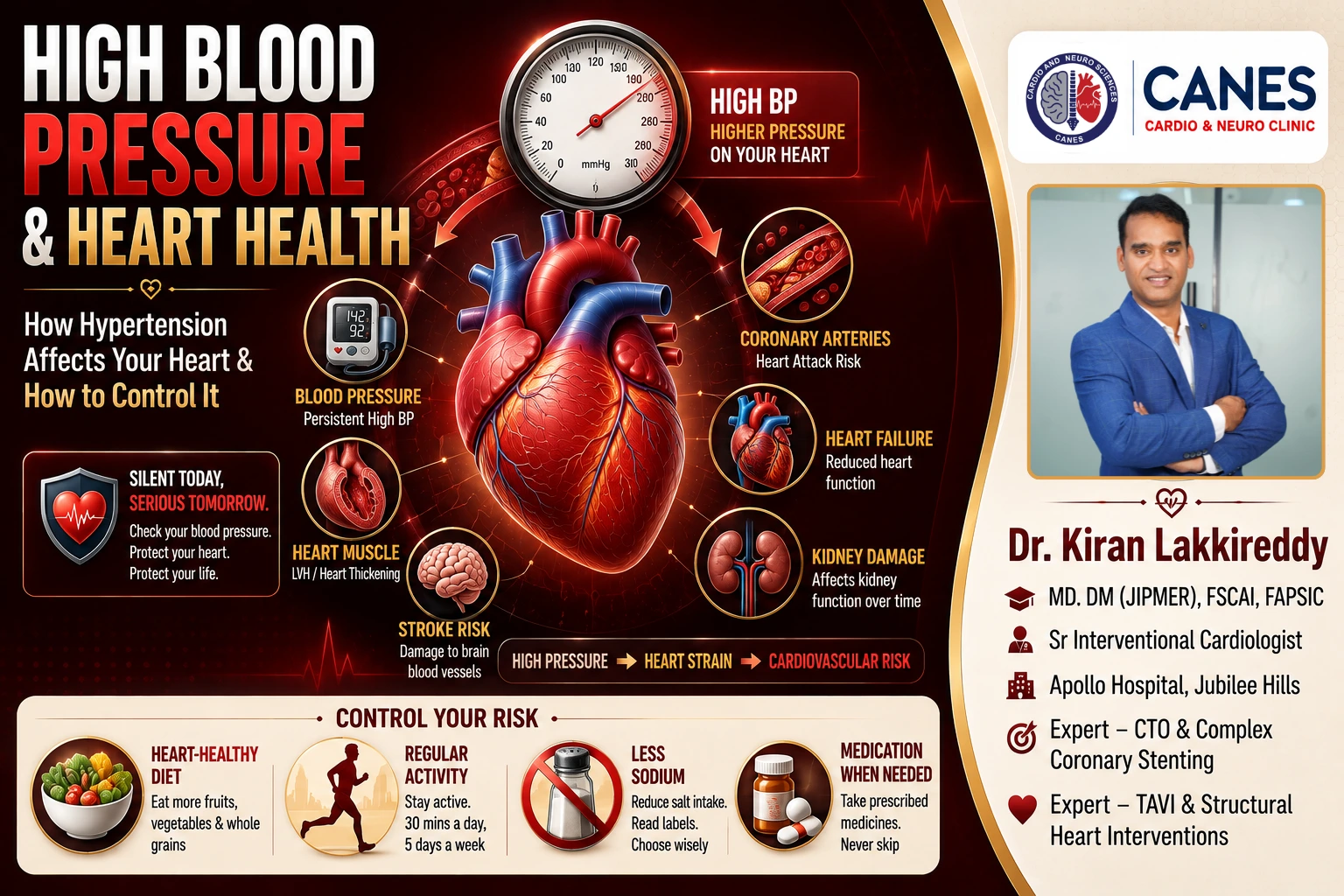
- High blood pressure or hypertension
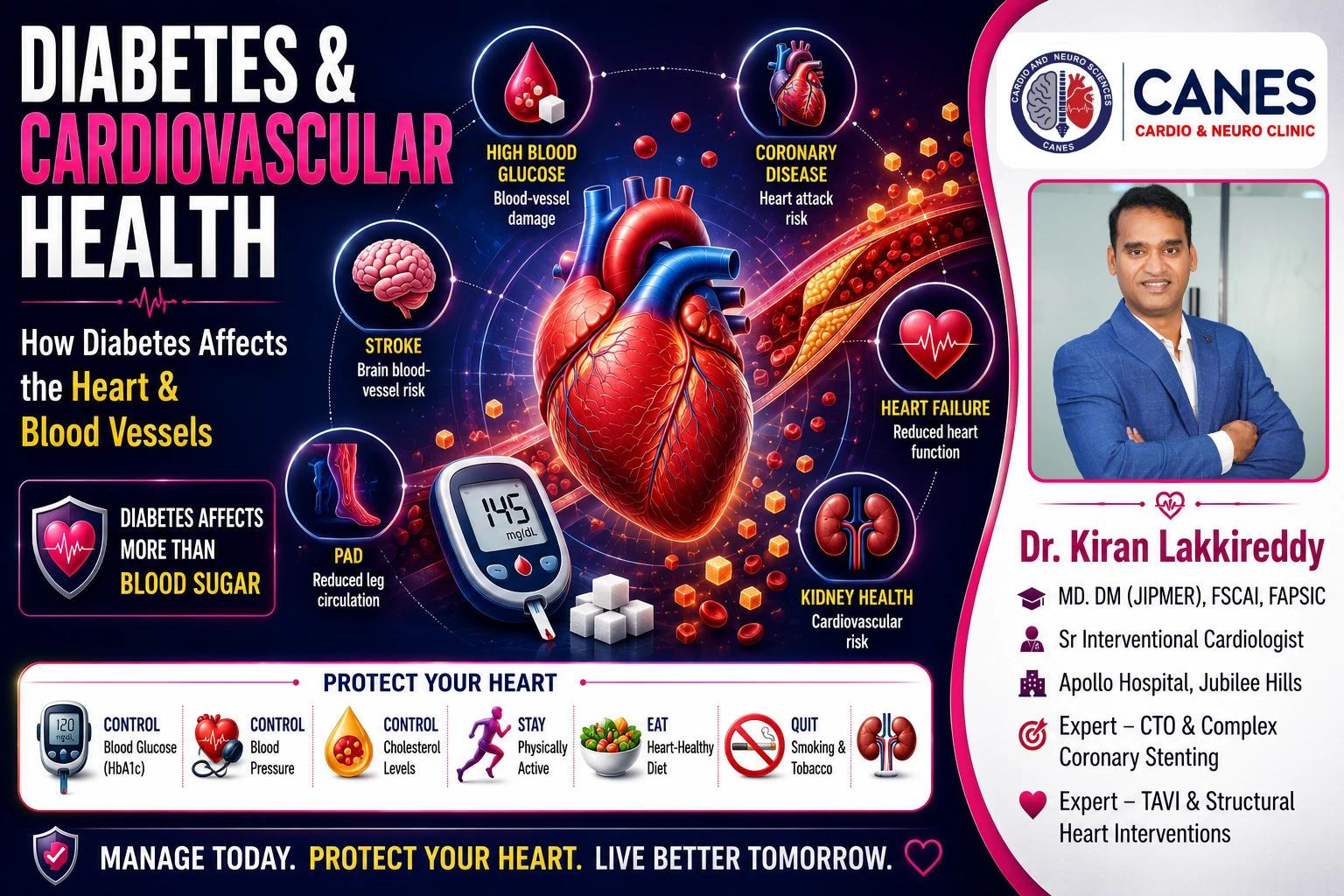
- Diabetes
- Smoking
- Elevated cholesterol
- Physical inactivity
- Obesity or excess body weight
- Unhealthy dietary habits
People with multiple cardiovascular risk factors may have a substantially greater risk of cardiovascular disease and cardiovascular-related mortality.
Key takeaway: You cannot change your age or family history, but you can work on blood pressure, cholesterol, blood sugar, smoking, weight, physical activity, and other lifestyle-related factors.
Why Is Cardiovascular Disease Prevention Important?
Cardiovascular disease prevention is crucial because identifying and controlling risk factors early is the most effective way to avoid life-threatening events like heart attacks, strokes, and premature disability.
The principle that “prevention is better than cure” is particularly relevant to cardiovascular disease. Preventive care aims to reduce the likelihood of serious events such as:
- Heart attack
- Stroke
- Heart failure
- Other cardiovascular complications
- Premature disability
- Reduced quality of life
Prevention is most effective when modifiable cardiovascular risk factors are identified early and managed consistently. This may involve lifestyle changes alone in some people, while others may also require medicines or additional medical treatment.
Clinical Assessment and Cardiovascular Risk Scoring
Clinical assessment and ASCVD risk scoring evaluate your combined cardiovascular risk factors to estimate your likelihood of a future heart event, guiding your doctor in prescribing the right preventive treatments.
Cardiovascular disease prevention should begin with understanding an individual’s overall risk. A clinical assessment may help identify:
- Existing cardiovascular risk factors
- Evidence of damage to organs affected by hypertension or other conditions
- People who may require additional investigations
- People who may require more intensive treatment
- Situations that require urgent medical intervention
Assessment is particularly important because cardiovascular risk is usually influenced by several factors acting together rather than by one factor alone.
What Is Cardiovascular Risk Scoring?
Risk-prediction systems can help estimate the likelihood of developing a cardiovascular event over a defined period. One example is the ASCVD (Atherosclerotic Cardiovascular Disease) risk score.
Such scoring systems may take several factors into account and help healthcare professionals identify individuals who may benefit most from timely preventive interventions. A risk score should be interpreted as part of an overall clinical assessment rather than as an isolated number.
Key takeaway: The higher a person’s total cardiovascular risk, the more intensive risk-factor control may need to be.
Lifestyle Changes for Cardiovascular Disease Prevention
The foundation of cardiovascular disease prevention relies on lifestyle changes, including eating a heart-healthy diet, exercising regularly, stopping smoking, managing your weight, and avoiding alcohol.
Prevention can broadly be divided into lifestyle modification and medical management. These approaches often need to work together.
1. Follow a Heart-Healthy Diet
Nutrition has an important role in cardiovascular prevention. A balanced diet can help support better control of blood pressure, cholesterol, blood sugar, and body weight.
Dietary patterns such as the DASH diet (Dietary Approaches to Stop Hypertension) and the Mediterranean diet emphasise healthier food choices. A heart-healthy diet generally encourages limiting:
- Excess salt (less than 5 grams per day)
- Added sugar and sugar-sweetened beverages
- Processed carbohydrates
- Alcohol
- Saturated fats (total fat intake reduced to approximately 30% of total calories)
- Trans fats
At the same time, people are encouraged to eat at least 400 grams per day of vegetables and fruits, alongside whole grains, pulses, and other minimally processed nutritious foods. Rather than following a temporary restrictive diet, the objective should be to develop sustainable eating habits.
2. Exercise Regularly
Physical activity is one of the central components of cardiovascular disease prevention. Healthy adults are generally encouraged to perform at least:
- 150 minutes per week of moderate-intensity aerobic physical activity (approx. 30 minutes on 5 days each week) OR
- 75 minutes per week of vigorous aerobic physical activity.
- Examples include brisk walking, cycling, swimming, jogging, and other activities that appropriately increase heart rate. Research also suggests that approximately one hour of physical activity may help offset some of the cardiovascular risk associated with prolonged sitting. (Note: People with known heart disease or significant symptoms should obtain medical guidance before beginning a new exercise programme.)
3. Stop Smoking
Smoking is one of the most important preventable causes of premature cardiovascular mortality, approximately doubling the 10-year cardiovascular mortality rate.
Passive smoking (second-hand smoke) also increases cardiovascular risk by approximately 30%. Stopping smoking provides massive benefits: heart-attack risk decreases substantially after approximately one year, and stroke risk decreases over approximately four years.
Key takeaway: Stopping smoking is beneficial at any stage. People who find quitting difficult should discuss structured smoking-cessation support with an appropriate healthcare professional.
4. Maintain a Healthy Weight
Excess body weight, particularly a Body Mass Index (BMI) above 25, is a known cardiovascular risk factor. However, risk is not determined by BMI alone; visceral fat (fat stored around internal organs) contributes significantly to metabolic risk.
Even modest weight loss can be beneficial. A reduction of approximately 5% to 15% of body weight over six months is a realistic goal that helps improve blood pressure, cholesterol, and blood-sugar control. Medical weight-loss treatments or bariatric surgery may be considered for highly specific, severe cases under medical supervision.
5. Alcohol and Cardiovascular Risk
Alcohol consumption increases cardiovascular risk through increased blood pressure, a greater tendency toward blood clots, and higher risks of stroke, heart failure, and atrial fibrillation (especially with binge drinking).
Because of the lack of proven cardiovascular benefit in the Indian population and the recognised harms, the supplied recommendations advise avoiding alcohol and encourage people who currently drink to stop.
Management of Medical Risk Factors
When lifestyle changes are insufficient, cardiovascular disease prevention requires medical management of key risk factors using targeted therapies to lower cholesterol, control blood pressure, and regulate blood glucose.
The total cardiovascular risk of an individual is generally determined by the combined effect of multiple risk factors. The greater the overall risk, the more intensive preventive management may need to be.
Cholesterol and Lipid-Lowering Therapy
Elevated cholesterol, particularly LDL-C (low-density lipoprotein), is a primary cardiovascular risk factor. Reducing LDL-C by approximately $1.0~mmol/L$ may produce an approximately 20% to 25% reduction in cardiovascular mortality risk.
Statins are among the most commonly used cholesterol-lowering medicines and have substantial evidence supporting their role in lowering LDL cholesterol. Apolipoprotein B (ApoB) is also tracked as a cardiovascular risk predictor similar to LDL cholesterol.
Blood-Pressure Control (Antihypertensive Therapy)
High blood pressure is an independent risk factor. Cardiovascular-event risk approximately doubles with each 20 mmHg increase in systolic blood pressure and 10 mmHg increase in diastolic blood pressure.
Guidelines recommend reducing blood pressure to below approximately 140/90 mmHg. Achieving effective reduction is generally more important than focusing on one particular medicine. Many individuals require more than one antihypertensive medicine to achieve optimal control.
Blood-Glucose Control and Diabetes
Diabetes is an important risk factor, and good blood-glucose control is critical for prevention. Reducing elevated glucose levels lowers cardiovascular risk. Screening involves tests like fasting blood glucose and HbA1c. Metformin is often a first-line treatment, aiming for a target HbA1c below 7% to reduce cardiovascular risk.
Antiplatelet Therapy (Aspirin / Ecosprin)
Antiplatelet medicines such as aspirin (Ecosprin) require careful consideration. Ecosprin should generally be avoided for routine primary prevention in people without other relevant medical conditions because of an increased bleeding risk without clear evidence of cardiovascular-risk reduction in such individuals.
Even among people with diabetes, aspirin should be considered only when cardiovascular risk is sufficiently high and after appropriate medical assessment.
How Do the Different Risk Factors Work Together?
Cardiovascular risk factors act synergistically; having multiple conditions like high blood pressure, diabetes, and smoking multiplies your overall risk, making a comprehensive, multi-targeted prevention strategy essential.
Cardiovascular disease rarely develops because of only one risk factor. A person may have several factors at the same time. Each factor contributes to the overall risk, and the combined effect may be far greater than the effect of any one factor alone.
A comprehensive approach must include assessing overall risk, setting lifestyle goals, treating required medical conditions, and adjusting treatments based on regular medical reviews.
Actionable Cardiovascular Prevention Checklists
Practical Heart-Prevention Checklist
For many adults, a proactive prevention plan should include:
- Eat more vegetables, fruits, whole grains, and pulses
- Reduce excess salt, sugar, and unhealthy fats
- Avoid sugar-sweetened beverages
- Exercise regularly and reduce prolonged sitting
- Stop smoking and avoid second-hand smoke
- Maintain a healthy body weight
- Avoid alcohol consumption
- Check blood pressure regularly
- Screen for diabetes when appropriate
- Monitor cholesterol levels
- Take all prescribed medicines consistently
- Attend regular medical follow-up appointments
What Should You Ask Your Cardiologist?
Use this checklist during your next consultation to understand your specific risks:
- What are my main cardiovascular risk factors?
- What is my overall cardiovascular risk (ASCVD score)?
- What blood-pressure target should I aim for?
- Should my cholesterol be treated, and what is my LDL target?
- What HbA1c or glucose target applies to me?
- How much exercise is safe for me?
- What dietary changes would provide the most benefit?
- Should I take aspirin or Ecosprin for primary prevention?
- How often should my cardiovascular risk factors be reviewed?
Myth Versus Fact: Cardiovascular Disease Prevention
Common Myth | Medical Perspective |
|---|---|
Heart disease cannot be prevented because it runs in families. | Family history cannot be changed, but important risk factors like smoking, blood pressure, cholesterol, and diabetes can be effectively addressed. |
Only older people need to think about cardiovascular prevention. | Cardiovascular risk develops over time; healthy habits and risk-factor control are important well before symptoms appear. |
Exercise alone is enough to prevent heart disease. | Exercise is important, but prevention also involves diet, weight control, and managing blood pressure, cholesterol, and diabetes. |
If I feel healthy, my blood pressure and cholesterol must be normal. | Hypertension and high cholesterol often produce no obvious symptoms. Screening is strictly required to detect them. |
Aspirin should be taken by everyone to prevent a heart attack. | Routine aspirin use is not appropriate for everyone due to increased bleeding risk. It requires careful medical assessment. |
Medicines mean lifestyle changes are unnecessary. | Medicines and lifestyle changes complement each other rather than replace one another. |
Cardiovascular Disease Prevention at CANES Clinic
Preventing cardiovascular disease requires more than simply checking one blood-pressure reading or one cholesterol value. The most appropriate preventive strategy depends on the individual’s age, family history, blood pressure, cholesterol, blood-sugar status, weight, smoking history, lifestyle, and existing medical conditions.
At CANES Cardio & Neuro Clinic, patients can receive structured cardiovascular evaluation and understandable guidance regarding heart health and risk-factor management.
Guided by Dr. Kiran Lakkireddy, an experienced interventional cardiologist specialising in complex cardiology, the approach focuses on detailed assessment, patient education, shared decision-making, and coordination of long-term preventive care. Preventive recommendations should always be individualised because the same treatment or target may not be appropriate for every patient.
Location: 3rd Floor, Tapasavi Commercial Complex, Hi-Tension Road, Kondapur, Hyderabad
Contact: +91 9014944654
Appointment Booking: Visit CANES Clinic Official Portal
Specialist Profile: Dr. Kiran Lakkireddy Official Website
Key Points to Remember
- CVD is a major health problem: It includes heart attacks, strokes, rhythm disorders, and heart-valve disease.
- Many risk factors can be addressed: High blood pressure, diabetes, smoking, high cholesterol, obesity, and physical inactivity can be improved or treated.
- Diet and Exercise matter: A balanced diet and regular physical activity support cardiovascular fitness and manage risk factors.
- Smoking cessation is critical: Both active and passive smoking heavily increase cardiovascular risk.
- Alcohol increases risk: Recommendations advise avoiding alcohol, particularly in the Indian population.
- Medical management is essential: Lowering LDL cholesterol (statins), controlling hypertension, and managing blood glucose significantly reduce cardiovascular events.
- Aspirin is not for everyone: Primary-prevention use requires careful assessment because of bleeding risk.
- Overall risk matters: Prevention is most effective when multiple risk factors are assessed and managed together over the long term.
(Disclaimer: This article is intended for general patient education. It does not replace individual medical assessment, diagnosis, emergency care, or treatment advice from a qualified healthcare professional.)
Frequently Asked Questions (FAQs)
What is cardiovascular disease prevention?
Cardiovascular disease prevention involves identifying and managing factors that increase the likelihood of developing heart attacks, strokes, and other cardiovascular conditions through lifestyle modification and medical treatment.
Can cardiovascular disease really be prevented?
Not every event can be prevented. However, controlling modifiable risk factors such as smoking, hypertension, elevated cholesterol, diabetes, obesity, and physical inactivity significantly reduces cardiovascular risk.
What is an ASCVD risk score?
ASCVD risk scoring is a method used to estimate a person’s likelihood of developing a cardiovascular event over a defined period, helping healthcare professionals determine how intensive preventive measures should be.
How much exercise should I do for heart health?
Healthy adults should aim for at least 150 minutes of moderate aerobic physical activity each week or approximately 75 minutes of vigorous aerobic activity, provided they have no contraindicating medical conditions.
Does losing a small amount of weight help?
Yes. Losing approximately 5% of body weight may measurably improve blood pressure, cholesterol, and blood-sugar levels.
Does high blood pressure always cause symptoms?
No. Many people with hypertension feel completely well. Routine blood-pressure measurement is essential even in the absence of symptoms.
Should everyone with high cholesterol take a statin?
Not necessarily. Treatment depends on cholesterol levels, overall cardiovascular risk, age, and medical history. The decision must be made with a treating healthcare professional.
Should I take Ecosprin every day to prevent a heart attack?
Not unless it has been recommended after an appropriate medical assessment. Ecosprin (aspirin) can increase bleeding risk and is not appropriate for routine primary prevention in every individual.
Is diet or medicine more important for prevention?
They serve complementary roles. Lifestyle changes are fundamental, while some individuals also require medicines to adequately control their risk factors.
Expert Care
Hyderabad's leading Cardio & Neuro specialists.