Hypertension Treatment in Hyderabad
Home > Services > Hypertension Treatment in Hyderabad
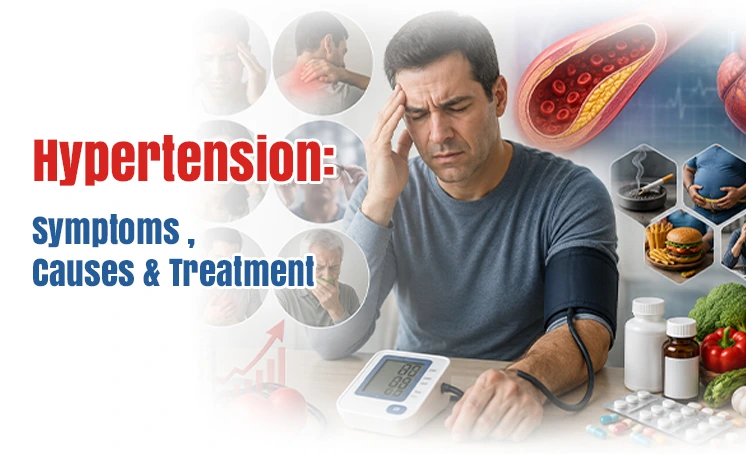
Hypertension is a long-term condition in which blood pressure in the arteries remains higher than it should be. When this pressure stays elevated over time, it increases strain on the heart and blood vessels and can gradually damage organs such as the brain, kidneys and eyes.
Hypertension often causes no obvious symptoms. A person may feel completely well while high blood pressure is affecting the cardiovascular system. Regular measurement and consistent treatment help reduce the risk of heart attack, stroke, heart failure and kidney disease.
What Do the Blood Pressure Numbers Mean?
A blood pressure reading contains two numbers. The upper number is systolic blood pressure, which reflects pressure when the heart contracts. The lower number is diastolic blood pressure, which reflects pressure while the heart relaxes between beats.
Different guidelines use slightly different thresholds. The 2025 ACC/AHA guideline classifies normal blood pressure as below 120/80 mm Hg, elevated blood pressure as 120–129 with diastolic pressure below 80, stage 1 hypertension as 130–139 systolic or 80–89 diastolic, and stage 2 hypertension as 140/90 mm Hg or higher. WHO uses 140/90 mm Hg or higher on measurements taken on two different days as the clinical definition of hypertension. Diagnosis should be based on repeated, properly performed measurements rather than a single isolated reading.
What Causes Hypertension?
Most adults with hypertension have primary, or essential, hypertension. This form usually develops gradually and does not have one single identifiable cause. Age, family history, excess body weight, high salt intake, physical inactivity, tobacco exposure, excess alcohol and metabolic conditions can all contribute.
Secondary hypertension occurs when high blood pressure is driven by another condition or substance. Possible causes include kidney disease, narrowing of the kidney arteries, primary aldosteronism, thyroid or adrenal disorders, obstructive sleep apnea and certain medicines. Secondary causes are especially considered when hypertension begins unusually early or becomes difficult to control.
Does Hypertension Cause Symptoms?
Most people with hypertension do not have symptoms. Headache, dizziness, palpitations or tiredness may occur for many reasons and cannot reliably confirm high blood pressure.
Very high blood pressure can sometimes be associated with severe headache, chest pain, breathlessness, visual disturbance, confusion, weakness or neurological symptoms. These findings may indicate acute injury to important organs and require urgent assessment. Blood pressure should therefore be checked even when a person feels healthy, especially when cardiovascular risk factors are present.
How Is Hypertension Diagnosed?
Blood pressure should be measured using the correct cuff size and proper technique. The patient should rest quietly before the reading, sit with the back supported and feet on the floor, and keep the arm supported at heart level. Caffeine, smoking and exercise shortly before measurement can affect the result.
A single high reading does not usually establish chronic hypertension. Repeat clinic measurements, home blood pressure monitoring or 24-hour ambulatory blood pressure monitoring may be used to confirm the pattern.
Home monitoring can help identify white-coat hypertension, in which readings are high in the clinic but lower at home, and masked hypertension, in which clinic readings appear acceptable but blood pressure is higher outside the clinic. A validated automatic upper-arm device is preferred.
What Is 24-Hour ABPM?
Ambulatory Blood Pressure Monitoring, or ABPM, uses a portable cuff that measures blood pressure repeatedly during normal daytime activities and while the person sleeps.
ABPM can help confirm suspected hypertension, assess nighttime blood pressure, identify white-coat or masked hypertension and evaluate whether treatment is controlling pressure throughout the day. It is especially useful when clinic and home readings do not match.
Why Is Uncontrolled Hypertension Dangerous?
Persistently elevated blood pressure damages arteries and increases the workload on the heart. It is a major modifiable risk factor for coronary artery disease, heart attack, heart failure, atrial fibrillation, stroke, chronic kidney disease and premature death.
The heart may respond to long-standing pressure by developing left ventricular hypertrophy, in which the main pumping chamber becomes thickened. Over time, this can contribute to stiffness and heart failure.
How Is Hypertension Treated?
Treatment combines lifestyle measures with medicines when indicated. The 2025 ACC/AHA guideline recommends lifestyle changes for adults with elevated blood pressure and hypertension and uses an overall treatment goal below 130/80 mm Hg for most adults, with individualized considerations in certain groups.
Medicines are recommended for adults with average blood pressure of 140/90 mm Hg or higher and for many patients at lower levels when cardiovascular disease, previous stroke, diabetes, chronic kidney disease or increased cardiovascular risk is present. Some lower-risk patients with stage 1 hypertension may first undergo a period of lifestyle modification before medication is started if pressure remains elevated.
Common first-line medicine groups include ACE inhibitors, angiotensin receptor blockers, calcium-channel blockers and thiazide-type diuretics. The exact choice depends on kidney function, diabetes, heart disease and other medical conditions.
Which Lifestyle Changes Help?
A heart-healthy diet with less sodium and more vegetables, fruits, whole grains and appropriate protein sources can help lower blood pressure.
Regular physical activity, achieving a healthy body weight, avoiding tobacco, reducing alcohol and improving sleep also support blood pressure control. Potassium-rich foods may help many people, although patients with kidney disease or those taking certain medicines should discuss potassium intake with their doctor.
What Is Resistant Hypertension?
Resistant hypertension describes blood pressure that remains above goal despite treatment with multiple appropriately selected medicines, usually including a diuretic, or blood pressure that requires several medicines to control.
Before labeling hypertension as resistant, doctors check whether readings are accurate, whether medicines are being taken consistently and whether other drugs or substances are raising blood pressure. White-coat effect and secondary causes may also need evaluation.
When Is High Blood Pressure an Emergency?
Severely elevated blood pressure and hypertensive emergency are not the same. Current ACC/AHA guidance defines severe hypertension in nonpregnant adults as blood pressure above 180/120 mm Hg. When there is no evidence of acute target-organ damage, timely clinical assessment and adjustment of oral treatment are generally required.
If very high blood pressure occurs with chest pain, severe breathlessness, weakness or numbness, difficulty speaking, major visual changes, confusion or other signs of acute organ damage, it may represent a hypertensive emergency and requires immediate hospital care.
Frequently Asked Questions:-
Can hypertension be cured permanently?
Primary hypertension is usually a long-term condition. Weight loss, better diet, exercise and treatment of contributing conditions can reduce blood pressure substantially, but continued monitoring remains important.
Can I stop my medicine when BP becomes normal?
Not without medical advice. Normal readings may mean the treatment is working. Stopping medicine can allow blood pressure to rise again, and some medicines should not be stopped abruptly.
Which is more important, systolic or diastolic pressure?
Both matter. Either an elevated systolic or diastolic value can contribute to the diagnosis and cardiovascular risk.
Is home BP monitoring useful?
Yes. Home monitoring can help confirm blood pressure patterns and show whether treatment is working. A validated automatic upper-arm monitor, correct cuff size and proper technique are important.
Can stress alone cause hypertension?
Stress can temporarily raise blood pressure and may contribute indirectly through sleep, diet or alcohol use. Persistent hypertension usually has several contributing factors and should not automatically be attributed to stress.
What blood pressure should I aim for?
Targets should be individualized. Current ACC/AHA guidance uses below 130/80 mm Hg as the overall treatment goal for most adults, while international recommendations may differ depending on cardiovascular risk and associated medical conditions.
Hypertension Treatment in Hyderabad
People with repeatedly elevated blood pressure, difficult-to-control hypertension, large differences between home and clinic readings, or hypertension associated with heart, kidney or vascular disease may benefit from structured cardiovascular evaluation.
Assessment may include accurate office measurements, home blood pressure records, 24-hour ABPM, ECG, blood and urine tests, echocardiography and investigations for secondary causes when clinically appropriate. Treatment is individualized according to blood pressure level, cardiovascular risk, associated conditions and response to therapy.
Dr. Kiran Lakkireddy’s cardiac practice in Hyderabad provides evaluation and management of hypertension and its cardiovascular effects. Very high blood pressure accompanied by chest pain, severe breathlessness, neurological symptoms, confusion or major visual changes requires urgent hospital assessment rather than a routine consultation.