

Heart Failure Treatment in Hyderabad
Home > Services >
Heart Failure Treatment in Hyderabad
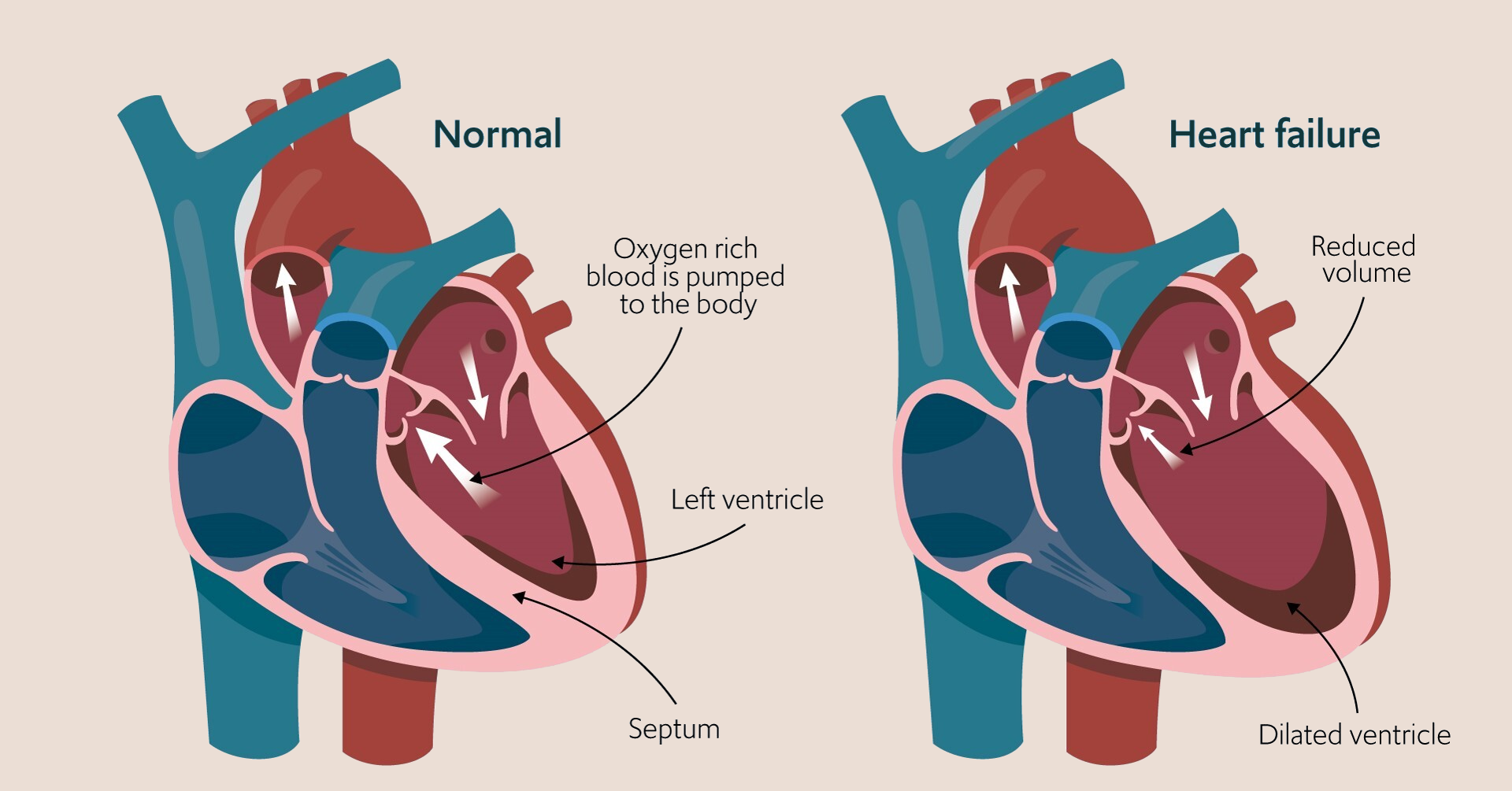
Heart failure is a condition in which the heart cannot pump blood efficiently enough to meet the body’s needs, or can do so only at abnormally high filling pressures. It does not mean that the heart has stopped working. Instead, the heart may be weakened, stiff, or affected by another problem that makes it difficult to fill or pump normally.
In Hyderabad, heart failure evaluation may be needed when a person develops unexplained breathlessness, leg or abdominal swelling, unusual fatigue, reduced exercise capacity, or difficulty breathing while lying flat. Early assessment can help identify the cause and guide treatment.
What Is Heart Failure?
The heart works as a muscular pump that delivers oxygen-rich blood throughout the body. When this pumping system becomes less effective, pressure can build up behind the heart and fluid may accumulate in the lungs, legs, or abdomen. Some patients mainly experience breathlessness and fatigue, while others develop swelling, rapid weight gain, cough, or difficulty sleeping flat.
Heart failure can develop gradually or worsen suddenly. It often requires long-term follow-up. Treatment aims to improve symptoms, protect heart function, reduce hospitalizations, and address the cause.
Reduced and Preserved Ejection Fraction
Ejection fraction, or EF, is the percentage of blood pumped out of the left ventricle with each contraction. It is commonly measured during a 2D Echocardiogram and helps classify heart failure, but it is only one part of the assessment.
Heart failure with reduced ejection fraction, or HFrEF, occurs when the left ventricle has weakened pumping function. Heart failure with preserved ejection fraction, or HFpEF, occurs when the ejection fraction is relatively preserved but the heart muscle is stiff and does not relax or fill normally. Some patients fall between these groups and may be described as having mildly reduced ejection fraction.
A person can therefore have significant heart failure symptoms even when the ejection fraction is not severely reduced. Symptoms, valve function, heart structure, rhythm, and filling pressures all need to be considered together.
What Causes Heart Failure?
Coronary artery disease and previous heart attack are important causes because damaged heart muscle may lose its ability to contract normally. Long-standing high blood pressure can gradually thicken and stiffen the heart muscle. Cardiomyopathy, heart valve disease, persistent fast or irregular rhythms, congenital heart disease, and inflammatory conditions can also lead to heart failure.
Other contributing factors include diabetes, chronic kidney disease, obesity, sleep apnea, thyroid disease, excess alcohol, and some cancer treatments. Several conditions may act together.
Identifying the underlying cause is important because treatment is not limited to removing fluid. Coronary disease, valve problems, rhythm disorders, and uncontrolled blood pressure may need specific management.
What Are the Common Symptoms?
Shortness of breath is one of the most common symptoms. It may first appear during exercise or climbing stairs and later occur with less activity. As congestion becomes more severe, some patients find it difficult to breathe while lying flat or wake suddenly at night feeling breathless.
Fluid retention can cause swelling of the feet, ankles, legs, or abdomen and may lead to rapid weight gain. Patients may also experience fatigue, weakness, reduced exercise tolerance, persistent cough, loss of appetite, nausea, palpitations, or difficulty concentrating.
Symptoms can change over time, so a person with known heart failure should pay attention to new or worsening breathlessness, swelling, weight gain, or reduced ability to perform usual activities.
When Is Heart Failure an Emergency?
Severe breathlessness at rest, sudden difficulty breathing, chest pain, fainting, confusion, bluish lips, or severe weakness requires urgent medical assessment. Rapidly worsening swelling or breathlessness may indicate acute decompensated heart failure, especially in a patient with known heart disease.
A sudden deterioration can be triggered by a heart attack, uncontrolled blood pressure, a serious arrhythmia, infection, kidney problems, missed medicines, or progression of the underlying cardiac condition.
How Is Heart Failure Diagnosed?
Evaluation begins with symptoms, medical history, blood pressure, pulse, oxygen saturation, and examination of the heart, lungs, neck veins, legs, and abdomen. The doctor looks for congestion, abnormal heart sounds, irregular rhythm, or clues to the underlying cause.
An ECG can identify rhythm abnormalities, conduction problems, or evidence of previous cardiac injury. Blood tests may include kidney function, electrolytes, blood count, thyroid tests, and natriuretic peptides such as BNP or NT-proBNP.
A 2D Echocardiogram is one of the most important investigations. It assesses ejection fraction, ventricular size, wall thickness, valve function, regional wall motion, and estimates of cardiac pressures. Additional tests such as CT Coronary Angiography, invasive coronary angiography, Cardiac MRI, Holter Monitoring, or stress imaging may be recommended when the cause remains unclear.
How Is Heart Failure Treated?
Treatment depends on the type and cause of heart failure. Patients with HFrEF often benefit from several groups of medicines that work together to improve outcomes. These can include an ARNI, ACE inhibitor or ARB; an evidence-based beta blocker; a mineralocorticoid receptor antagonist; and an SGLT2 inhibitor when appropriate. Diuretics are commonly used when there is fluid retention because they help reduce congestion, breathlessness, and swelling.
Treatment of HFpEF focuses on controlling congestion and managing conditions such as high blood pressure, atrial fibrillation, diabetes, obesity, kidney disease, and coronary disease. SGLT2 inhibitors are also used in many appropriate patients with HFpEF.
Medicines must be individualized according to blood pressure, kidney function, potassium levels, symptoms, and other medical conditions. Patients should not change diuretic doses or stop heart-failure medicines without medical advice.
When Are Pacemakers, CRT, or ICDs Needed?
Some patients with reduced heart function have electrical conduction abnormalities that cause the ventricles to contract out of synchrony. Cardiac resynchronization therapy, or CRT, can help selected patients by coordinating ventricular contraction.
An implantable cardioverter-defibrillator, or ICD, may be recommended for selected patients who remain at significant risk of dangerous ventricular arrhythmias and sudden cardiac death despite appropriate medical therapy. These devices are not needed for everyone; eligibility depends on ejection fraction, ECG findings, symptoms, cause, and response to treatment.
Living With Heart Failure
Long-term care involves more than taking medicines. Patients are often advised to monitor body weight, swelling, breathlessness, and exercise tolerance because changes can warn that fluid is building up. The treating team may provide individualized advice about salt and fluid intake depending on the severity of heart failure, kidney function, and medicines.
Regular physical activity is beneficial for many stable patients and may be incorporated through cardiac rehabilitation or an individualized exercise plan. Smoking should be avoided, diabetes and blood pressure should be controlled, and alcohol intake should be discussed with the treating doctor.
Regular follow-up is important because medicines and heart function may change over time.
Frequently Asked Questions:-
Is heart failure the same as cardiac arrest?
No. Heart failure means the heart is not pumping or filling effectively enough to meet the body’s needs. Cardiac arrest is a sudden electrical failure in which the heart stops pumping effectively and requires immediate resuscitation.
Can heart failure occur with a normal ejection fraction?
Yes. In HFpEF, the ejection fraction may be preserved but the heart muscle is stiff and does not fill normally. Patients can still experience significant breathlessness and fluid retention.
Can heart failure improve?
Yes. Symptoms and heart function can improve substantially in many patients when the underlying cause is treated and guideline-directed therapy is used consistently. Long-term monitoring is still important even when ejection fraction improves.
Does every patient with heart failure need a diuretic?
No. Diuretics are mainly used to treat fluid congestion. The need and dose depend on swelling, breathlessness, kidney function, blood pressure, and overall volume status.
Can heart failure cause abdominal swelling?
Yes. Right-sided or advanced heart failure can cause venous congestion and fluid accumulation in the abdomen, often together with leg swelling and weight gain.
When should a person with heart failure seek urgent care?
Severe or rapidly worsening breathlessness, chest pain, fainting, confusion, bluish discoloration, or sudden major deterioration requires urgent medical assessment.
Heart Failure Treatment in Hyderabad
If you experience progressive breathlessness, swelling of the legs or abdomen, unusual fatigue, difficulty breathing while lying flat, rapid weight gain, or reduced exercise capacity, cardiac evaluation can help determine whether heart failure is present and identify its cause.
Dr. Kiran Lakkireddy’s cardiac practice in Hyderabad provides evaluation and treatment of heart failure, including assessment with ECG, 2D Echocardiography, cardiac imaging, rhythm monitoring, and coronary evaluation when appropriate. Treatment is individualized according to whether pumping function is reduced or preserved, the cause of heart failure, associated medical conditions, and response to therapy. Sudden or severe worsening of symptoms requires urgent hospital assessment rather than a routine consultation.