CARDIAC CRITICAL CARE
Home > Services > Cardiac Critical Care
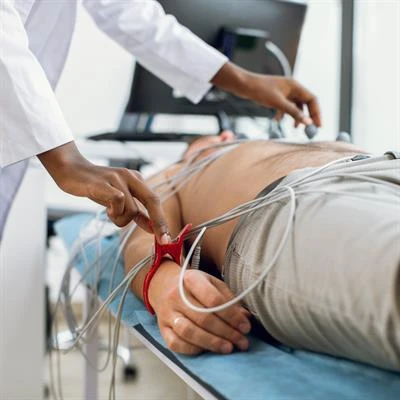
Cardiac Critical Care is a highly specialized branch of medicine dedicated to the rapid, life-saving management of patients suffering from severe, life-threatening heart conditions. When a patient’s heart is failing, experiencing a massive attack, or recovering from a high-stakes cardiovascular procedure, they are admitted to a dedicated Cardiac Intensive Care Unit (CICU or CCU). In this state-of-the-art environment, a multidisciplinary team of interventional cardiologists, cardiac intensivists, and highly trained specialized nurses provide 24/7 continuous monitoring and advanced life support. The goal of cardiac critical care is to rapidly stabilize the heart, support vital organ function, and provide the exact medical or mechanical interventions needed to guide the patient safely through a critical cardiovascular emergency.
1. Indications:
Admission to a Cardiac Critical Care unit is strictly reserved for patients who require continuous, intensive monitoring and immediate access to life-saving interventions. Common indications include:
- Massive heart attacks (Acute Myocardial Infarction), particularly those complicated by heart failure or shock
- Cardiogenic shock, where the heart is suddenly unable to pump enough blood to sustain the body’s organs
- Life-threatening irregular heartbeats (arrhythmias) such as ventricular tachycardia, ventricular fibrillation, or complete heart block
- Severe, acute decompensated heart failure requiring intravenous medications or mechanical support
- Post-resuscitation care following a sudden cardiac arrest, often involving targeted temperature management (therapeutic hypothermia) to protect the brain
- Immediate, specialized recovery following high-risk procedures like CHIP interventions, TAVR, or major open-heart surgery
- Patients requiring mechanical circulatory support devices (such as an IABP, Impella, or ECMO) to temporarily take over the pumping function of the heart
In these critical situations, immediate admission to the CICU is vital for survival and preventing irreversible organ damage.
2. Procedure:
In the Cardiac Critical Care unit, the patient is placed in a highly controlled, closely monitored environment. The nurse-to-patient ratio is exceptionally low—often one nurse to every one or two patients—ensuring immediate medical attention if any changes occur.
Patients are connected to advanced continuous telemetry systems that track their heart rate, rhythm, oxygen levels, and blood pressure second by second. To guide treatment precisely, doctors often use invasive hemodynamic monitoring. This involves placing small catheters into the arteries (arterial lines) or directly into the heart and pulmonary arteries (central venous lines or Swan-Ganz catheters) to continuously measure the exact pressures inside the heart chambers.
Depending on the severity of the illness, the critical care team may employ advanced life-support technologies. This can include mechanical ventilators to assist with breathing, temporary pacemakers to regulate the heart rate, continuous dialysis machines (CRRT) to support failing kidneys, and mechanical heart pumps to keep blood circulating. Treatments are continuously adjusted in real-time based on the patient’s exact physiological response.
3. Safety:
Cardiac Critical Care represents the highest level of medical safety and vigilance available in a hospital setting. The highly specialized staff is specifically trained to anticipate, instantly recognize, and rapidly treat any sudden complications.
While the CICU is a highly controlled environment designed to save lives, the patients admitted are inherently in critical condition. Risks are generally related to the severity of the underlying heart disease and the necessary invasive treatments, and may include:
- Hospital-acquired infections, as patients have multiple intravenous lines and catheters in place
- Bleeding or vascular injury at the insertion sites of specialized catheters and mechanical support devices
- ICU delirium, a temporary state of severe confusion and disorientation caused by extreme illness, medications, and the high-stress environment
- Muscle weakness from prolonged bed rest and immobility
- Complications related to prolonged mechanical ventilation or kidney support