

IABP & IMPELLA – FOR AN CARDIOGENIC SHOCK
Home > Services > IABP & IMPELLA – FOR AN CARDIOGENIC SHOCK
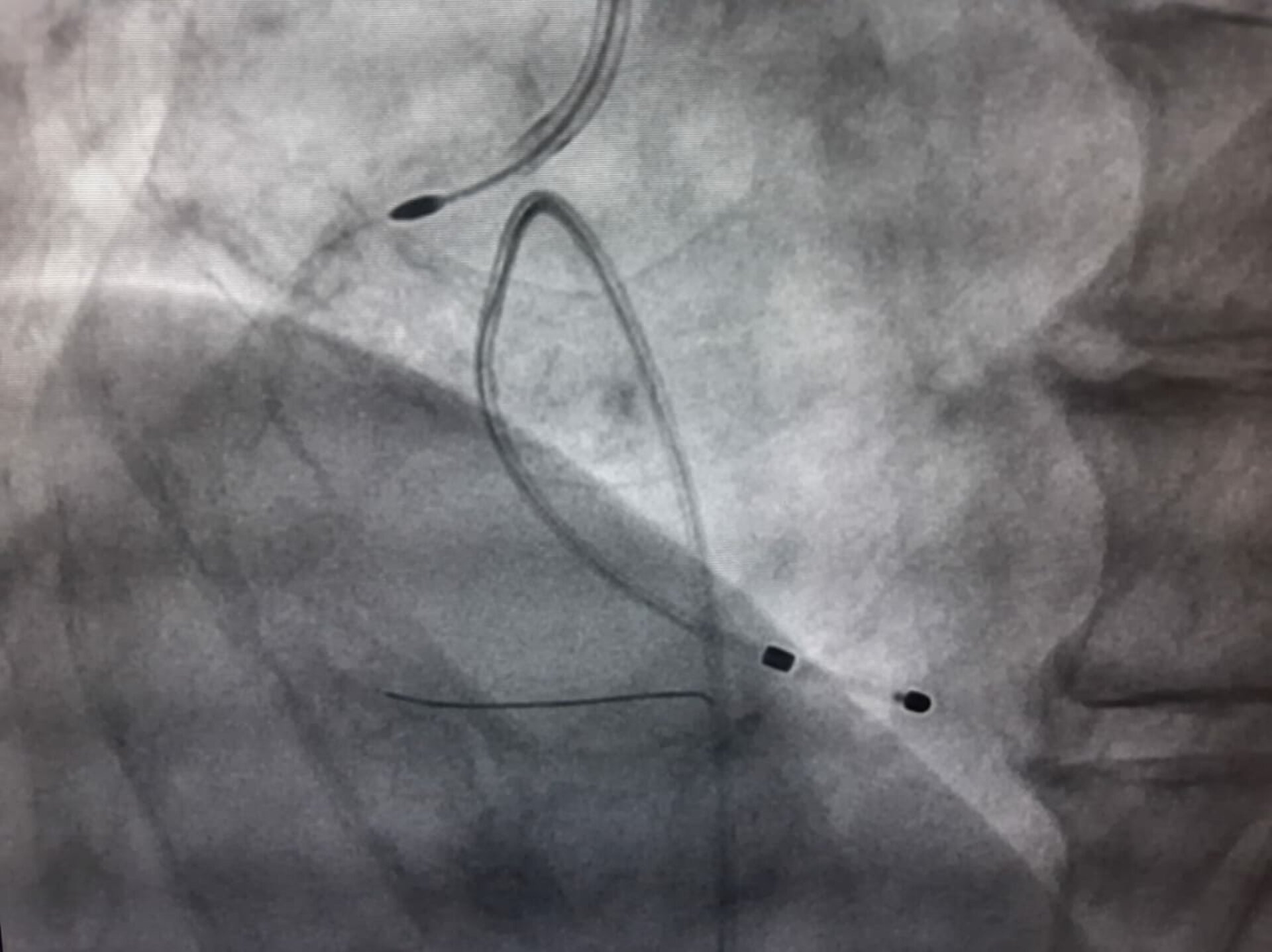
Cardiogenic shock is a critical, life-threatening emergency where the heart suddenly loses its ability to pump enough oxygen-rich blood to sustain the body’s vital organs. This devastating condition is most commonly triggered by a massive heart attack. When the heart is this weak, medications alone are often not enough to keep the patient alive. To rapidly restore blood pressure and save the patient’s life, interventional cardiologists utilize advanced percutaneous mechanical circulatory support devices like the Intra-Aortic Balloon Pump (IABP) and the Impella. These state-of-the-art, minimally invasive devices temporarily take over the mechanical work of pumping blood, giving the damaged heart muscle the crucial time it needs to rest, recover, and heal.
1. Indications:
The use of an IABP or Impella is reserved for critically ill patients whose hearts are failing and require immediate mechanical assistance to survive. Common indications include:
- Cardiogenic shock caused by an acute, massive heart attack (Myocardial Infarction)
- High-risk Percutaneous Coronary Intervention (PCI) or complex stenting in patients whose hearts are too weak to tolerate the stress of the procedure on their own
- Severe, acute heart failure or sudden decompensation of chronic heart failure
- Inflammation of the heart muscle (acute myocarditis) leading to a sudden drop in pumping function
- Inability to wean a patient off a cardiopulmonary bypass machine after open-heart surgery
- Providing a temporary “bridge to recovery” or a bridge to a permanent surgical heart pump (LVAD) or heart transplant
Rapid deployment of these devices in an emergency is critical to preventing permanent organ failure and saving the patient’s life.
2. Procedure:
These devices are implanted in a cardiac cath lab or intensive care unit (ICU) under local anesthesia. Access is typically gained through a small puncture in the femoral artery in the groin. Through this access point, a flexible catheter is guided up to the heart using X-ray imaging (fluoroscopy).
IABP (Intra-Aortic Balloon Pump): A specialized catheter with a long balloon at its tip is placed in the descending aorta. The balloon is connected to an external computer console that synchronizes with the patient’s heart rhythm. It rapidly inflates when the heart rests (forcing blood into the coronary arteries to feed the heart muscle) and deflates just before the heart pumps (creating a vacuum that makes it much easier for the weakened heart to push blood forward).
Impella: This is a miniature, powerful blood pump mounted on a catheter. It is carefully guided across the aortic valve directly into the left ventricle (the heart’s main pumping chamber). A tiny internal motor continuously pulls blood out of the failing ventricle and pushes it into the aorta, actively taking over the pumping function and pumping up to several liters of blood per minute.
Once placed, the patient is transferred to the Cardiac ICU, where the devices remain in place for hours or days while the heart recovers. Once the heart is strong enough to pump independently, the device is safely removed.
3. Safety:
IABP and Impella are highly advanced, life-saving interventions. Because they are used in patients who are already in critical, life-threatening condition, they require meticulous management by a specialized cardiovascular intensive care team. The patient’s heart rate, blood pressure, organ function, and device performance are monitored continuously 24/7.
While they are minimally invasive compared to emergency open-heart surgery, possible risks include:
- Bleeding, bruising, or a hematoma at the large catheter insertion site in the groin
- Limb ischemia (reduced blood flow to the leg where the device is inserted), requiring close monitoring of leg temperature and pulses
- Blood clot formation, requiring the use of continuous blood-thinning medications
- Destruction of red blood cells (hemolysis) caused by the mechanical pumping action
- Stroke or transient ischemic attack (TIA)
- Kidney injury due to poor baseline blood flow or contrast dye used during placement
- Vessel injury, tearing, or dissection during the insertion process