ACUTE LOWER LIMB ISCHEMIA
Home > Services > Acute Lower Limb Ischemia
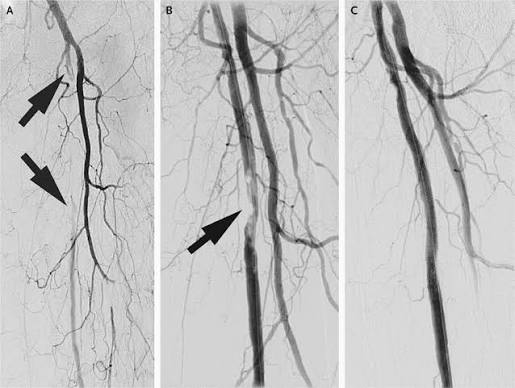
Acute Lower Limb Ischemia (ALI) is a severe medical emergency characterized by a sudden, rapid decrease in blood flow to a leg. Unlike chronic peripheral artery disease, which develops slowly over time, acute ischemia usually happens instantly—often because a blood clot from the heart has broken loose and traveled down the leg (an embolism), or because a clot has suddenly formed on top of existing plaque (thrombosis). When the limb is suddenly starved of oxygen-rich blood, the muscle and nerve tissues begin to die rapidly. The condition is classically identified by the “6 Ps”: Pain, Pallor (paleness), Pulselessness, Paresthesia (numbness/tingling), Paralysis (inability to move), and Poikilothermia (the limb feels perishingly cold). Because irreversible tissue death can occur within hours, immediate medical or surgical intervention is required to restore blood flow and save the leg from amputation.
1. Indications:
Intervention for acute lower limb ischemia is indicated immediately upon diagnosis to prevent irreversible muscle damage, nerve death, and limb loss. The urgency and type of treatment depend on the severity of the ischemia (often graded using the Rutherford classification):
- Viable Limb: The leg has poor blood flow but is not in immediate danger of tissue loss (no muscle weakness or severe sensory loss). This allows time for imaging and catheter-directed therapies.
- Marginally Threatened Limb: The leg has early signs of nerve damage (mild numbness in the toes) but can be saved with prompt intervention within hours.
- Immediately Threatened Limb: The leg has severe, constant resting pain, profound numbness, and muscle weakness. This requires emergency intervention (often surgical or rapid mechanical thrombectomy) to save the limb.
- Irreversible Ischemia: If treatment is delayed too long, the leg becomes rigid, permanently paralyzed, and completely devoid of sensation. At this stage, restoring blood flow is actually highly dangerous (due to toxic byproducts from dead muscle washing into the body), and amputation is unfortunately required to save the patient’s life.
2. Procedure:
Treatment for ALI is performed urgently in a specialized cath lab or operating room. The primary goal is to remove the clot and restore blood flow as fast as possible. Depending on the severity and location of the blockage, doctors use one or a combination of the following techniques:
- Catheter-Directed Thrombolysis (CDT): For viable or marginally threatened limbs, a thin catheter is navigated directly into the clot under X-ray guidance. A powerful clot-busting medication (like tPA) is slowly dripped into the blockage over 12 to 24 hours to dissolve it completely.
- Aspiration / Mechanical Thrombectomy: Using advanced, minimally invasive catheters, the doctor can physically vacuum or grind up the clot and suck it out of the artery in real-time, instantly restoring blood flow.
- Balloon Angioplasty and Stenting: Once the clot is removed, if the doctor discovers an underlying narrowing (plaque) in the artery that caused the clot to form, they will immediately inflate a balloon and place a permanent metal stent to keep the artery wide open.
- Surgical Embolectomy / Bypass: For immediately threatened limbs where catheter techniques are too slow or anatomically impossible, a vascular surgeon makes an incision, opens the artery, and physically pulls the clot out using a specialized balloon catheter (Fogarty catheter), or creates a surgical bypass around the blockage.
3. Safety:
While interventions for acute limb ischemia are life- and limb-saving, they are emergency procedures performed on critically compromised tissue, carrying significant risks. Patients are closely monitored in an Intensive Care Unit (ICU) following the procedure.
Possible complications include:
- Reperfusion Injury & Compartment Syndrome: When blood flow is suddenly restored to oxygen-starved muscle, the tissue can swell massively. Because the muscle is encased in a tight fibrous membrane (fascia), this swelling cuts off blood flow all over again. To save the leg, surgeons may need to immediately cut open the calf muscles (fasciotomy) to relieve the extreme pressure.
- Bleeding: If clot-busting drugs (thrombolytics) are used, there is a risk of severe bleeding at the catheter site, in the gastrointestinal tract, or, rarely, in the brain.
- Renal Failure: Dead muscle releases a toxic protein called myoglobin into the bloodstream (rhabdomyolysis), which can severely damage the kidneys. Aggressive IV fluids are given to flush the kidneys.
- Amputation: Despite best efforts, if the blood flow cannot be restored quickly enough, or if the microscopic blood vessels in the foot have already died, amputation may be the only safe option to prevent lethal infections.