Heart Block Treatment in Hyderabad
Home > Services > Heart Block Treatment in Hyderabad
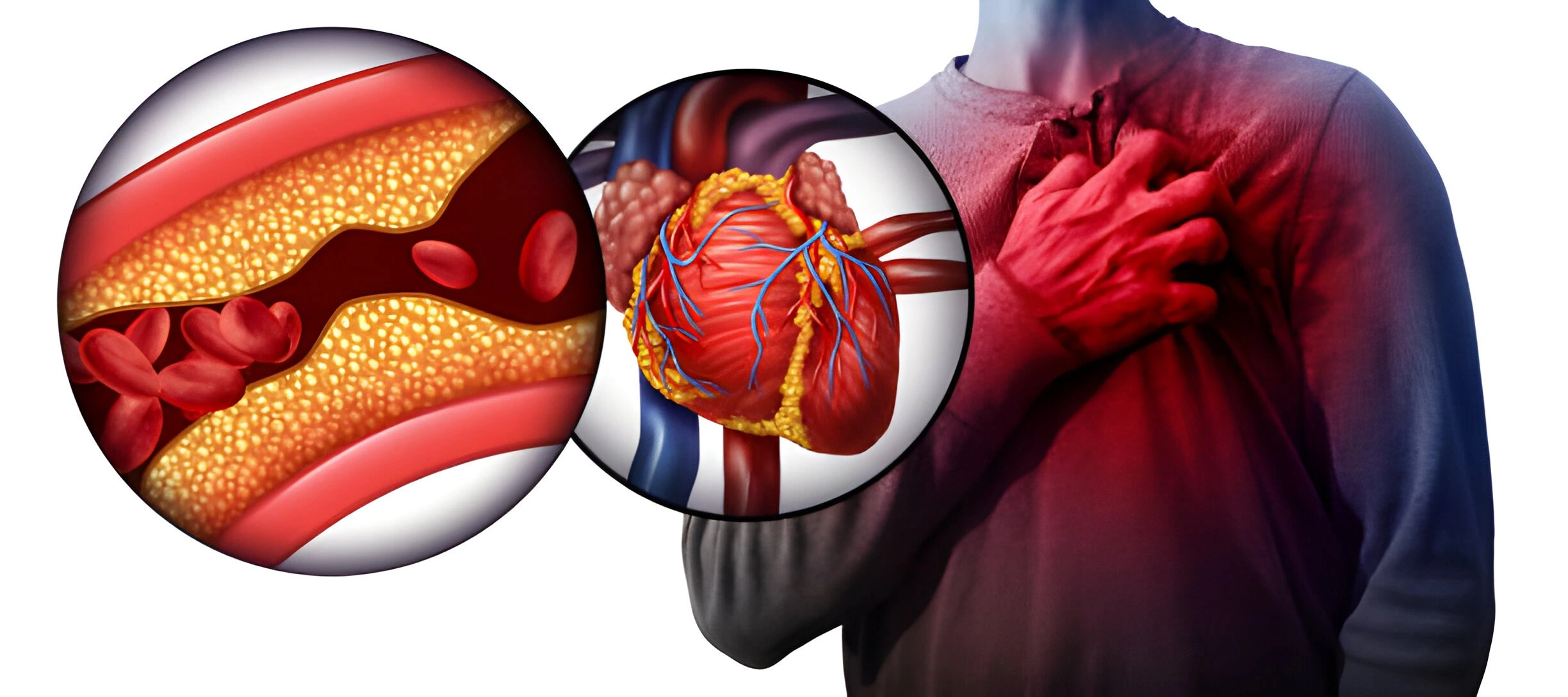
Heart block is a disorder of the heart’s electrical conduction system in which impulses are delayed or fail to travel normally from the upper chambers to the lower chambers. Depending on the type, the heartbeat may become unusually slow, pauses may occur, or some electrical signals may fail to reach the ventricles. Mild forms may cause no symptoms, while advanced heart block can lead to dizziness, fainting, breathlessness, fatigue, or reduced exercise tolerance.
In Hyderabad, heart block evaluation may be needed for recurrent dizziness, unexplained fainting, a persistently slow pulse, or an abnormal ECG. The condition is often evaluated alongside sinus node dysfunction, another important cause of slow heart rhythms. Although sinus node dysfunction and AV block are different electrical disorders, both can cause bradycardia and may require rhythm monitoring or pacemaker treatment in selected patients.
What Is Heart Block?
The normal heartbeat begins in the sinus node, the heart’s natural pacemaker in the right atrium. The electrical signal spreads through the atria, reaches the atrioventricular, or AV, node, and then travels through the specialized conduction system to the ventricles.
Heart block occurs when this signal is delayed or interrupted as it passes from the atria toward the ventricles. Some forms are relatively mild and need only observation, while others can produce very slow ventricular rates and require urgent treatment.
What Is Sinus Node Dysfunction?
Sinus node dysfunction is not technically an AV block, but it is an important cause of slow heart rate and is often assessed alongside conduction disease. The sinus node may produce impulses too slowly, pause for abnormal periods, or fail to increase the heart rate appropriately during activity. Some patients alternate between slow rhythms and episodes of fast atrial arrhythmia, a pattern called tachy-brady syndrome.
Age-related fibrosis of the sinus node and surrounding tissue is a common cause. Medicines that slow the heart, thyroid disorders, sleep apnea, electrolyte abnormalities, and other conditions can also contribute. Treatment depends on whether symptoms such as fatigue, dizziness, fainting, or exercise intolerance clearly correlate with the slow rhythm.
What Are the Different Types of AV Block?
First-degree AV block occurs when every electrical impulse reaches the ventricles but conduction through the AV system is slower than normal. It often causes no symptoms and may be found incidentally on an ECG.
Second-degree AV block means that some atrial impulses fail to reach the ventricles. In Mobitz type I, also called Wenckebach, conduction becomes progressively slower until one impulse is dropped. Some people have no symptoms, while others may experience lightheadedness or weakness.
Mobitz type II is more concerning because electrical impulses can suddenly fail to conduct without the gradual pattern seen in Mobitz I. It may progress to more advanced block and often requires pacemaker treatment when there is no reversible cause.
Third-degree AV block, also called complete heart block, occurs when no atrial impulses conduct normally to the ventricles. The upper and lower chambers then beat independently, with the ventricles relying on a slower backup rhythm. Complete heart block can cause marked bradycardia, dizziness, fainting, breathlessness, low blood pressure, and serious complications.
What Causes Heart Block?
Heart block can develop because of age-related degeneration and fibrosis of the conduction system. Coronary artery disease, heart attack, cardiomyopathy, myocarditis, congenital heart disease, and complications after certain cardiac procedures or surgery can also affect electrical conduction.
Some medicines can worsen bradycardia in susceptible patients. Electrolyte abnormalities, thyroid disease, and other metabolic conditions may also contribute. Sleep apnea is associated with nighttime bradycardia, and treating the sleep disorder can reduce some nocturnal rhythm disturbances.
Because some causes are reversible, identifying the underlying problem is important before deciding whether permanent pacing is required.
What Symptoms Can Heart Block Cause?
Symptoms depend on how slowly the heart beats and whether enough blood is reaching the brain and other organs. Mild conduction delay may cause no symptoms. More significant heart block can lead to fatigue, weakness, dizziness, lightheadedness, near-fainting, fainting, breathlessness, reduced exercise capacity, or chest discomfort.
Some patients notice they cannot walk or climb stairs as easily because the heart rate does not rise appropriately with activity. Others may experience sudden fainting. Symptoms can be intermittent, which is why a short clinic ECG may not always capture the problem.
When Is Heart Block an Emergency?
Urgent medical assessment is needed when a very slow heartbeat is associated with fainting, severe dizziness, chest pain, severe breathlessness, confusion, low blood pressure, or marked weakness. Complete heart block or high-grade AV block can sometimes cause unstable circulation and may require temporary pacing before a permanent treatment plan is decided.
A person who becomes unresponsive and is not breathing normally requires immediate emergency response and CPR.
How Is Heart Block Diagnosed?
A 12-lead ECG is one of the most important tests because it can show the relationship between atrial and ventricular electrical activity and help identify the type of AV block. If symptoms are intermittent, however, the ECG may be normal between episodes.
Holter Monitoring can record the rhythm continuously for 24 hours or longer and may capture pauses, intermittent heart block, or slow rhythms during symptoms. Longer patch monitoring, event monitoring, or an implantable loop recorder may be considered when episodes occur less frequently.
A 2D Echocardiogram may be advised to assess heart structure, pumping function, valve disease, or cardiomyopathy. Blood tests may help identify thyroid abnormalities, electrolyte disturbances, or other reversible causes.
How Is Heart Block Treated?
Treatment depends on the type of block, symptoms, underlying cause, and whether the problem is temporary or permanent. Mild first-degree AV block or some cases of Mobitz I may require observation rather than a procedure, especially when there are no symptoms.
If a medicine is contributing to clinically important bradycardia, the treatment plan may need adjustment under medical supervision. Electrolyte, thyroid, infection-related, or other reversible causes should also be treated where possible.
Permanent pacemaker implantation is generally recommended for acquired Mobitz type II, high-grade AV block, or third-degree AV block when there is no reversible or physiologic cause. In sinus node dysfunction, there is no single heart-rate number or pause duration that automatically determines the need for pacing; correlation between symptoms and bradycardia is especially important.
What Is a Pacemaker?
A pacemaker is a small implanted device that monitors the heartbeat and delivers electrical impulses when the heart rate becomes too slow or conduction fails. Traditional pacemakers usually have a pulse generator placed under the skin and one or more leads connecting the device to the heart. Selected patients may also be suitable for leadless pacemaker technology.
The type of pacemaker depends on the rhythm disorder, heart function, expected amount of pacing, and other clinical factors. After implantation, periodic device checks are needed to assess battery status, pacing function, and stored rhythm information.
Frequently Asked Questions:-
Is heart block the same as blocked coronary arteries?
No. Heart block is an electrical conduction problem. Blocked coronary arteries involve narrowing or obstruction of the blood vessels supplying the heart muscle. They are different conditions, although a heart attack can sometimes damage the conduction system and cause heart block.
Can heart block come and go?
Yes. Some conduction abnormalities are intermittent. A patient may have a normal ECG between episodes, which is why Holter Monitoring or longer rhythm monitoring may be needed.
Does every heart block require a pacemaker?
No. Some mild forms can be observed, and reversible causes may improve after treatment. Pacemaker decisions depend on the type of block, symptoms, and overall clinical situation.
Is complete heart block serious?
Yes. Complete heart block can produce a very slow backup rhythm and may lead to fainting, low blood pressure, heart failure, or other complications. It requires prompt cardiac assessment.
Can medicines cause a slow heartbeat or heart block?
Yes. Certain medicines can slow the sinus node or AV conduction. Medicines should not be stopped without medical advice; the treating doctor should review them if bradycardia develops.
Can a pacemaker cure heart block?
A pacemaker does not remove the underlying conduction disease, but it can prevent the heart rate from becoming dangerously slow and can effectively treat symptoms caused by significant bradycardia or AV block.
Heart Block Treatment in Hyderabad
If you have recurrent dizziness, unexplained fainting, a persistently slow pulse, unusual fatigue, reduced exercise tolerance, or an ECG showing AV block, cardiac evaluation can help determine the type and severity of the conduction disorder.
Dr. Kiran Lakkireddy’s cardiac practice in Hyderabad provides evaluation of heart block and slow heart-rate disorders using ECG, Holter Monitoring, echocardiography, and longer rhythm monitoring when appropriate. Treatment may include correction of reversible causes, observation, medicine adjustment, or pacemaker implantation depending on the diagnosis. Fainting, severe breathlessness, chest pain, or significant weakness associated with a very slow heartbeat requires urgent medical assessment.