

TRICUSPID VALVE IMPLANTATION
Home > Services > Tricuspid Valve Implantation
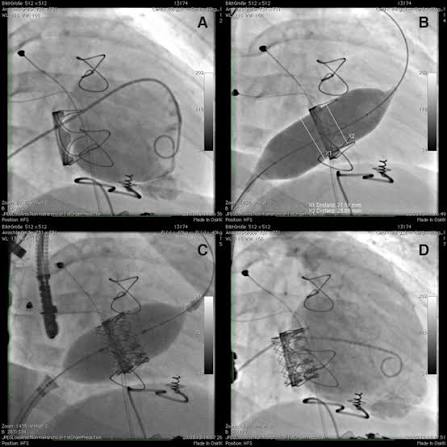
Transcatheter Tricuspid Valve Implantation (TTVI), also known as Transcatheter Tricuspid Valve Replacement (TTVR), is a cutting-edge, minimally invasive procedure designed to replace a diseased tricuspid valve without the need for open-heart surgery. The tricuspid valve sits between the two right chambers of the heart, regulating blood flow from the body into the lungs. When this valve fails to close tightly a condition called tricuspid regurgitation (TR) blood leaks backward into the venous system. This causes massive fluid buildup (edema) in the legs and abdomen, severe fatigue, liver damage, and debilitating right-sided heart failure. Using a specialized catheter, an interventional cardiologist delivers a fully functional, collapsible replacement valve directly into the heart, instantly stopping the leak, restoring normal one-way blood flow, and dramatically improving the patient’s quality of life.
1. Indications:
Historically known as the “forgotten valve,” the tricuspid valve is now highly treatable with transcatheter technology. TTVI is specifically recommended for patients whose quality of life is severely impacted by a leaky valve. Common indications include:
- Severe Symptomatic Tricuspid Regurgitation (TR): Patients experiencing extreme fatigue, shortness of breath, and massive fluid retention in the legs, liver, and abdomen.
- High-Risk Surgical Patients: Individuals who are considered too frail, elderly, or have too many co-existing medical conditions to safely survive traditional open-heart tricuspid valve surgery.
- Medical Therapy Failure: Right-sided heart failure and severe swelling that no longer improve despite taking maximum doses of diuretic medications (water pills).
- Valve-in-Valve Procedures: Patients who previously had a biological tricuspid valve surgically implanted that is now degenerating and failing, allowing doctors to place a new transcatheter valve directly inside the old one.
2. Procedure:
A TTVI procedure is performed in an advanced hybrid operating room or cardiac cath lab. It is typically done under general anesthesia, ensuring you are completely asleep and still, as the procedure requires extreme precision.
A small puncture is made in a major vein, usually the femoral vein in the groin. Through this tiny access point, a thin, flexible delivery catheter is gently navigated up into the right atrium of the heart. Because the tricuspid valve is highly complex, the doctor relies heavily on continuous X-ray imaging (fluoroscopy) and an advanced internal ultrasound (Transesophageal Echocardiogram, or TEE) to precisely map the anatomy in 3D.
The new valve usually made of specialized animal tissue (bovine or porcine) supported by a flexible metal frame is crimped tightly onto the catheter. Once navigated perfectly inside the native, leaky tricuspid valve, the new valve is deployed. As it expands, it anchors itself securely against the old valve’s tissue. The new leaflets begin working instantly, opening and closing to block the backward flow of blood. The delivery catheter is then completely removed. The procedure typically takes 2 to 3 hours, and patients usually experience a rapid reduction in their heart failure symptoms.
3. Safety:
Transcatheter Tricuspid Valve Implantation is a revolutionary advancement that entirely avoids cracking the chest or stopping the heart on a bypass machine, offering a significantly faster and less painful recovery than open-heart surgery.
While minimally invasive, treating the right side of the heart is complex, and patients are closely monitored in the hospital for a few days post-procedure. Possible risks include:
- Need for a Permanent Pacemaker: The heart’s electrical conduction system runs immediately next to the tricuspid valve. The pressure of the new expanding valve can disrupt these electrical signals (heart block), occasionally requiring a permanent pacemaker.
- Bleeding, bruising, or a hematoma at the catheter insertion site in the groin.
- Paravalvular Leak (PVL): A small amount of blood leaking around the outside edges of the newly implanted valve frame.
- Right Ventricular Failure: As the leaky valve is suddenly fixed, the right ventricle must suddenly pump blood forward against normal resistance, which can temporarily stress the heart muscle.
- Injury or tearing of the delicate blood vessels or heart tissue during catheter navigation.