

PROXIMAL ILIOFEMORAL DVT
Home > Services > Proximal Iliofemoral DVT
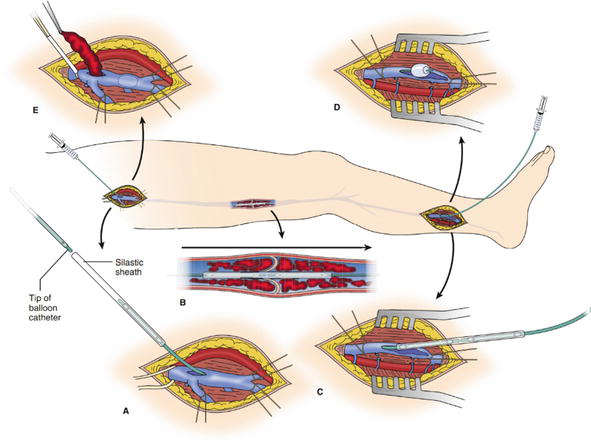
A proximal iliofemoral Deep Vein Thrombosis (DVT) is a severe and highly dangerous type of blood clot that forms in the large, deep veins of the pelvis (iliac vein) and the upper thigh (common femoral vein). Because these veins are the main drainage pathways for the entire lower half of the body, a blockage here is much more critical than a clot in the lower calf. An iliofemoral DVT causes massive, painful swelling of the entire leg and carries a significantly higher risk of a massive piece breaking off and traveling to the lungs (a Pulmonary Embolism). Furthermore, if the clot is not rapidly cleared, it permanently destroys the delicate one-way valves inside the vein, leading to a lifelong, debilitating condition called Post-Thrombotic Syndrome (PTS), which causes chronic leg pain, swelling, and skin ulcers.
1. Indications:
While standard blood thinners (anticoagulants) are the first-line treatment to prevent the clot from growing, interventional procedures to actively remove the clot are highly recommended for severe proximal iliofemoral DVT. Common indications for aggressive clot removal include:
- Phlegmasia Cerulea Dolens: A critical, limb-threatening emergency where the clot is so massive that it completely cuts off all blood flow, causing the leg to turn blue, swell severely, and become incredibly painful.
- Severe Symptoms: Massive leg swelling and debilitating pain that do not improve rapidly with standard blood thinners.
- May-Thurner Syndrome: A structural condition where the right iliac artery permanently compresses the left iliac vein against the spine, causing blood to pool and clot. This requires removing the clot and stenting the crushed vein open.
- Young, Active Patients: To aggressively prevent the onset of Post-Thrombotic Syndrome (PTS) and preserve the long-term function of the leg veins.
- Failure of Anticoagulation: The clot continues to grow despite the patient being on adequate doses of blood-thinning medication.
2. Procedure:
Interventional treatments for an iliofemoral DVT are performed in a specialized cath lab or interventional radiology suite under local anesthesia and conscious sedation. The goal is to safely extract the clot and repair any underlying narrowing in the vein.
A small puncture is made in a vein, typically behind the knee (popliteal vein) or lower in the leg. Through this access point, a thin, flexible catheter is navigated up to the blockage using X-ray imaging (fluoroscopy) and ultrasound.
To clear the clot, the specialist will typically use one or a combination of two advanced techniques:
- Catheter-Directed Thrombolysis (CDT): A specialized catheter with microscopic holes is embedded inside the clot. A powerful clot-busting medication (like tPA) is continuously dripped directly into the blockage over 12 to 24 hours while the patient is monitored in the ICU.
- Mechanical Thrombectomy: Using a specialized device, the doctor physically grinds up or vacuums the clot out of the vein in a single, real-time procedure, instantly restoring blood flow.
Once the vein is cleared of the clot, the doctor will inject contrast dye to look for any underlying compression (such as May-Thurner syndrome) or scar tissue. If a narrowing is found, they will perform a balloon angioplasty to stretch the vein and implant a permanent metal stent to hold the large pelvic vein wide open, preventing future clots.
3. Safety:
Catheter-based clot removal is highly effective at saving limbs and preventing chronic, lifelong leg disability. However, because it involves manipulating a large clot and often using powerful medications, patients are closely monitored.
Possible risks include:
- Bleeding: The most significant risk, especially when clot-busting medications (thrombolytics) are used. Bleeding can occur at the catheter insertion site, or more rarely, internally (gastrointestinal or intracranial).
- Pulmonary Embolism (PE): A rare risk where a piece of the clot breaks off during the mechanical vacuuming or dissolving process and travels to the lungs. (If a patient is at extremely high risk for this, the doctor may temporarily place an IVC filter before starting the procedure).
- Kidney Strain: A temporary decline in kidney function caused by the contrast dye used for X-ray mapping (preventative IV fluids are strictly administered).
- Stent Thrombosis: If a stent is placed to hold the vein open, there is a risk that a new clot could form inside the metal mesh, which requires strict adherence to prescribed blood thinners after the procedure.