
PERIPHERAL BALLOON AND ANGIOPLASTY
Home > Services > Peripheral Balloon and Angioplasty
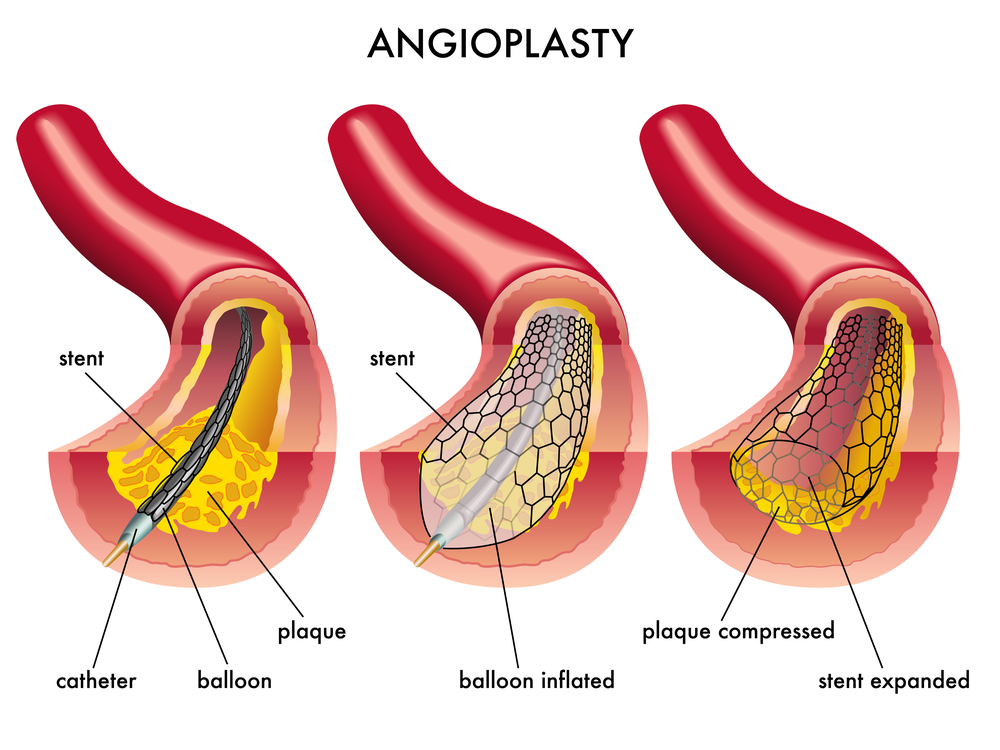
Peripheral balloon angioplasty is a minimally invasive, catheter-based procedure used to open narrowed or blocked arteries outside of the heart, most commonly in the legs. Over time, hardened cholesterol plaque can build up inside these blood vessels—a condition known as Peripheral Artery Disease (PAD). This restricts vital blood flow, leading to severe leg pain, cramping, limited mobility, and dangerous non-healing wounds. During this procedure, a specialized catheter with a tiny, incredibly strong balloon at its tip is navigated to the blockage. When inflated, the balloon forcefully compresses the hardened plaque against the artery walls, rapidly widening the vessel and restoring healthy, oxygen-rich blood circulation to the limbs without the need for major bypass surgery.
1. Indications:
Peripheral balloon angioplasty is recommended for patients suffering from significant peripheral artery disease that limits their daily life or threatens limb health. Common indications include:
Leg pain, cramping, tightness, or heaviness while walking that improves with rest (intermittent claudication)
Severe pain in the feet or toes while resting, particularly at night
Non-healing wounds, diabetic foot ulcers, or sores on the lower legs and feet
Critical limb ischemia (a severe, advanced blockage that threatens the survival of the limb)
Weak or completely absent pulses in the legs or feet
Coldness, numbness, or noticeable skin color changes in the lower extremities
Abnormal diagnostic tests, such as a severely reduced Ankle-Brachial Index (ABI) or a blocked artery seen on a peripheral angiogram
Early intervention quickly relieves debilitating pain, helps wounds heal, and dramatically reduces the risk of amputation.
2. Procedure:
A peripheral balloon angioplasty is performed in an advanced cath lab under local anesthesia with strict sterile precautions. You will remain awake and comfortable throughout the process. A small puncture is made in an artery, usually in the groin (femoral artery) or sometimes the wrist or foot, depending on the location of the blockage.
Through this small access point, a thin, flexible catheter is gently navigated to the narrowed artery using continuous X-ray imaging (fluoroscopy) and contrast dye. Once the catheter reaches the blockage, a microscopic guidewire is carefully passed through the narrowed space.
A specialized catheter fitted with a deflated balloon is advanced over the wire and positioned exactly across the plaque. The doctor firmly inflates the balloon for a few seconds to a few minutes. The powerful outward pressure stretches the artery and crushes the plaque flat against the vessel wall.
In many modern procedures, the doctor may use a specialized “Drug-Coated Balloon” (DCB) which delivers medication directly into the artery wall to prevent the plaque from growing back. Once the artery is widened, the balloon is deflated and completely removed. The procedure takes about 1 to 2 hours, and patients are typically walking the same day and discharged shortly after.
3. Safety:
Peripheral balloon angioplasty is a highly routine, safe, and effective procedure when performed by an experienced interventional specialist. Because it completely avoids a large surgical incision and general anesthesia, the recovery is incredibly fast with minimal discomfort.
Continuous, rigorous monitoring of your vital signs is maintained throughout the procedure. While complications are uncommon, possible risks include:
- Bleeding, bruising, or a hematoma at the catheter insertion site (groin or wrist)
- Injury, tearing, or dissection of the treated artery, which may require the placement of a metal stent to repair and hold the artery open
- Temporary decline in kidney function due to the contrast dye used for X-ray imaging (preventative IV fluids are given to protect the kidneys)
- Allergic reaction to the contrast dye
- A small piece of plaque or blood clot breaking loose and traveling further down the leg (embolization), which the doctor can usually remove during the same procedure
- Re-narrowing of the artery over time (restenosis)