

CHRONIC TOTAL AND OCCLUSION STENTING
Home > Services > Chronic Total Occlusion (CTO) stenting
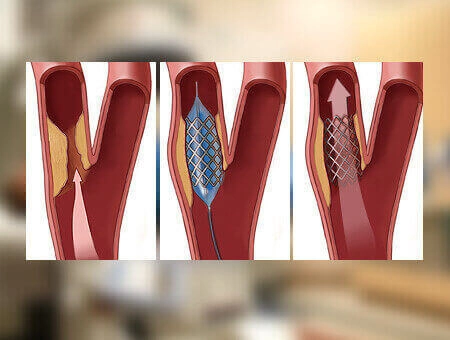
A Chronic Total Occlusion (CTO) is a complete, 100% blockage in a coronary artery that has been present for three months or longer. Because the plaque in a CTO is heavily calcified and completely seals the artery, it was historically considered too difficult to open with stents. For years, patients were left with open-heart bypass surgery or heavy medication as their only options. Today, highly specialized interventional cardiologists use advanced micro-catheters and innovative techniques to safely cross these hardened blockages, placing drug-coated stents to restore full blood flow, relieve debilitating symptoms, and significantly improve quality of life without the need for an open-chest surgery.
1. Indications:
CTO stenting is an advanced, life-enhancing procedure recommended for patients suffering from long-standing, completely blocked arteries. Common indications include:
- Confirmed 100% blockage in a coronary artery that has been present for at least 3 months
- Severe, chronic chest pain (angina), heaviness, or tightness that limits daily life despite maximal medication
- Significant shortness of breath, fatigue, or lack of stamina during normal physical activities
- Reduced heart pumping function, where restoring blood flow can help “wake up” hibernating heart muscle
- Patients who are considered high-risk candidates for traditional open-heart bypass surgery (CABG)
- Patients who have had previous bypass surgery where the surgical grafts have naturally failed over time
- Patients seeking a minimally invasive alternative to open-heart surgery
Successfully opening a CTO can dramatically reduce chest pain, improve exercise capacity, and reduce the need for daily anti-angina medications.
2. Procedure:
CTO stenting is a highly complex procedure performed in a state-of-the-art cath lab. Because it takes longer than standard stenting, you will be given local anesthesia and comfortable sedation to keep you relaxed. To get a complete view of the heart’s circulation, the doctor often requires “dual access” making small punctures in both wrists, both groins, or one of each.
Through these access points, flexible catheters are guided to the heart. The body naturally tries to bypass a completely blocked artery by growing tiny backup blood vessels (collaterals). The cardiologist uses continuous X-ray imaging and specialized contrast dye injections from both sides to map the blockage precisely.
To cross the hardened, concrete-like plaque, the specialist uses microscopic, highly engineered guidewires. They may approach the blockage from the front (antegrade approach) or navigate backward through the tiny backup blood vessels to attack the blockage from the rear (retrograde approach). Once the specialized wire successfully crosses the blockage, balloons are used to crush the hard plaque, and multiple advanced drug-eluting stents are meticulously placed to permanently open the artery. Due to its complexity, a CTO procedure typically takes 2 to 4 hours to complete safely.
3. Safety:
CTO stenting is safe and highly successful when performed by a dedicated expert interventional cardiologist with specialized training in chronic total occlusions. Continuous, rigorous monitoring of your vital signs, heart rhythm, and oxygen levels is strictly maintained throughout the prolonged procedure.
Because opening a 100% blockage is technically demanding and takes longer than simple stenting, the risks are slightly higher but carefully managed. Possible but uncommon risks include:
- Bleeding, bruising, or a hematoma at the multiple catheter insertion sites
- Temporary decline in kidney function due to the larger volume of contrast dye required (IV fluids are given to protect the kidneys)
- Injury, tearing, or perforation of the coronary artery or tiny collateral vessels
- Allergic reaction to the contrast dye
- Radiation skin exposure (due to the longer use of X-ray imaging)
- Blood clot formation within the new stents
- A rare need for emergency bypass surgery if the artery is injured or cannot be stented