

MESENTERIC AND ARTERY STENTING
Home > Services > Mesenteric and Artery Stenting
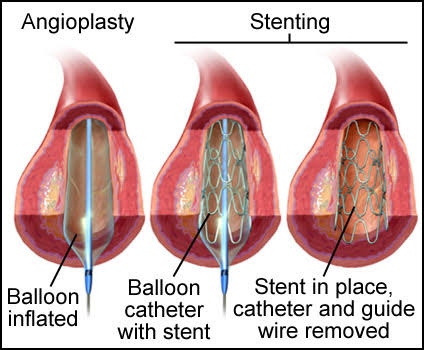
Mesenteric and artery stenting is a highly specialized, minimally invasive procedure used to treat chronic mesenteric ischemia—a serious condition where cholesterol plaque severely blocks the arteries that supply blood to your intestines. When these vital arteries narrow, your digestive system cannot get the oxygen-rich blood it needs to process food. This causes intense, debilitating abdominal pain shortly after eating, often leading to a fear of food and severe, unexplained weight loss. During this procedure, an interventional cardiologist safely navigates a tiny catheter to the blockage, inflates a balloon to crush the plaque, and implants a permanent metal mesh tube (stent). This stent acts as a sturdy scaffold, holding the artery wide open to instantly restore healthy blood flow to your digestive tract, relieving pain and preventing life-threatening bowel tissue death without the need for major open surgery.
1. Indications:
Mesenteric and artery stenting is recommended for patients suffering from severe blockages in the vessels feeding the intestines (such as the superior mesenteric artery or celiac artery). Common indications include:
- Severe, cramping abdominal pain that begins 15 to 30 minutes after eating and lasts for an hour or more (often called “intestinal angina”)
- Significant, unexplained weight loss driven by a fear of eating to avoid the associated pain
- Diagnosis of chronic mesenteric ischemia confirmed by a Doppler ultrasound, CT angiogram, or MR angiogram
- Prevention of acute mesenteric ischemia, a critical emergency where the bowel begins to die from a total lack of blood flow
- Patients who are considered too high-risk, elderly, or frail for traditional, open abdominal bypass surgery
Restoring blood flow with a stent quickly eliminates the pain associated with eating, allowing patients to regain lost weight and dramatically improve their quality of life.
2. Procedure:
A mesenteric stenting procedure is performed in an advanced cardiac or vascular cath lab under local anesthesia with mild sedation. You will remain awake but completely comfortable and relaxed. A small puncture is made in an artery, typically in the groin (femoral artery) or sometimes in the wrist or arm.
Through this tiny access point, a thin, flexible catheter is gently navigated to the blocked intestinal artery using continuous X-ray imaging (fluoroscopy). Contrast dye is injected to precisely map the narrowing. A microscopic guidewire is then carefully threaded exactly through the tight blockage.
A tiny, deflated balloon is advanced over the wire and firmly inflated to stretch the artery and compress the hardened plaque. Next, a compressed metal stent is moved into position and expanded. The stent locks firmly into place against the artery walls, keeping the vessel wide open. The delivery balloon and catheters are then completely removed, leaving only the permanent stent behind. The procedure typically takes 1 to 2 hours, and most patients notice an immediate relief of abdominal pain during their next meal.
3. Safety:
Mesenteric stenting is a safe, highly effective, and life-saving procedure when performed by a skilled interventional specialist. It avoids a massive abdominal incision and prolonged hospital stay, offering a much faster and less painful recovery compared to open surgery.
Continuous monitoring of your vital signs is maintained throughout the procedure. While complications are uncommon, possible risks include:
- Bleeding, bruising, or a hematoma at the catheter insertion site (groin or wrist)
- Temporary decline in kidney function due to the contrast dye used for X-ray imaging (preventative IV fluids are administered to protect the kidneys)
- Injury, tearing, or dissection of the delicate mesenteric artery, which can usually be repaired immediately with an additional stent
- A small piece of plaque or blood clot breaking loose and traveling deeper into the bowel (embolization)
- Allergic reaction to the contrast dye
- Re-narrowing of the stented artery over time (restenosis), which may require a repeat balloon procedure