Heart Attack Treatment in Hyderabad
Home > Services >
Heart Attack Treatment in Hyderabad
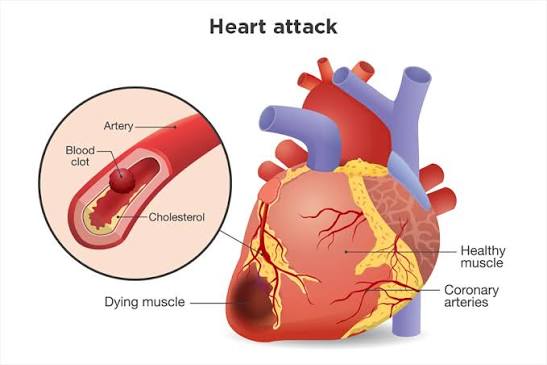
A heart attack, medically called myocardial infarction, happens when blood flow to part of the heart muscle becomes severely reduced or blocked. Without enough oxygen-rich blood, heart muscle begins to become injured. Most heart attacks are related to coronary artery disease, in which cholesterol-rich plaque builds up inside the coronary arteries over time. A heart attack often occurs when one of these plaques suddenly ruptures and a blood clot forms, sharply reducing or stopping blood flow.
In Hyderabad, anyone with possible heart attack symptoms needs emergency medical assessment rather than a routine appointment. Early diagnosis and restoration of blood flow can limit heart damage and improve recovery.
What Causes a Heart Attack?
The coronary arteries supply oxygen-rich blood to the heart muscle. Atherosclerosis develops gradually when cholesterol and other substances accumulate within the artery wall and form plaque. This process may narrow an artery for years without causing obvious symptoms. If a plaque becomes unstable and breaks open, the body may form a blood clot that partially or completely blocks the artery and triggers a heart attack.
Coronary artery narrowing creates the background for many heart attacks, but sudden plaque rupture and clot formation are often what turn stable disease into an emergency.
Less common causes include severe coronary artery spasm and spontaneous coronary artery dissection, in which a tear develops within the wall of a coronary artery.
What Are the Warning Signs?
The most common warning symptom is discomfort in the centre or left side of the chest. It may feel like pressure, heaviness, squeezing, tightness, burning, or aching rather than a sharp pain. The discomfort may spread to one or both arms, the shoulders, back, neck, jaw, or upper abdomen.
Shortness of breath, cold sweating, nausea, unusual fatigue, dizziness, or sudden weakness can also occur. Some people, particularly older adults, people with diabetes, and some women, may have less typical symptoms and may not experience severe chest pain.
Symptoms may begin suddenly or build gradually. New chest pressure that persists, recurs, or occurs with breathlessness or sweating should not be ignored.
When Is a Heart Attack an Emergency?
A suspected heart attack is always a medical emergency. If someone develops new or unexplained chest pressure, severe chest discomfort, breathlessness, fainting, cold sweating, or pain spreading to the arm, jaw, back, or shoulder, emergency medical help should be sought immediately.
Do not wait at home to see whether symptoms disappear. If the person becomes unresponsive and is not breathing normally, emergency response and CPR may be required. Fast treatment matters because longer blockage can mean greater heart muscle injury.
STEMI and NSTEMI: What Is the Difference?
Doctors commonly classify acute heart attacks as STEMI or NSTEMI based on ECG findings, blood tests, and other clinical information. A STEMI, or ST-elevation myocardial infarction, usually reflects an acute coronary blockage that requires urgent restoration of blood flow, most often with primary angioplasty when it is available promptly.
NSTEMI stands for non-ST-elevation myocardial infarction. In NSTEMI, the ECG does not show the same ST-elevation pattern, but blood tests show heart muscle injury. Some patients have a partial blockage, while others can still have severe coronary obstruction.
Both are serious forms of acute coronary syndrome. The urgency and timing of angiography depend on the type of heart attack, symptoms, ECG, blood pressure, heart function, and overall risk.
How Is a Heart Attack Diagnosed?
An ECG is one of the first tests performed because it can show electrical changes and help determine whether immediate invasive treatment is required. ECG findings can change over time, so repeat recordings may sometimes be needed.
Blood tests measure cardiac troponin, a protein released when heart muscle is injured. A rising or falling troponin pattern, interpreted together with symptoms and ECG findings, helps confirm myocardial infarction.
A 2D Echocardiogram may be used to assess pumping function, wall-motion abnormalities, valve function, and complications. Coronary angiography provides direct images of the coronary arteries and can identify the artery responsible for the heart attack. When appropriate, treatment can proceed during the same procedure.
How Is a Heart Attack Treated?
The central goal is to restore blood flow to the affected heart muscle as quickly and safely as possible while preventing further clot formation and managing complications.
Medicines may include antiplatelet drugs, anticoagulants, cholesterol-lowering therapy, and other cardiac medicines depending on blood pressure, heart function, rhythm, bleeding risk, and other conditions. Medication choices are individualized.
For many STEMI patients, primary percutaneous coronary intervention, commonly called coronary angioplasty or PCI, is the preferred method of restoring blood flow when it can be performed promptly. A catheter is guided to the blocked coronary artery, a balloon is used to open the narrowed segment, and a stent is usually placed to help keep the artery open.
If timely PCI is not available in an appropriate STEMI patient, clot-dissolving medication may sometimes be considered according to emergency protocols. Some patients with complex coronary disease may require coronary artery bypass graft surgery.
What Happens During Emergency Angioplasty?
During coronary angiography, a thin catheter is usually introduced through an artery in the wrist or groin and guided toward the heart. Contrast is injected so the coronary arteries can be seen on X-ray imaging. Once the blocked artery is identified, a fine guidewire is passed across the blockage.
A small balloon may then be inflated to restore the channel. A coronary stent, commonly a drug-eluting stent, is positioned at the narrowed area to help keep the artery open. The technique depends on the location and complexity of the blockage.
Restoring blood flow can reduce ongoing heart muscle injury, but angioplasty is only one part of treatment. Medicines and long-term risk-factor management remain essential afterward.
What Happens After a Heart Attack?
After the emergency has been treated, doctors assess how much heart muscle was affected and whether complications have developed. ECG monitoring helps detect rhythm problems, and echocardiography can assess ejection fraction and wall motion.
Patients are usually prescribed medicines to reduce the risk of another heart attack and protect the heart. Depending on the individual situation, these may include antiplatelet therapy, statins, beta blockers, medicines that support heart function, and treatment for diabetes or high blood pressure.
Cardiac rehabilitation is an important part of recovery. It combines supervised exercise, education, risk-factor control, medication adherence, nutrition advice, and support for a gradual return to normal activities.
Can Another Heart Attack Be Prevented?
A previous heart attack means cardiovascular risk remains elevated, so secondary prevention is essential. Smoking should be stopped, cholesterol and blood pressure should be controlled, diabetes should be managed carefully, and prescribed medicines should be taken consistently.
Physical activity should be restarted according to the cardiologist’s advice and ideally through cardiac rehabilitation. A heart-healthy eating pattern, healthy body weight, good sleep, and regular follow-up also support long-term recovery.
Patients who have received a coronary stent should never stop prescribed antiplatelet medicines on their own because premature discontinuation can increase the risk of a clot forming inside the stent.
Frequently Asked Questions:-
Is every heart attack caused by a 100% blockage?
No. A heart attack can result from complete or partial coronary obstruction. The type and severity are determined using ECG, troponin testing, angiography, and the clinical picture.
Is heart attack the same as cardiac arrest?
No. A heart attack is mainly a blood-flow problem affecting the heart muscle. Cardiac arrest is an electrical failure in which the heart suddenly stops pumping effectively. A heart attack can sometimes trigger cardiac arrest.
Can a person have a heart attack without chest pain?
Yes. Some patients mainly experience breathlessness, nausea, sweating, fatigue, dizziness, jaw discomfort, or back pain.
Does every heart attack require a stent?
No. Treatment depends on coronary anatomy, heart attack type, symptoms, and overall condition. Some patients need PCI and stenting, others may need bypass surgery, and selected patients can be treated medically.
Can I live a normal life after a heart attack?
Many people return to active lives after appropriate treatment, medicines, cardiac rehabilitation, and risk-factor control. Recovery time and safe activity levels vary between individuals.
Heart Attack Treatment in Hyderabad
If you or someone around you develops symptoms suggesting a heart attack, emergency hospital care should be sought immediately. A suspected heart attack should never wait for a routine clinic consultation.
Dr. Kiran Lakkireddy’s cardiac practice in Hyderabad provides evaluation and treatment of coronary artery disease and follow-up care after acute cardiac events. Heart attack management may include emergency coronary angiography, angioplasty and stenting, medicines, assessment of heart function, and long-term prevention according to the individual patient’s condition.