
SIMPLE LESION STENTING
Home > Services > Simple lesion stenting
Simple lesion stenting, commonly known as coronary angioplasty and stenting, is a minimally invasive procedure used to treat straightforward narrowings or blockages in the heart’s arteries. Over time, cholesterol plaque can build up inside the coronary arteries, restricting oxygen-rich blood flow to the heart muscle. If left untreated, this can cause chest pain (angina), shortness of breath, or lead to a heart attack. During this procedure, a small balloon and a metal mesh tube (stent) are used to safely open the artery, restoring normal blood flow, relieving symptoms, and protecting heart function without the need for open-heart surgery.
1. Indications:
Simple lesion stenting is recommended for patients with localized, non-complex blockages in their coronary arteries. Common indications include:
- Chronic chest pain, tightness, or pressure (stable angina) that limits daily activities
- Shortness of breath or extreme fatigue during physical exertion
- Abnormal findings on non-invasive diagnostic tests, such as a treadmill stress test or 2D Echo
- A localized, short, and non-calcified blockage identified during a diagnostic coronary angiogram
- Early intervention during an acute heart attack to quickly restore blood supply and minimize heart muscle damage
- Prevention of a major heart attack in patients with a significant, identifiable arterial narrowing
Early and effective treatment of simple lesions prevents them from developing into complex, total blockages and significantly improves your overall quality of life.
2. Procedure:
Simple lesion stenting is performed in a cath lab under local anesthesia with strict sterile precautions. You will remain awake and comfortable throughout the process. A small puncture is made in an artery, most commonly in the wrist (radial artery), though the groin (femoral artery) may also be used.
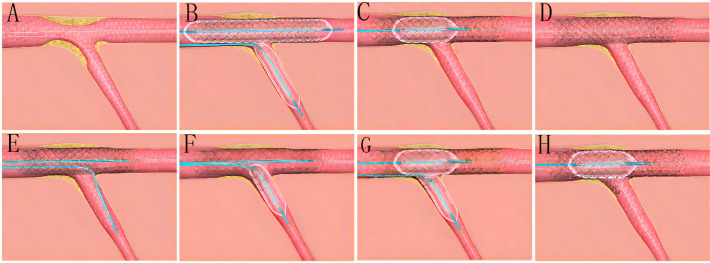
Through this small puncture, a thin, flexible tube called a catheter is navigated up to your heart using real-time X-ray imaging. Once the catheter reaches the narrowed coronary artery, a very fine guidewire is carefully passed across the blockage. A tiny, deflated balloon is then advanced over the wire and inflated precisely at the site of the plaque, pressing it firmly against the artery walls to widen the vessel.
To ensure the artery stays open, a small wire mesh tube called a stent usually coated with medication to prevent future narrowing (a drug-eluting stent) is deployed at the site. The balloon is deflated and removed, leaving the stent permanently in place to act as a sturdy scaffold for the artery. The entire procedure usually takes just 30 to 60 minutes, and most patients are able to return home the following day.
3. Safety:
Simple lesion stenting is a highly routine, safe, and effective procedure when performed by an experienced interventional cardiologist. Continuous monitoring of your heart rhythm, blood pressure, and oxygen levels is strictly maintained throughout the procedure.
Because it is a minimally invasive approach, recovery is fast and straightforward. Possible but uncommon risks include:
- Bleeding, bruising, or a small hematoma at the puncture site (wrist or groin)
- Allergic reaction to the contrast dye used during the imaging
- Temporary changes in kidney function due to the dye
- Injury or dissection to the coronary artery being treated
- Irregular heartbeats (arrhythmias) during the procedure
- Re-narrowing of the stented artery over time (restenosis), though this risk is highly minimized with modern drug-eluting stents