

TRANSCATHETER MITRAL AND TRICUSPID VALVE INTERVENTIONS
Home > Services > Transcatheter Mitral and Tricuspid Valve Implantation
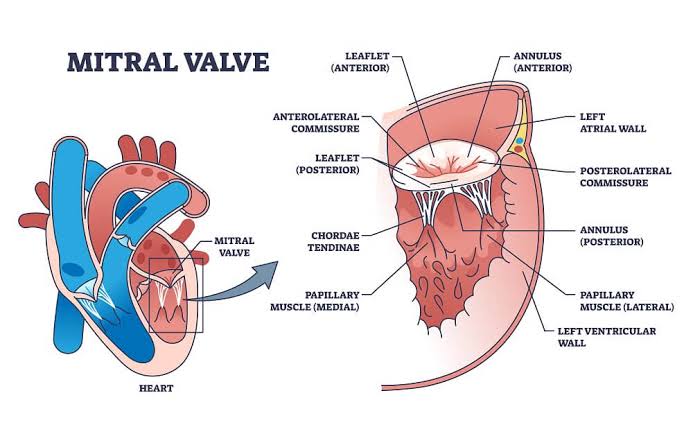
Transcatheter interventions for the mitral and tricuspid valves represent the cutting edge of structural cardiology. These valves sit on the left (mitral) and right (tricuspid) sides of the heart, regulating blood flow between the upper and lower chambers. When these valves fail to close properly (regurgitation) or become narrowed (stenosis), they cause severe heart failure, massive fluid buildup, and profound fatigue. Historically, repairing or replacing them required highly invasive open-heart surgery. Today, using specialized catheters threaded through the body’s veins, interventional cardiologists can repair the leaking leaflets (Transcatheter Edge-to-Edge Repair, or TEER) or implant entirely new valves (TMVR/TTVR) while the heart is still beating, offering a life-saving alternative for patients who are too high-risk for traditional surgery.
1. Indications:
These minimally invasive procedures are primarily designed for patients suffering from severe valve disease who are poor candidates for open-heart surgery due to advanced age, frailty, or co-existing health conditions. Common indications include:
- Severe Mitral or Tricuspid Regurgitation: The valve leaflets do not close tightly, causing blood to flow backward. This leads to severe symptoms like shortness of breath, extreme fatigue, and severe leg or abdominal swelling that does not improve with maximum doses of diuretic medications.
- High Surgical Risk: Patients deemed by a heart team to be at too high a risk for open-heart surgery, often due to prior chest surgeries, severe lung disease, or kidney failure.
- Valve-in-Valve or Valve-in-Ring (ViV/ViR): Patients who previously had a surgical tissue valve or repair ring implanted that is now degenerating. A new transcatheter valve can be deployed directly inside the old surgical implant.
- Bridge to Transplant: In some cases, these procedures stabilize a patient’s severe heart failure enough to keep them alive and healthy enough to remain on a heart transplant list.
2. Procedure:
These interventions are performed in an advanced hybrid operating room or a highly equipped cardiac cath lab. Because the anatomy of the mitral and tricuspid valves is incredibly complex, the procedure is performed under general anesthesia. The doctor relies heavily on continuous X-ray (fluoroscopy) and high-definition 3D internal ultrasound (Transesophageal Echocardiogram, or TEE) to precisely guide their movements in real-time.
A small puncture is made in the femoral vein in the groin. For the tricuspid valve, the catheter is simply navigated straight up into the right side of the heart. For the mitral valve, the catheter must cross over to the left side of the heart; the doctor performs a precise puncture through the thin wall separating the upper chambers (transseptal puncture).
Depending on the patient’s specific anatomy, the doctor will perform one of two primary interventions:
- Transcatheter Edge-to-Edge Repair (TEER): Used mostly for leaky valves. The doctor navigates a tiny, highly maneuverable clip (such as a MitraClip™ or TriClip™) to the center of the valve. The clip grasps the flailing leaflets and pins them together, creating a “double-barrel” opening that dramatically reduces the backward leak while still allowing blood to flow forward.
- Transcatheter Valve Replacement (TMVR/TTVR): A fully collapsible biological tissue valve is navigated directly inside the diseased native valve or a failing surgical valve. It is then expanded, powerfully pushing the old valve out of the way and instantly taking over the job of regulating blood flow.
Once the repair or replacement is confirmed to be working perfectly via ultrasound, the delivery catheters are removed. The procedure typically takes 2 to 4 hours, and patients are usually discharged within 1 to 3 days.
3. Safety:
Transcatheter mitral and tricuspid interventions drastically reduce the trauma on the body by avoiding a cracked sternum and the use of a heart-lung bypass machine.
While minimally invasive, manipulating the heart’s large atrioventricular valves is complex, and patients are closely monitored. Possible risks include:
- Bleeding or Bruising: At the catheter insertion site in the groin.
- Need for a Permanent Pacemaker: Particularly with tricuspid or mitral valve replacements, the pressure of the new valve can disrupt the heart’s nearby electrical pathways (heart block).
- Residual Leak: The clip or new valve may not completely eliminate the regurgitation, though it almost always reduces it to a manageable level.
- Device Dislodgement: A rare event where a clip loses its grip on a leaflet or a replacement valve shifts out of position, which may require emergency surgery to correct.
- Atrial Septal Defect (ASD): The small hole created in the heart wall (transseptal puncture) to access the mitral valve usually heals on its own, but sometimes requires a small plug to close it if blood flow between the chambers remains significant.