● Lifestyle & Prevention
Understanding Good and Bad Cholesterol: How They Affect Your Risk of Heart Attack
Table of Contents
- Introduction
- What Is Cholesterol?
- What Is the Difference Between Good and Bad Cholesterol?
- How Cholesterol Levels Affect Heart Risk
- Should I Be More Concerned About My Cholesterol Numbers or My Overall Risk?
- What Are Triglycerides and Why Do They Matter?
- How Does High Cholesterol Cause a Heart Attack?
- Myth vs. Fact: Common Cholesterol Myths
- Who Is at Risk for High Cholesterol?
- How Can You Lower Your Cholesterol Naturally?
- When Are Cholesterol Medications Necessary?
- Expert Preventive Cardiology at CANES Clinic
- FAQs
Book a Consultation
Prevention is better than cure. Talk to our specialists today.
Heart disease remains one of the leading causes of death worldwide, and one of the most critical, yet frequently misunderstood, risk factors is abnormal lipid levels in your blood. When you receive your blood test results, the numbers can be incredibly confusing. Understanding the exact difference between good and bad cholesterol is the first and most important step toward protecting your arteries and preventing a sudden cardiac emergency.
At CANES Cardio & Neuro Clinic, an advanced center for preventive cardiovascular care in Hyderabad, we prioritize clear, actionable patient education. Guided by Dr. Kiran Lakkireddy, an experienced interventional cardiologist, our goal is to help you decipher your lab results and understand exactly how they impact your long-term health. In this comprehensive guide, we will break down the science of cholesterol, explore how it directly causes heart attacks, and provide evidence-based strategies to naturally improve your numbers.
Quick Answer
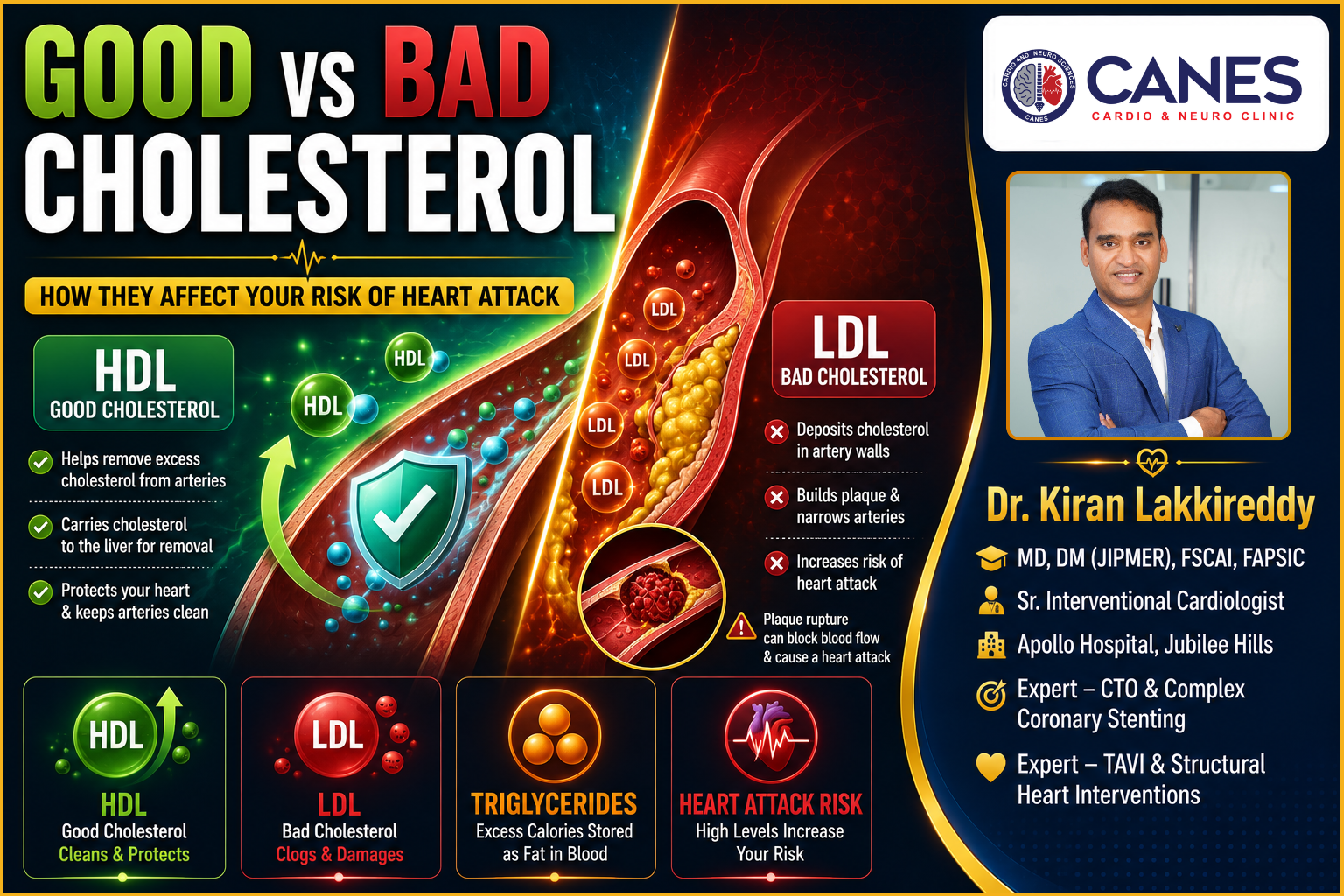
Good and bad cholesterol play opposite roles in your body: good cholesterol (HDL) acts as a scavenger that removes fat from your bloodstream, while bad cholesterol (LDL) deposits fat into your artery walls. Over time, high levels of bad cholesterol create hard plaques that narrow the arteries, drastically increasing your risk of a sudden heart attack. Managing this balance through diet, exercise, and targeted medication is the most effective way to protect your cardiovascular system.
Cholesterol At a Glance
To quickly understand your lipid profile, here is exactly what each marker does inside your body.
Marker | Why It Matters |
|---|---|
LDL (Bad Cholesterol) | Increases dangerous plaque buildup and blocks arteries. |
HDL (Good Cholesterol) | Scavenges and removes excess cholesterol, protecting blood vessels. |
Triglycerides | Stores excess energy from food; high levels increase cardiovascular risk. |
Total Cholesterol | Provides a combined, overall measurement of your lipid health. |
What Is Cholesterol?
Cholesterol is a waxy, fat-like substance that is naturally produced by your liver and also obtained from certain foods in your diet. It is an essential building block for your body, but excessive amounts circulating in your blood can become highly dangerous.
Key Takeaway: Cholesterol is absolutely necessary for human survival, but having too much of it—specifically the bad kind—leads to severe arterial complications over time.
While cholesterol often gets a bad reputation, your body actually requires it to function. It is vital for building healthy, flexible cell membranes and producing essential hormones like estrogen, testosterone, and cortisol. Furthermore, it helps manufacture vitamin D when your skin is exposed to sunlight and produces bile acids for healthy digestion.
Since cholesterol is a fat (lipid), it cannot dissolve in your watery blood. To travel through your bloodstream, it must be carried by specialized microscopic vehicles called lipoproteins. The type of lipoprotein carrying the cholesterol dictates whether it will help or harm your heart.
What Is the Difference Between Good and Bad Cholesterol?
The primary difference lies in their function: Low-Density Lipoprotein (LDL) deposits fat into your artery walls (bad cholesterol), while High-Density Lipoprotein (HDL) carries excess fat back to the liver for disposal (good cholesterol).
Key Takeaway: You want your LDL levels to be low to prevent artery blockages, and your HDL levels to be high to help keep your blood vessels clean.
To fully grasp your cardiovascular risk, you must understand the opposing roles these lipoproteins play:
LDL – The “Bad” Cholesterol When you have high levels of LDL circulating in your blood, it begins to seep into the inner walls of your arteries. Over many years, these deposits harden and form plaques, a dangerous condition known as atherosclerosis. As these plaques grow, they narrow and stiffen the arteries, severely restricting the flow of oxygen-rich blood to your heart muscle.
HDL – The “Good” Cholesterol HDL cholesterol performs the exact opposite function. It travels through your bloodstream acting like a microscopic cleaning system. HDL absorbs excess cholesterol from your blood and actively pulls it out of artery walls, transporting it back to your liver where it is safely flushed out of your body.
How Cholesterol Levels Affect Heart Risk
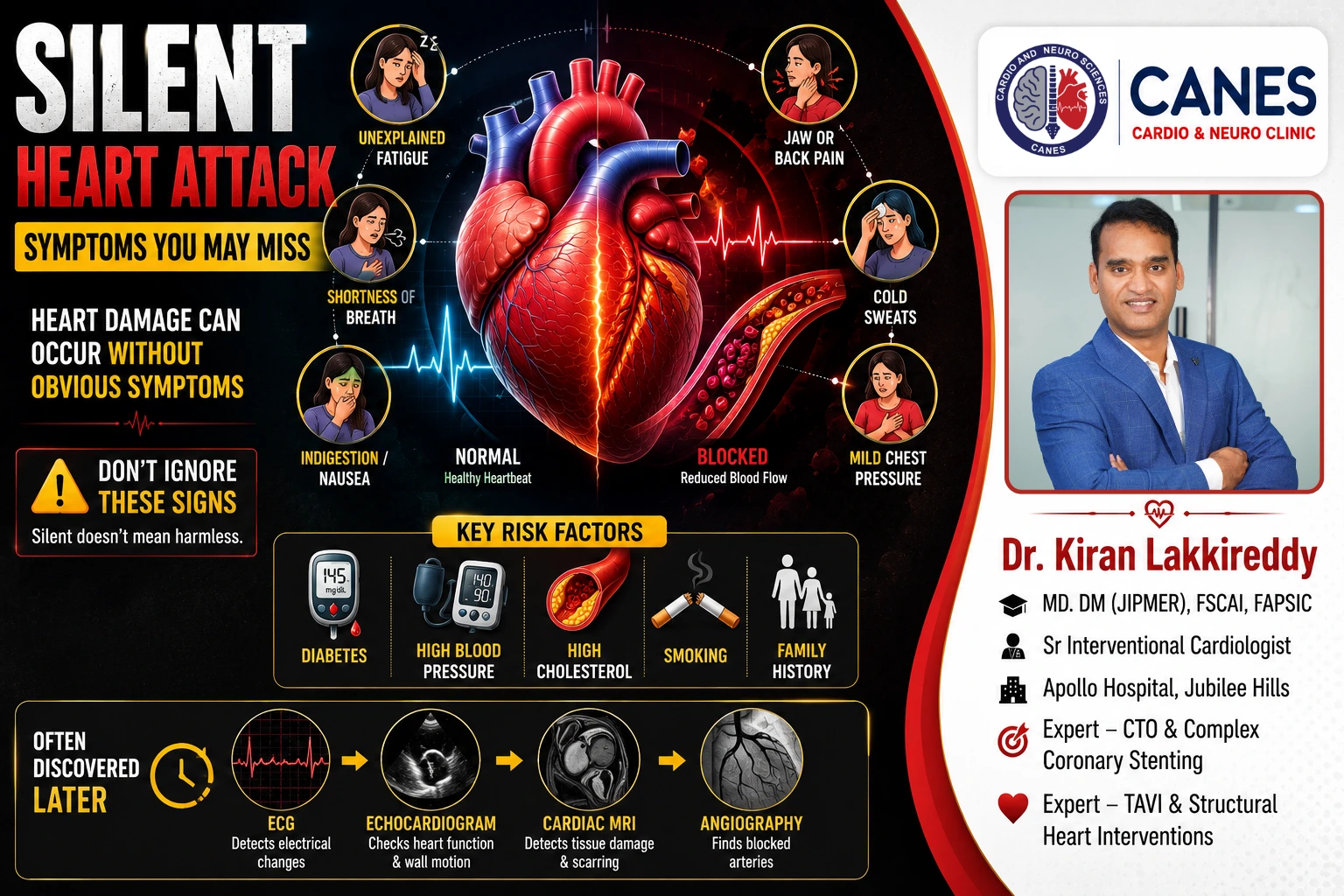
Your specific LDL number directly correlates to your risk of developing cardiovascular disease; as the concentration of LDL in your blood rises, the speed at which plaque forms in your arteries accelerates.
Key Takeaway: Lower is always better when it comes to LDL. If you have a history of heart issues, your cardiologist will want this number kept strictly in the optimal range.
When reviewing your lipid panel, cardiologists use specific categories to determine how aggressively to treat your cholesterol.
LDL Risk Category Scale
LDL Level (mg/dL) | Risk Category | Clinical Action |
|---|---|---|
Below 100 | Optimal | Ideal for healthy adults; high-risk patients need it < 70. |
100 – 129 | Near Optimal | Monitor closely; improve diet and exercise. |
130 – 159 | Borderline High | Lifestyle interventions required; medication considered. |
160 – 189 | High | High risk for plaque buildup; statins usually prescribed. |
190 and Above | Very High | Critical risk level; aggressive medical intervention needed. |
Should I Be More Concerned About My Cholesterol Numbers or My Overall Risk?
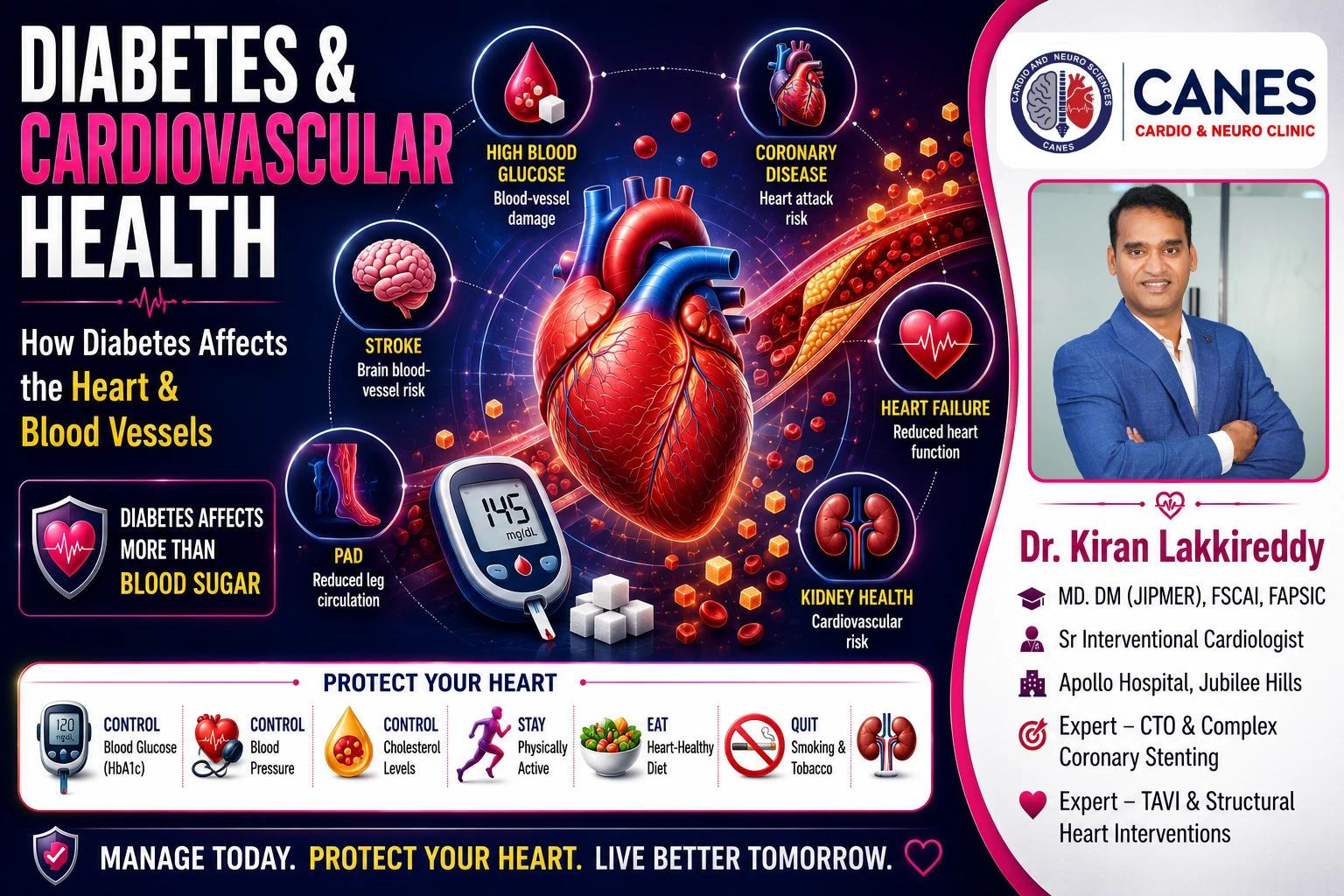
A mildly elevated cholesterol level may actually be less concerning than a combination of other active threats like diabetes, smoking, high blood pressure, and a strong family history of heart disease. Your cardiologist looks at your entire metabolic picture, not just one isolated number.
Key Takeaway: High cholesterol is just one piece of the puzzle. Managing your overall cardiovascular risk profile is far more important than hyper-focusing on a single lab result.
It is very common for patients to panic over a slightly high total cholesterol number. However, modern cardiology relies on holistic risk assessment. For example, a patient with an LDL of 120 mg/dL who is highly active, has excellent blood pressure, and does not smoke is generally at a lower immediate risk than a diabetic smoker with an LDL of 100 mg/dL. The inflammation caused by smoking and high blood sugar accelerates the damage that good and bad cholesterol imbalances cause, making the overall environment inside the arteries the true danger.
What Are Triglycerides and Why Do They Matter?
Triglycerides are the most common type of fat found in your blood, used by your body to store excess energy from the food you eat. High triglyceride levels, especially when combined with high bad cholesterol or low good cholesterol, significantly amplify your risk of a heart attack.
Key Takeaway: High triglycerides often go hand-in-hand with pre-diabetes, obesity, and a diet high in simple sugars, making them a crucial marker to monitor alongside your cholesterol.
When you consume more calories than your body immediately needs especially from refined carbohydrates, sugary drinks, and alcohol your liver converts those excess calories into triglycerides. While normal levels are harmless, high levels in the bloodstream contribute to the thickening of the artery walls (arteriosclerosis). The combination of high triglycerides, high LDL, and low HDL is particularly lethal, acting as a major accelerator for cardiovascular disease.
How Does High Cholesterol Cause a Heart Attack?
High cholesterol causes a heart attack by slowly building up plaque inside the coronary arteries; if that unstable plaque suddenly ruptures, a blood clot forms and completely blocks blood flow to the heart muscle. This process develops silently over decades.
Key Takeaway: Most heart attacks are not caused by an artery slowly clogging until it stops; they are caused by a relatively small plaque suddenly bursting open and forming an instant clot.
The biological progression from high cholesterol to a life-threatening cardiac event follows a very specific, sequential mechanism:
- Accumulation: Excess LDL enters the inner wall of the artery and begins to deposit fat.
- Inflammation: Your body’s immune system reacts to these deposits with inflammation, which ironically leads to the formation of a hard, fatty plaque.
- Arterial Narrowing: As the plaque grows, the artery becomes narrower and stiffer, restricting oxygen-rich blood flow to the heart muscle.
- Plaque Rupture: Due to high blood pressure or systemic inflammation, the thin cap covering the plaque suddenly tears open.
- Blood Clotting: The body treats this rupture like an open wound and rapidly forms a blood clot over the site.
- Heart Attack: Inside the narrow space of a coronary artery, this new clot instantly and completely blocks all blood flow. Without oxygen, the heart muscle cells begin to die.
Myth vs. Fact: Common Cholesterol Myths
Because nutritional science has evolved rapidly, many outdated ideas about good and bad cholesterol still circulate; separating proven facts from internet myths is critical for your health.
Common Myth | Medical Fact |
|---|---|
All cholesterol is bad. | Your body relies on cholesterol to build cells and produce hormones; HDL actually protects your arteries. |
Only overweight people have high cholesterol. | Genetics play a massive role; thin, highly active individuals can still inherit dangerously high LDL levels. |
You can “feel” high cholesterol if it gets too high. | High cholesterol has absolutely zero physical symptoms until it causes a heart attack or stroke. |
If you take statins, you can eat whatever you want. | Medications work best when combined with a heart-healthy diet; a poor diet will overpower the drug’s benefits. |
Who Is at Risk for High Cholesterol?
The risk of developing an unhealthy balance of good and bad cholesterol is driven by genetics, increasing age, and heavily influenced by lifestyle choices like a poor diet and lack of exercise.
Key Takeaway: While you cannot change your age or your family tree, you have immense, daily control over the lifestyle factors that directly impact your lipid profile.
Several key factors determine your clinical risk level:
Unhealthy Diet: A diet high in saturated fats (fatty meats) and trans fats (fried goods) is a primary driver of high LDL.
Lack of Physical Activity: A sedentary lifestyle lowers your protective HDL and promotes weight gain.
Obesity: Carrying excess body weight, particularly visceral fat around the abdomen, frequently leads to elevated LDL and high triglycerides.
Smoking: Tobacco smoke chemically damages the smooth inner lining of your blood vessels and drastically lowers your “good” HDL cholesterol.
Family History: Familial hypercholesterolemia is an inherited genetic condition that causes dangerously high cholesterol levels starting in childhood.
How Can You Lower Your Cholesterol Naturally?
You can significantly improve your good and bad cholesterol balance by adopting a Mediterranean-style diet rich in soluble fiber, engaging in regular cardiovascular exercise, and quitting smoking.
Key Takeaway: Consistent, daily lifestyle modifications are the first line of defense and can dramatically reduce your reliance on prescription medications over time.
Managing your cholesterol requires a proactive, structured approach to your daily habits:
Prioritize Soluble Fiber: Focus heavily on foods like steel-cut oats, beans, lentils, and apples. Soluble fiber binds to cholesterol in your digestive tract and physically removes it from your body.
Choose Healthy Fats: Incorporate monounsaturated fats from extra virgin olive oil, avocados, and omega-3 rich fish (like salmon). Strictly limit saturated animal fats and avoid trans fats entirely.
Exercise Regularly: Aim for at least 150 minutes of moderate-intensity aerobic exercise (like brisk walking or cycling) per week. Movement is one of the only proven ways to naturally raise your HDL levels.
Stop Smoking: Quitting tobacco provides rapid cardiovascular benefits, stopping arterial damage and allowing your protective HDL to rebound.
When Are Cholesterol Medications Necessary?
Cholesterol-lowering medications, such as statins, are prescribed when lifestyle changes fail to lower your LDL, or if your risk of suffering a heart attack is already critically high due to existing disease.
Key Takeaway: Statins are highly effective, life-saving medications that not only lower your bad cholesterol but also stabilize existing plaques in your arteries, preventing them from rupturing.
While diet and exercise are foundational, they are not always a complete cure. If you have a strong genetic predisposition, or if you have already been diagnosed with coronary artery disease, your liver will continue to overproduce cholesterol regardless of what you eat.
In these cases, an experienced cardiologist will prescribe a statin. These drugs work by blocking the specific enzyme in your liver that produces cholesterol. Furthermore, statins actively reduce inflammation inside your blood vessels, making existing plaques highly stable and significantly reducing the likelihood of a sudden cardiac emergency.
Expert Preventive Cardiology at CANES Clinic
Optimizing your balance of good and bad cholesterol requires a medical team that combines advanced diagnostic precision with clear, empathetic guidance. At CANES Cardio & Neuro Clinic, we prioritize thorough patient education and proactive, preventive care to keep you out of the emergency room.
Guided by Dr. Kiran Lakkireddy, a highly trusted expert in complex interventional cardiology, our facility ensures that every aspect of your cardiovascular health is fully explored. Whether you require a routine lipid profile assessment, advanced cardiac screening, or a personalized cholesterol management plan, our team utilizes the latest evidence-based protocols to keep your personal risk as low as possible.
Location: 3rd Floor, Tapasavi Commercial Complex, Hi-Tension Rd, Kondapur, Hyderabad
Contact: +91 9014944654
Appointment Booking: Visit CANES Clinic Official Portal
Specialist Profile: Dr. Kiran Lakkireddy Official Website
Key Points to Remember
- The Critical Difference: LDL is the “bad” cholesterol that clogs your arteries, while HDL is the “good” cholesterol that helps scavenge and clean them out.
- A Silent Threat: High cholesterol rarely causes any symptoms until it results in a severe cardiovascular event. Regular fasting blood tests are essential.
- The Plaque Danger: Heart attacks are typically caused by the sudden rupture of unstable cholesterol plaques inside the coronary arteries, which instantly form blood clots.
- Holistic Risk: A slightly high cholesterol number is most dangerous when combined with other risk factors like smoking, diabetes, and high blood pressure.
- Medical Intervention: If you are at high risk or have a strong family history, statins are a safe, critical tool for lowering LDL levels and stabilizing dangerous plaques.
Frequently Asked Questions (FAQs)
Can thin, active people still have dangerously high cholesterol?
es. While diet and weight play a major role, your liver dictates how much cholesterol you produce and clear. Familial hypercholesterolemia is a genetic condition that causes very high LDL levels, even in marathon runners or people with very low body fat.
Is it possible to completely reverse high cholesterol?
You can drastically lower your numbers and reverse your risk through diet, exercise, and medication. However, if your high cholesterol is genetic, it is a chronic condition that must be managed long-term, rather than completely “cured.”
Is having very high HDL (good cholesterol) always protective?
Usually, higher HDL is better. However, recent cardiological research suggests that extremely high levels of HDL (above 90 mg/dL) may not offer additional protection and, in very rare cases, might actually be dysfunctional. Balance is the ultimate goal.
How long does it take for a healthy diet to lower my cholesterol?
While some initial metabolic improvements occur quickly, it typically takes 4 to 12 weeks of consistent dietary changes (like heavily increasing soluble fiber) to see a significant, measurable reduction in your LDL on a blood test.
Can chronic, severe stress directly cause high cholesterol?
While severe stress does not directly manufacture cholesterol, it floods the body with cortisol. High stress also frequently leads to unhealthy coping mechanisms, such as poor dietary choices, weight gain, and smoking, which rapidly drive up LDL levels.
Should I stop taking my cholesterol medication once my numbers are normal?
No, you should never stop without consulting your cardiologist. Your cholesterol numbers are normal because the medication is suppressing your liver’s production. If you stop the statin, your LDL levels will almost certainly rise back to dangerous levels.
Expert Care
Hyderabad's leading Cardio & Neuro specialists.