● Lifestyle & Prevention
Coronary Stenting in Heart Attack: A Complete Guide to Primary Angioplasty, Benefits, Risks and Recovery
Table of Contents
- Introduction
- Which Heart Attacks Usually Require Primary PCI?
- What Is Primary Percutaneous Coronary Intervention (PCI)?
- Why Is Primary PCI Crucial During a Heart Attack?
- Primary PCI Versus Thrombolytic Therapy
- What Are the Potential Complications of Coronary Stenting?
- Why Are Antiplatelet Medicines Critical After Stenting?
- Does a Stent Cure Coronary Artery Disease?
- Actionable Checklist: What to Ask Your Cardiologist
- Myth Versus Fact: Coronary Stenting
- Cardiovascular Follow-Up at CANES Clinic
- FAQs
Book a Consultation
Prevention is better than cure. Talk to our specialists today.
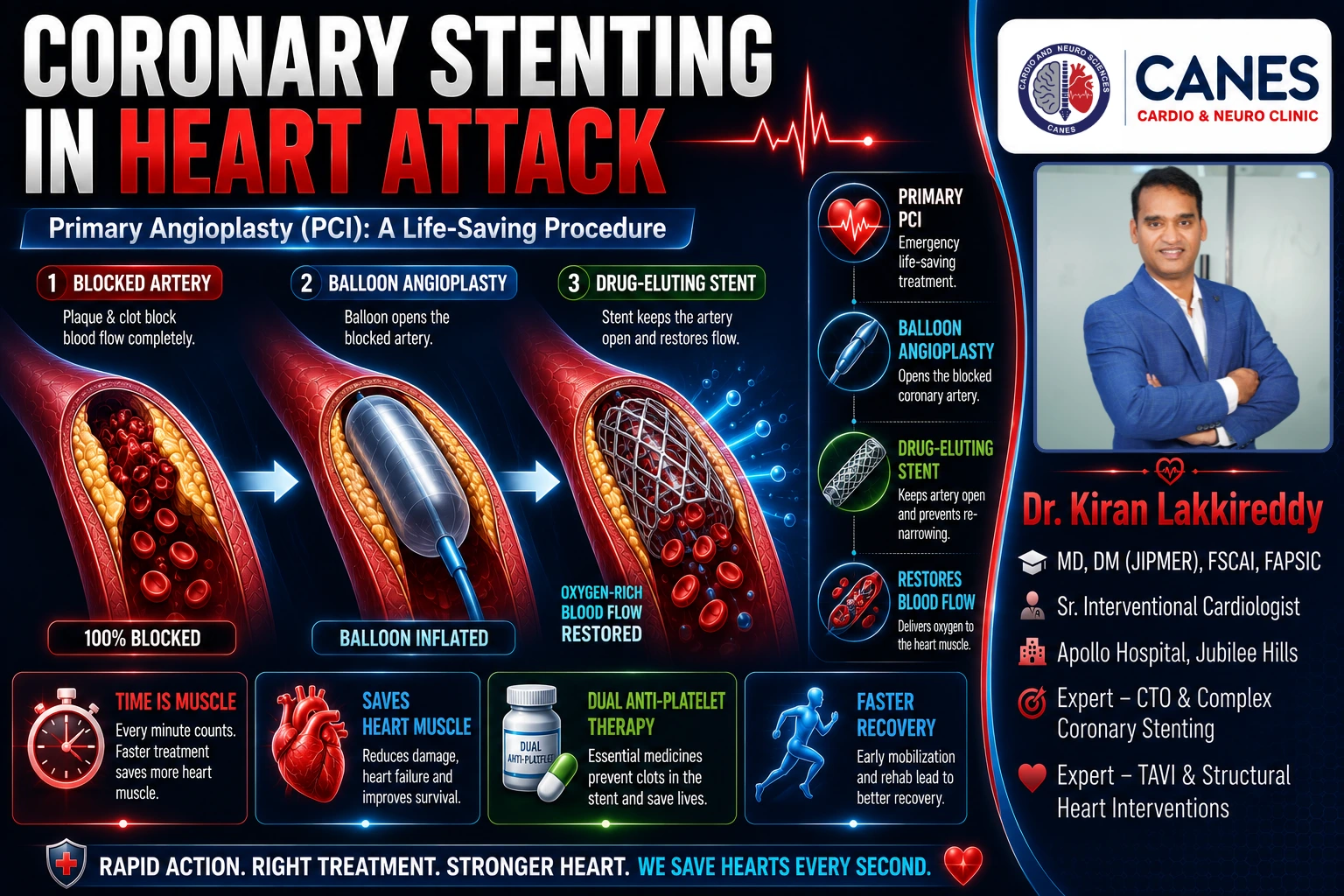
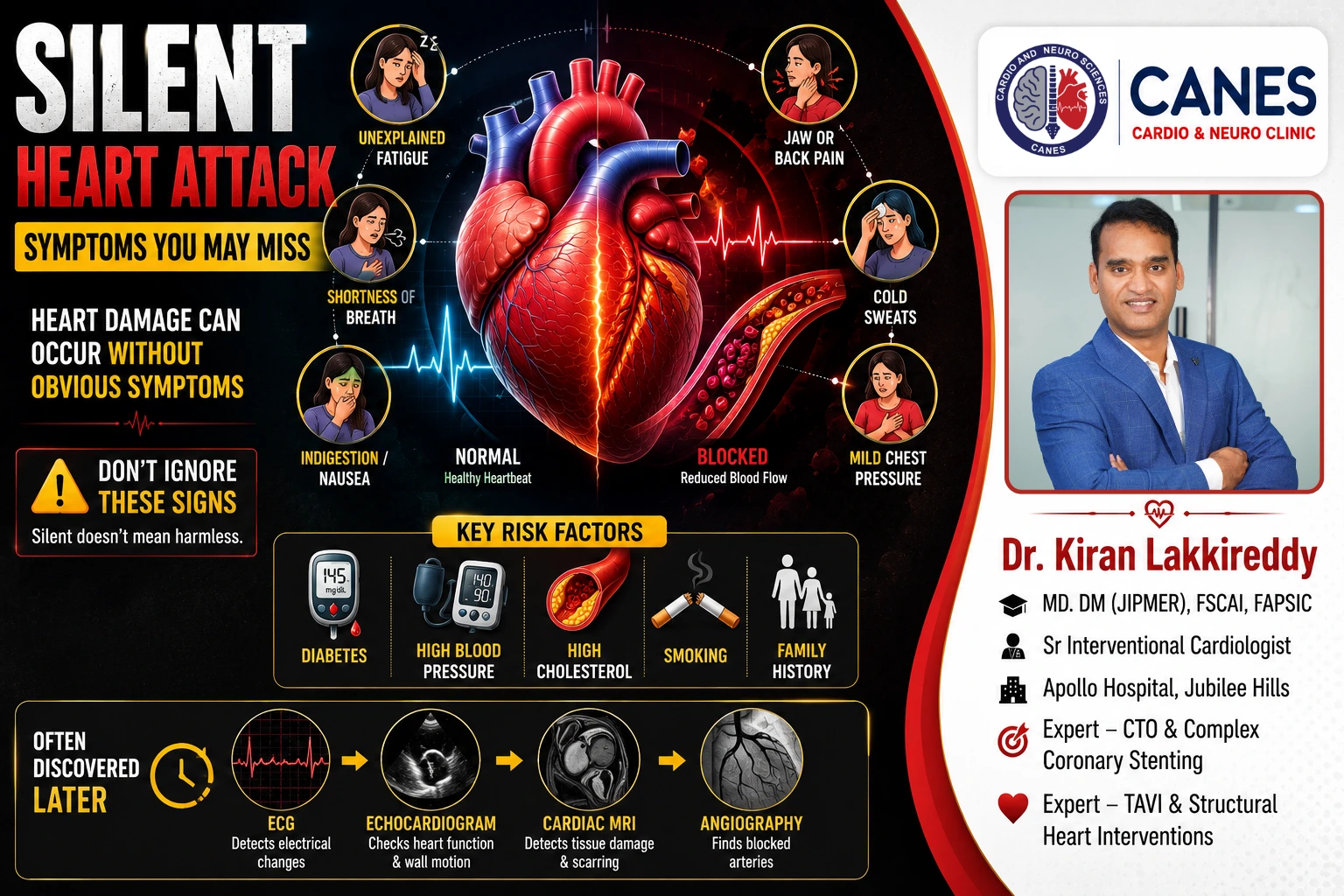
A heart attack occurs when blood flow through a coronary artery becomes suddenly reduced or blocked, depriving part of the heart muscle of oxygen-rich blood. Restoring blood flow as quickly as possible is the single most important goal in the treatment of a heart attack.
Primary Percutaneous Coronary Intervention (PCI), also commonly referred to as primary angioplasty or PTCA, is a critical emergency treatment used to reopen a blocked coronary artery. During this procedure, an interventional cardiologist guides a thin catheter to the affected coronary artery, opens the blocked segment with a balloon (angioplasty), and places a coronary stent to keep the artery permanently open. Coronary stenting in heart attack significantly reduces ongoing damage to the heart muscle, lowers the risk of fatal complications, and substantially improves patient survival.
At CANES Cardio & Neuro Clinic in Hyderabad, cardiovascular care emphasises rapid assessment, understandable patient education, and shared decision-making. Guided by Dr. Kiran Lakkireddy, an experienced interventional cardiologist specialising in complex cardiology, the clinic helps patients and families navigate coronary artery disease, heart attack recovery, and the critical importance of long-term cardiovascular follow-up.
Quick Answer
Coronary stenting in heart attack is an emergency, life-saving procedure (Primary PCI) where a cardiologist inserts a tiny mesh tube into a blocked heart artery to instantly restore blood flow.
This critical procedure generally involves:
- Identifying the exact location of the blocked coronary artery.
- Passing a thin catheter to the affected area, usually via the wrist or groin.
- Opening the blockage using balloon angioplasty.
- Placing a permanent metal coronary stent to hold the artery open.
- Instantly restoring oxygen-rich blood flow to the dying heart muscle.
- Beginning strict antiplatelet medicines (blood thinners) to prevent clots.
- Continuing long-term cardiovascular treatment and cardiac rehabilitation.
While primary PCI is the gold standard for reducing heart-muscle damage, coronary stenting is an invasive procedure with potential complications that must be managed by an experienced cardiology team.
Coronary Stenting at a Glance
Aspect | What It Means | Why It Matters |
|---|---|---|
Primary PCI | Emergency catheter-based treatment to reopen a blocked artery. | Rapidly restores blood flow during an active heart attack. |
Balloon Angioplasty | A small balloon expanded inside the narrowed area. | Physically pushes plaque aside to widen the artery. |
Coronary Stent | A tiny metal scaffold placed inside the treated artery. | Prevents the artery from collapsing and keeps it permanently open. |
Reperfusion | The successful restoration of blood flow to the heart muscle. | The key to halting ongoing, irreversible heart-muscle damage. |
Antiplatelet Medicines | Blood thinners like aspirin and P2Y12 inhibitors. | Absolutely essential to prevent dangerous clots from forming on the new stent. |
Which Heart Attacks Usually Require Primary PCI?
Primary PCI is most commonly performed as an emergency for an ST-Elevation Myocardial Infarction (STEMI), a severe heart attack where a major coronary artery is completely blocked.
Key Takeaway: If an electrocardiogram (ECG) reveals a STEMI, the immediate protocol is to bypass the standard emergency room and rush the patient directly to a cardiac catheterization lab to open the artery.
Detailed Explanation
Not every heart attack is treated with immediate, emergency stenting. A STEMI indicates a total blockage of a primary coronary artery, actively starving a large portion of the heart of oxygen. In these critical cases, primary PCI is the absolute standard of care. For other types of heart attacks, such as an NSTEMI (where the blockage is partial or temporary), stenting may still be required, but it is often performed urgently after initial stabilization rather than as an immediate, rush emergency.
What Is Primary Percutaneous Coronary Intervention (PCI)?
Primary PCI is an emergency, minimally invasive catheter procedure designed to physically reopen a blocked coronary artery from the inside, restoring essential blood flow during an active heart attack.
Key Takeaway: Primary PCI is not just a routine stent placement; it is a time-critical emergency strategy designed specifically to stop a heart attack in its tracks.
Detailed Explanation
Often referred to as primary angioplasty or PTCA, the objective of primary PCI is speed and precision. A specialized catheter is guided through a blood vessel directly into the heart. Whenever appropriate, radial (wrist) access is often preferred because it is associated with lower bleeding complications and earlier patient mobilisation compared with femoral (groin) access.
Once the blocked coronary artery is identified using contrast dye and X-rays, a tiny balloon is inflated to compress the plaque and widen the artery. Finally, a drug-eluting stent is expanded and permanently embedded into the artery wall to ensure it remains open. In selected complex cases, intracoronary imaging with IVUS or OCT may be used to optimize stent sizing and expansion to ensure a flawless structural result.
Why Is Primary PCI Crucial During a Heart Attack?
Primary PCI is crucial because it rapidly restores oxygen to the dying heart muscle, minimizing permanent cardiac damage, reducing the risk of heart failure, and significantly improving the patient’s chance of survival.
Key Takeaway: In cardiology, “time is muscle.” Hospitals aim to minimize “door-to-balloon time” (the time from hospital arrival to inflating the balloon in the artery), as every single minute of delay increases irreversible heart-muscle injury.
Detailed Explanation
- Rapid Restoration of Blood Flow: Early reperfusion limits the amount of heart muscle exposed to oxygen deprivation, preserving the heart’s overall pumping strength.
- Improved Survival: Clinical studies consistently show that primary PCI offers better survival outcomes compared to older, clot-busting medications (thrombolytic therapy).
- Reduced Complications: By reopening the artery quickly, PCI lowers the likelihood of severe, permanent complications like congestive heart failure and dangerous arrhythmias.
- Structural Support: The stent acts as an internal scaffold, reducing the likelihood that the artery will spasm or collapse immediately after the angioplasty balloon is deflated.
Primary PCI Versus Thrombolytic Therapy
Primary PCI physically opens the artery with a balloon and stent, which is generally superior to thrombolytic therapy, which relies on intravenous medicines to chemically dissolve the blood clot.
Key Takeaway: If a suitably equipped cardiac catheterization lab is immediately available, Primary PCI is heavily favored; however, clot-busting drugs remain vital if immediate procedural access is impossible.
Detailed Explanation
While thrombolytic (clot-busting) therapy is highly useful when immediate access to a cath lab is geographically impossible, primary PCI provides direct, mechanical treatment of the blockage. It boasts lower risks of reinfarction (a second heart attack) and a reduced chance of major bleeding in the brain compared to chemical thrombolytics.
What Are the Potential Complications of Coronary Stenting?
While life-saving, coronary stenting in heart attack carries risks, including bleeding at the access site, artery dissection, allergic reactions to contrast dye, and the dangerous formation of a blood clot inside the new stent.
Key Takeaway: The risks of the procedure are generally far lower than the risk of leaving a massive heart attack untreated, but strict adherence to post-procedure medication is required to prevent stent clotting.
Detailed Explanation
- Stent Thrombosis: A severe complication where a blood clot forms inside the newly placed stent. If it suddenly blocks the artery, it causes another massive heart attack. Strict compliance with antiplatelet medicines (blood thinners) is the primary defense against this.
- Restenosis: The gradual re-narrowing of the artery at the previously treated site due to excessive scar tissue growth. Modern drug-eluting stents have drastically reduced this occurrence.
- Bleeding: Because patients require strong blood thinners during and after the procedure, bleeding at the wrist or groin access site, or internally, requires careful monitoring.
- Artery Injury: In rare cases, the catheter or balloon can cause a tear (dissection) or hole (perforation) in the delicate coronary artery wall, requiring immediate emergency intervention.
Why Are Antiplatelet Medicines Critical After Stenting?
A newly placed coronary stent is recognized by the body as a foreign object, which naturally triggers blood platelets to form a clot over it; antiplatelet medicines temporarily prevent these clots until the artery heals.
Key Takeaway: Stopping your prescribed blood thinners without direct orders from your cardiologist can trigger an immediate, fatal stent thrombosis.
Detailed Explanation
Patients are almost always prescribed Dual Antiplatelet Therapy (DAPT)—usually aspirin combined with a P2Y12 inhibitor (like Clopidogrel or Ticagrelor). You must take these medications consistently, exactly on schedule, and inform all other healthcare professionals (including dentists) that you cannot stop them without your cardiologist’s explicit clearance.
Does a Stent Cure Coronary Artery Disease?
A coronary stent successfully treats a specific, life-threatening blockage, but it does not cure the underlying, systemic disease of atherosclerosis that caused the plaque buildup in the first place.
Key Takeaway: A stent is a mechanical fix for a local problem; stopping the disease from attacking other arteries requires lifelong medical therapy and permanent lifestyle changes.
Detailed Explanation
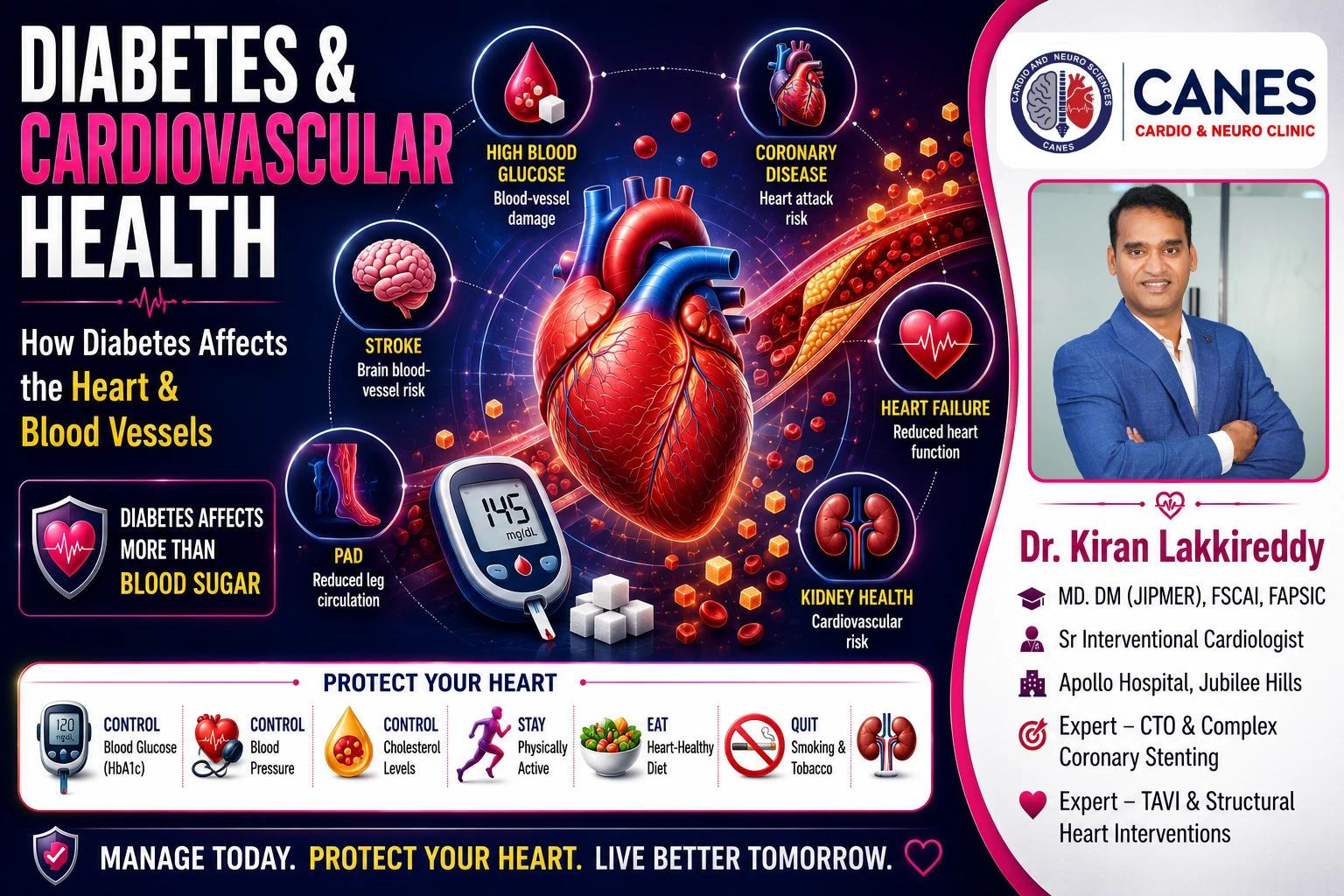
After surviving a heart attack and receiving a stent, you must actively manage the root causes of the disease. This means taking cholesterol-lowering statins, controlling blood pressure and diabetes, strictly stopping smoking, and engaging in medically guided cardiac rehabilitation. Without these changes, new blockages will simply form elsewhere in the heart.
Actionable Checklist: What to Ask Your Cardiologist
Before leaving the hospital or during your first follow-up, ensure you ask these vital questions:
- Which specific coronary artery was blocked, and how much damage did the heart muscle sustain?
- What is my current Left Ventricular Ejection Fraction (heart pumping strength)?
- How many stents were placed, and were they drug-eluting stents?
- Exactly how long must I remain on my dual antiplatelet therapy (blood thinners)?
- What specific blood pressure and LDL cholesterol targets should I be aiming for now?
- When is it safe for me to return to driving, work, and normal physical activity?
- Am I a candidate for a supervised cardiac rehabilitation program?
Myth Versus Fact: Coronary Stenting
Common Myth | Medical Fact |
|---|---|
A stent completely cures heart disease. | A stent treats a specific blockage; atherosclerosis requires lifelong medical and lifestyle management. |
Medicines can be stopped once I feel better. | Antiplatelet medicines are absolutely critical to prevent fatal clots from forming inside the new stent. |
Stents frequently move or fall out of place. | Once expanded, a stent becomes permanently embedded in the artery wall; it does not move or migrate. |
I should rest completely for months after a stent. | Early, medically-guided physical activity and cardiac rehabilitation are highly recommended for recovery. |
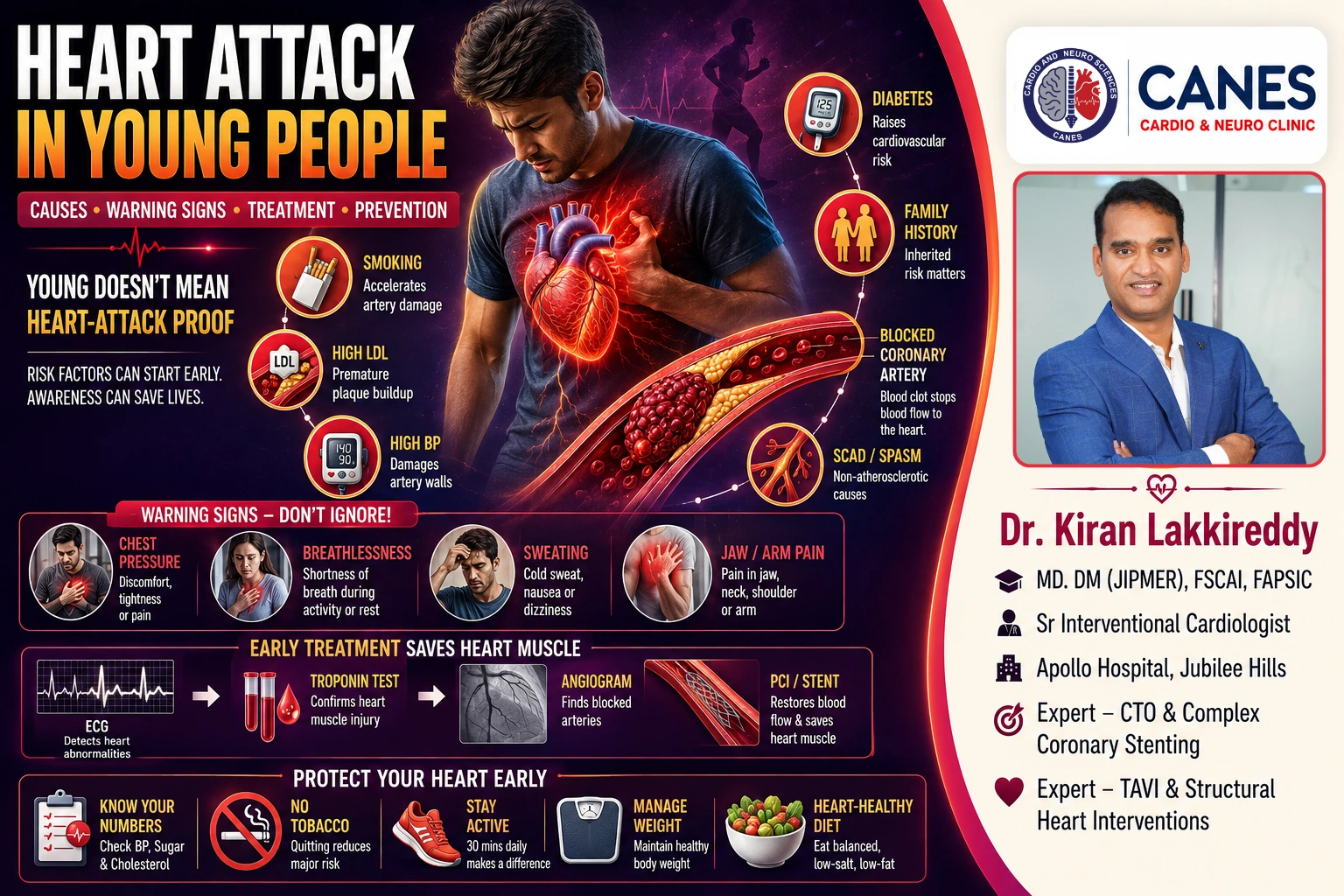
Only older people have heart attacks and need stents. | Coronary artery disease and heart attacks increasingly affect younger individuals due to lifestyle factors. |
Cardiovascular Follow-Up at CANES Clinic
Recovery from a heart attack requires a highly structured, individualized approach that goes far beyond the emergency room.
At CANES Cardio & Neuro Clinic, patients receive comprehensive cardiovascular evaluation and understandable guidance regarding coronary artery disease, heart-attack recovery, and long-term prevention. Guided by Dr. Kiran Lakkireddy, an experienced interventional cardiologist, our focus is on detailed assessment, medication optimization, shared decision-making, and appropriate coordination with cardiac rehabilitation services.
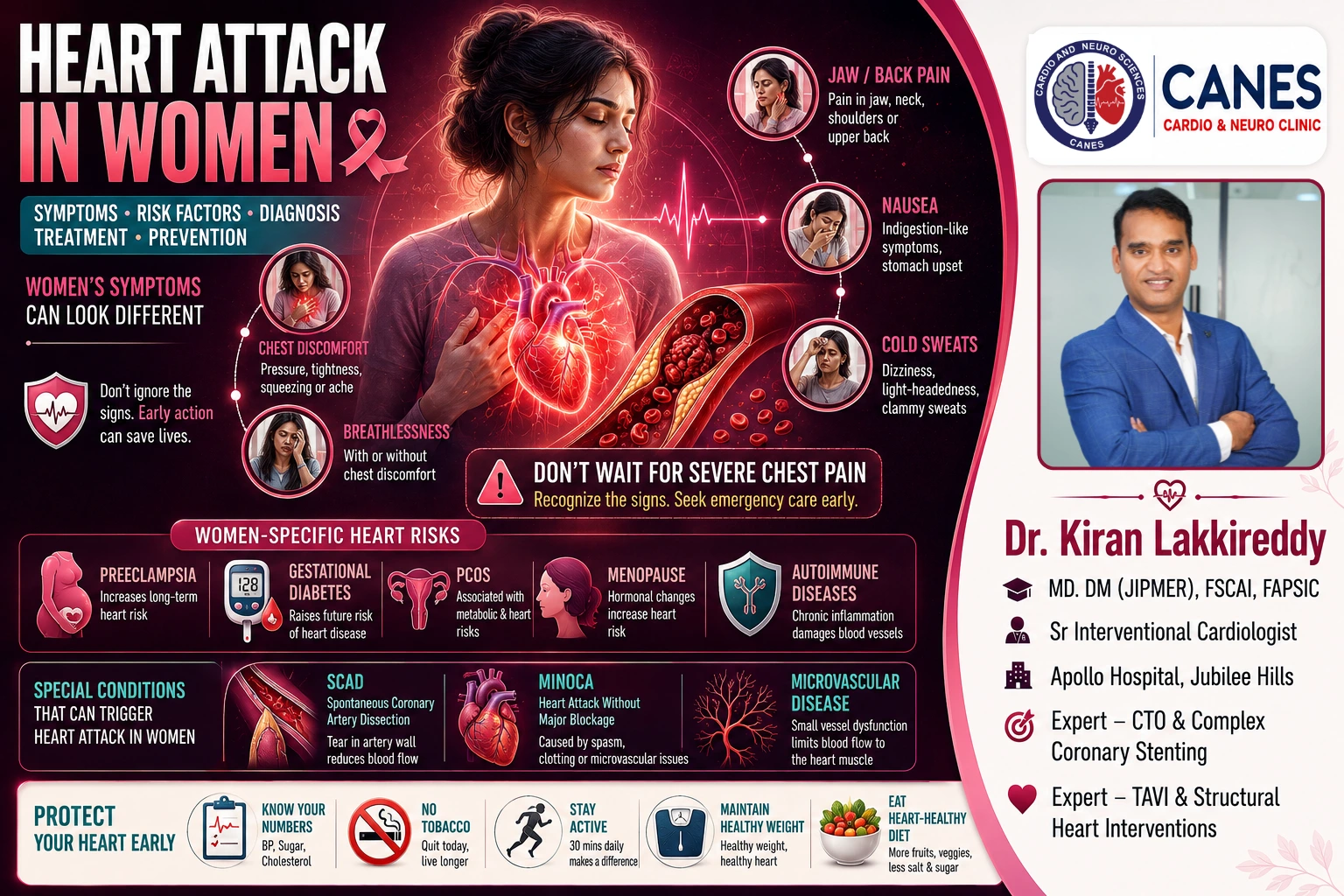
A patient experiencing symptoms of an acute heart attack—severe chest pain, breathlessness, cold sweating—should seek emergency hospital care immediately rather than waiting for a routine outpatient appointment.
Location: 3rd Floor, Tapasavi Commercial Complex, Hi-Tension Road, Kondapur, Hyderabad
Contact: +91 9014944654
Appointment Booking: Visit CANES Clinic Official Portal
Specialist Profile: Dr. Kiran Lakkireddy Official Website
Key Points to Remember
- Time is Muscle: Primary PCI aims to restore blood flow as quickly as possible to save dying heart tissue; minimizing door-to-balloon time is critical.
- STEMI Cases: Primary PCI is the gold standard for treating ST-Elevation Myocardial Infarctions (complete artery blockages).
- Angioplasty and Stenting: A balloon physically opens the artery, and a stent acts as a permanent internal scaffold to keep it open.
- DAPT is Non-Negotiable: Antiplatelet medicines are essential to prevent deadly clots (stent thrombosis) from forming on the metal stent.
- Drug-Eluting Stents: Modern stents release medication to prevent the artery from scarring and re-narrowing (restenosis).
- Stenting is Not a Cure: It fixes the immediate blockage, but long-term cholesterol, blood pressure, and diabetes management remain mandatory.
- Cardiac Rehabilitation: Supervised exercise and education significantly improve long-term recovery and confidence.
(Disclaimer: This article is intended for general patient education. It does not replace individual medical assessment, diagnosis, emergency care, or treatment advice from a qualified healthcare professional.)
Frequently Asked Questions (FAQs)
What is primary PCI?
Primary Percutaneous Coronary Intervention is an emergency, catheter-based procedure used specifically to reopen a blocked coronary artery during an active heart attack.
Is a stent permanent?
Yes. Once deployed and expanded, the coronary stent becomes a permanent part of the artery wall and cannot be removed.
What is a drug-eluting stent?
A drug-eluting stent is coated with a special medication that slowly releases into the artery wall, significantly reducing the chance of excessive scar tissue causing the artery to narrow again (restenosis).
What is stent thrombosis?
Stent thrombosis is the sudden formation of a blood clot inside or near a stent. It can completely block the artery and cause another massive heart attack, which is why prescribed blood thinners are mandatory.
Can I stop my antiplatelet medicines if I feel completely healthy?
No. You must never stop prescribed antiplatelet medicines without explicit orders from your treating cardiologist, regardless of how healthy you feel.
Does every angioplasty require a stent?
While balloon angioplasty can be done alone, placing a stent is the standard of care in the vast majority of cases to prevent the artery from immediately collapsing back down.
Can I exercise after receiving a stent?
Physical activity is an essential part of recovery. However, the timing, intensity, and progression of exercise should be directed by your cardiologist, often through a structured cardiac rehabilitation program.
Expert Care
Hyderabad's leading Cardio & Neuro specialists.