● Lifestyle & Prevention
Management of Heart Attack: A Complete Guide to Emergency Treatment, Recovery and Long-Term Heart Care
Table of Contents
- Introduction
- Why Does a Heart Attack Require Immediate Treatment?
- What Is the Difference Between STEMI and NSTEMI?
- What Should Be Done When a Heart Attack Is Suspected?
- Emergency Hospital Treatment and Diagnostic Tests
- Reperfusion Therapy: Restoring Blood Flow to the Heart
- Medicines Used in Heart Attack Management
- Cardiac Rehabilitation and Long-Term Recovery
- Long-Term Management: Preventing Another Heart Attack
- Actionable Checklist: What Should You Ask Your Cardiologist?
- Myth Versus Fact: Heart Attack Management
- Heart Attack Follow-Up at CANES Cardio & Neuro Clinic
- FAQs
Book a Consultation
Prevention is better than cure. Talk to our specialists today.
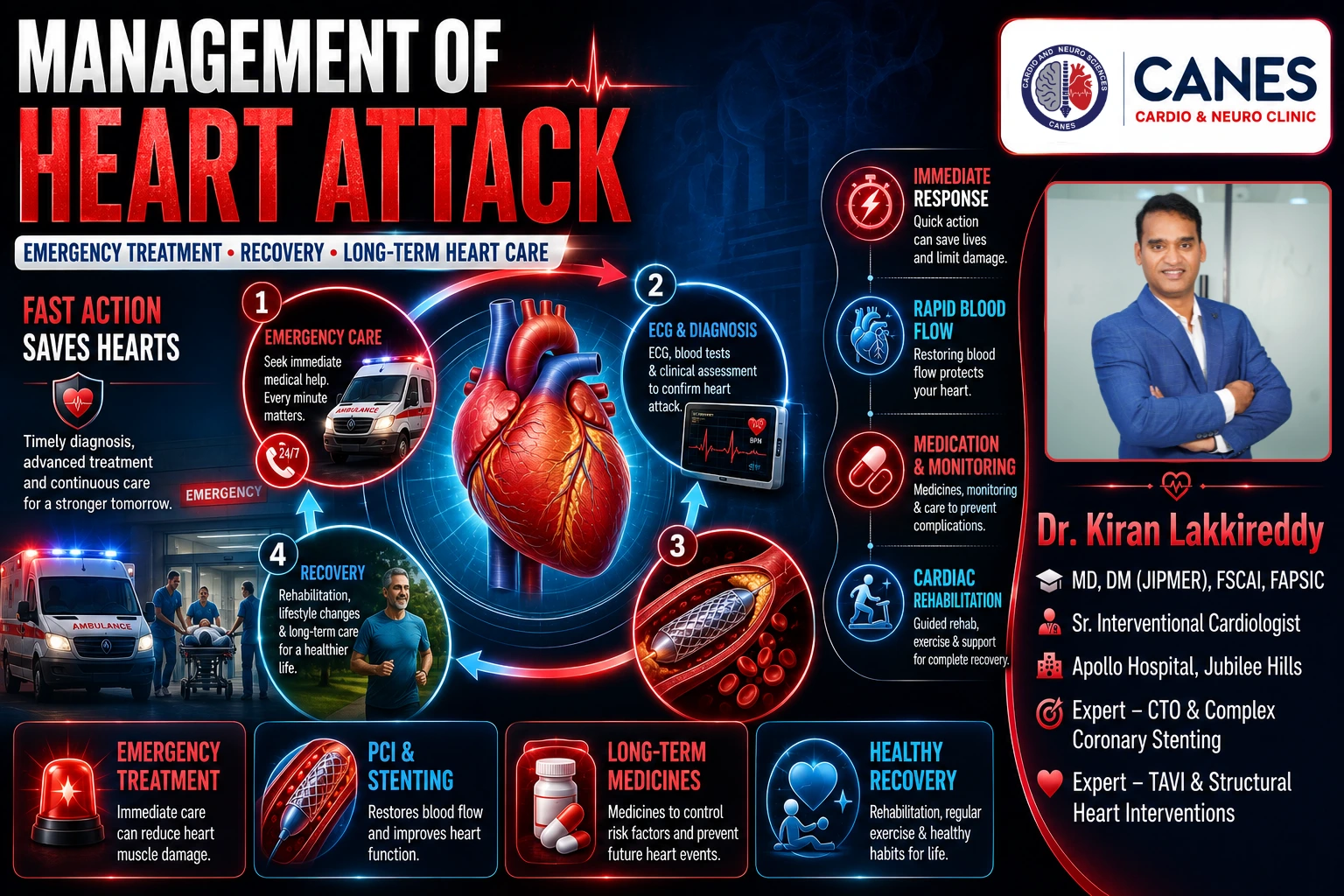
A heart attack is a medical emergency that requires immediate assessment and treatment. When blood flow to a part of the heart is suddenly reduced or blocked, the affected heart muscle may begin to suffer damage. The longer the interruption in blood flow continues, the greater the possibility of heart-muscle injury and related complications.
For this reason, the management of a heart attack focuses first on restoring blood flow as quickly as possible, stabilising the patient and limiting damage to the heart. Once the immediate emergency has been treated, attention shifts toward medicines, cardiac rehabilitation, lifestyle modification and control of cardiovascular risk factors to reduce the likelihood of another event.
At CANES Cardio & Neuro Clinic in Hyderabad, cardiovascular care emphasises careful assessment, understandable patient education and shared decision-making. Guided by Dr. Kiran Lakkireddy, an experienced interventional cardiologist specialising in complex cardiology, the clinic helps patients and families understand heart conditions, treatment requirements, recovery planning and the importance of appropriate long-term cardiovascular follow-up.
Quick Answer
The management of a heart attack involves immediate emergency medical attention, rapid hospital assessment, and urgent procedures to restore blood flow to the starving heart muscle.
This protocol usually involves several stages:
- Seeking immediate emergency medical attention
- Rapid hospital assessment and stabilisation
- Electrocardiogram (ECG) and blood tests, including cardiac troponin
- Additional cardiac imaging when required
- Restoring blood flow through Percutaneous Coronary Intervention (PCI) or thrombolytic treatment
- Medicines to reduce clot formation, relieve symptoms and support heart function
- Monitoring for complications
- Cardiac rehabilitation
- Control of blood pressure, diabetes and cholesterol
- Smoking cessation and other lifestyle changes
- Long-term medicines when prescribed and regular cardiology follow-up
Treatment must be individualised according to the type and severity of the heart attack, the patient’s medical condition, the time since symptoms began and the findings of the treating cardiac team.
Heart Attack Management at a Glance
Stage | What It May Involve | Main Purpose |
|---|---|---|
Immediate response | Emergency medical assistance and avoidance of exertion. | Reduce delay in receiving treatment. |
Hospital assessment | ECG, blood tests, examination and monitoring. | Confirm the diagnosis and determine severity. |
Reperfusion treatment | PCI/angioplasty and stenting or thrombolytic therapy when appropriate. | Restore blood flow to the heart muscle. |
Medicines & Monitoring | Antiplatelets, statins, beta-blockers, ACE inhibitors/ARBs, and constant rhythm monitoring. | Treat the acute event, detect complications, and reduce future risk. |
Cardiac rehabilitation | Exercise, education, lifestyle guidance and risk-factor management. | Support safe physical and emotional recovery. |
Long-term prevention | Medicines, diet, exercise, smoking cessation and risk-factor control. | Reduce the likelihood of another cardiovascular event. |
Why Does a Heart Attack Require Immediate Treatment?
The management of a heart attack requires immediate medical treatment because a sudden blockage in a coronary artery actively starves the heart muscle of oxygen; rapidly restoring blood flow minimizes irreversible damage and prevents fatal complications.
Key takeaway: Time is muscle. A suspected heart attack should never be managed as a routine clinic problem. It requires urgent emergency medical evaluation to prevent permanent heart failure.
Detailed Explanation
During a heart attack, blood flow through one of the coronary arteries may become significantly reduced or completely blocked. Because these arteries supply oxygen-rich blood, the affected area of heart muscle immediately begins to suffer. Emergency treatment aims to:
- Restore coronary blood flow
- Reduce further heart-muscle damage
- Relieve symptoms
- Prevent additional blood-clot formation
- Stabilise blood pressure and heart function
- Identify abnormal heart rhythms
What Is the Difference Between STEMI and NSTEMI?
Heart attacks are broadly classified into ST-Elevation Myocardial Infarction (STEMI) and Non-ST-Elevation Myocardial Infarction (NSTEMI) based on ECG findings and the severity of the blockage.
Key takeaway: A STEMI involves a complete artery blockage requiring immediate emergency reperfusion, whereas an NSTEMI involves a partial blockage requiring urgent medical and procedural intervention.
Detailed Explanation
During a suspected heart attack, the medical team quickly analyzes the ECG to classify the event:
STEMI: Indicates a complete, total blockage of a major coronary artery. It requires immediate reperfusion therapy (like PCI or thrombolytic medicines) to save the dying heart muscle.
NSTEMI: Indicates a partial or temporary blockage. While blood flow is severely restricted, it is not completely cut off. It still requires urgent hospital assessment and aggressive medical treatment, followed by a planned angiogram.
What Should Be Done When a Heart Attack Is Suspected?
If symptoms suggest a possible heart attack, contact emergency medical services immediately, sit in a comfortable position, avoid all physical exertion, and follow any instructions provided by emergency medical professionals.
Key takeaway: Do not delay seeking medical care while waiting to see whether symptoms disappear, and do not attempt to self-treat the condition with unprescribed medicines.
Recognising the Need for Emergency Care
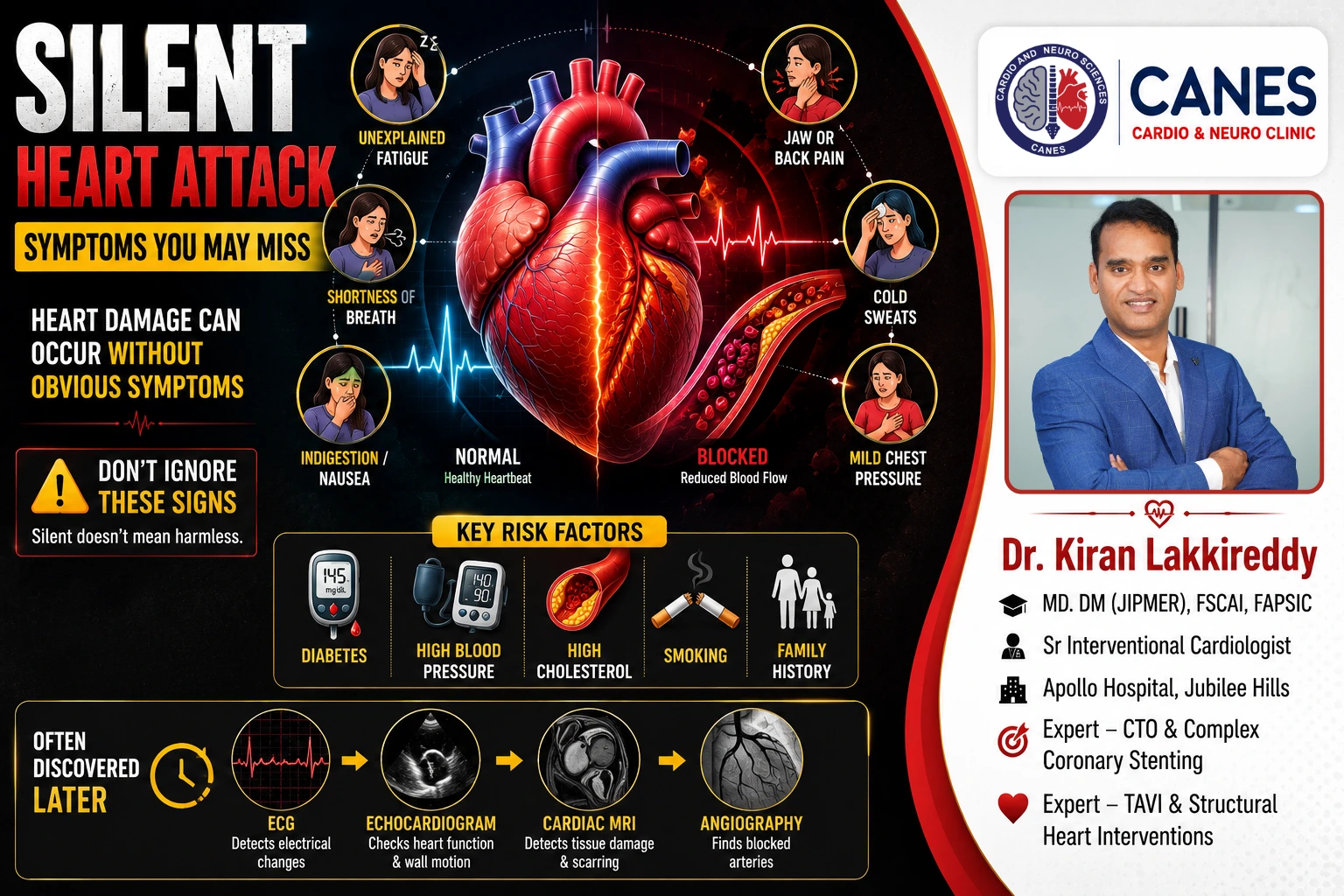
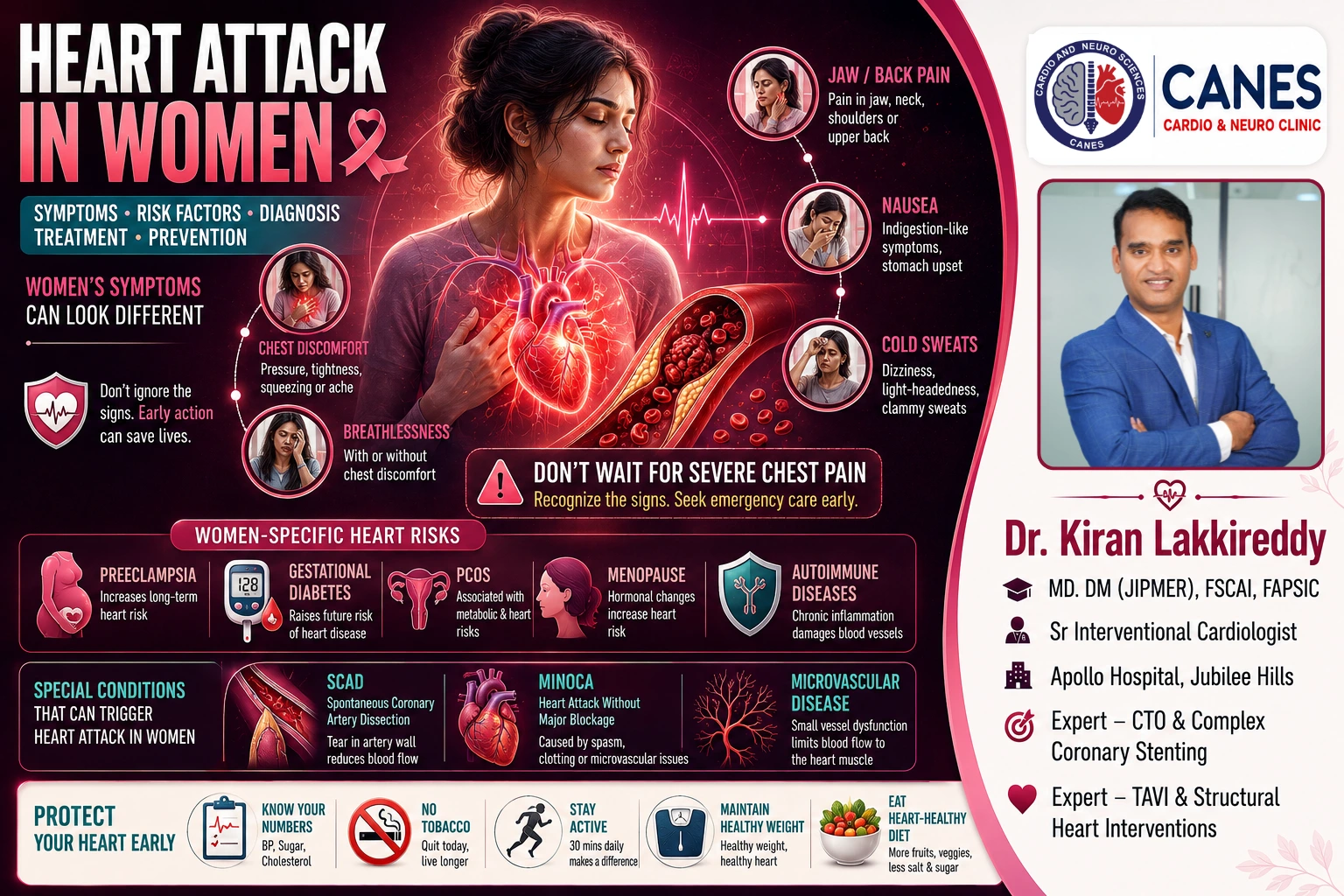
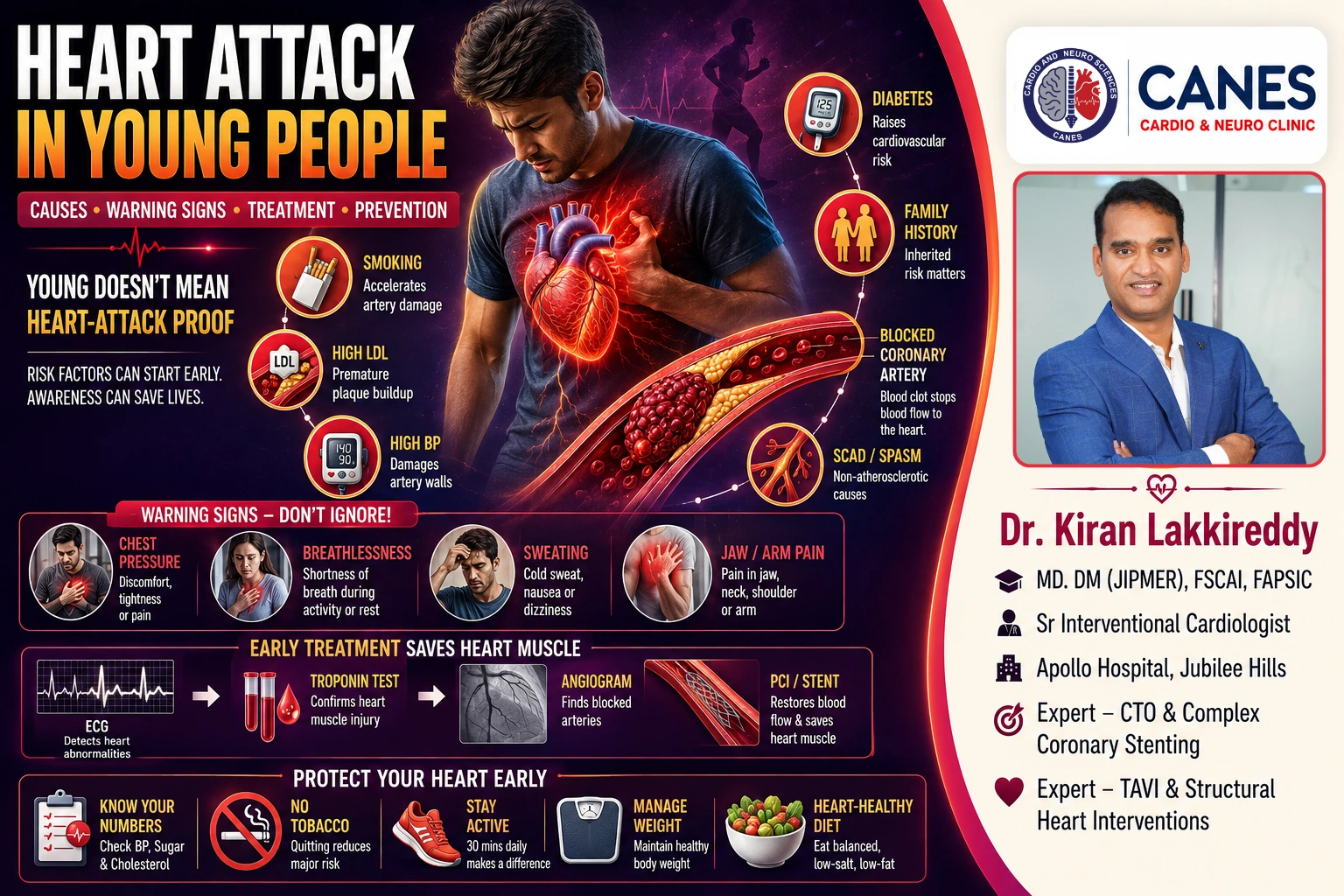
A heart attack can present differently between individuals. Symptoms that require urgent assessment may include:
- Severe or persistent chest pain or pressure
- Chest discomfort that does not settle
- Pain or discomfort extending to the arm, shoulder, back, neck or jaw
- Sudden marked breathlessness
- Cold sweating, dizziness, or faintness
- Severe weakness or nausea associated with chest discomfort
Aspirin may be used in the emergency management of selected patients because of its antiplatelet effect. However, it is not suitable for everyone. Allergy, bleeding risk, and previous medical advice must be considered, so always follow the instructions of emergency personnel.
Emergency Hospital Treatment and Diagnostic Tests
Upon arriving at the hospital, emergency management of a heart attack involves rapid stabilization using oxygen and medications, alongside immediate diagnostic tests like an Electrocardiogram (ECG) and cardiac troponin blood tests.
Key takeaway: The priority is to quickly identify the type of heart attack and determine whether urgent restoration of blood flow (reperfusion) is required to save the heart muscle.
Diagnostic Tests Used During a Heart Attack
To confirm the diagnosis and determine severity, the hospital team will utilize:
- Electrocardiogram (ECG): Records the electrical activity of the heart. It identifies changes suggesting interrupted blood supply, the location of the affected area, and abnormal rhythms.
- Troponin Blood Test: Troponin is a cardiac marker that increases in the bloodstream when heart-muscle cells are injured.
- Echocardiography: Uses ultrasound to examine heart pumping function, wall movement, heart valves, and overall cardiac damage.
- Oxygen Therapy: Provided when the medical team determines that additional oxygen support is required based on the patient’s breathing and clinical condition.
- Cardiac MRI: In selected cases, cardiac MRI may help evaluate heart-muscle injury, assess tissue viability, or identify alternative diagnoses.
Reperfusion Therapy: Restoring Blood Flow to the Heart
Reperfusion therapy is the primary emergency management of a heart attack, utilizing either Percutaneous Coronary Intervention (PCI) to physically open the blocked artery, or thrombolytic medications to chemically dissolve the blood clot.
Key takeaway: The sooner appropriate blood flow is restored, the greater the opportunity to limit ongoing injury to the heart muscle. The objective is to restore blood flow using the most appropriate strategy for the individual patient.
Percutaneous Coronary Intervention (PCI)
PCI is a procedure used to open a narrowed or blocked coronary artery. A thin catheter is guided through a blood vessel toward the heart. A small balloon is expanded at the site of the blockage to improve blood flow (angioplasty), and a stent is subsequently placed within the artery to help keep it permanently open. For patients undergoing primary PCI, hospitals aim to minimize “door-to-balloon” time because rapid restoration of blood flow improves outcomes and survival.
Thrombolytic Therapy
Thrombolytic medicines are drugs designed to help dissolve certain blood clots intravenously. The decision to use this therapy depends on the time since symptoms began, bleeding risk, and the availability of PCI.
Medicines Used in Heart Attack Management
Effective heart attack management relies on a combination of critical medications, including antiplatelets to prevent new clots, beta-blockers to reduce cardiac workload, statins to stabilize cholesterol, and ACE inhibitors to protect the heart muscle.
Key takeaway: Patients should not stop these medicines without advice from their treating cardiologist, as doing so—particularly after stent placement—can cause fatal complications.
Common Prescribed Medications
- Antiplatelet Medicines (Aspirin, Clopidogrel): Reduce the tendency of platelets to form clots. Patients are often prescribed dual antiplatelet therapy (DAPT), combining aspirin with a second blood thinner, which is highly critical after coronary stent placement.
- Beta-Blockers: Reduce the workload on the heart by affecting heart rate, blood pressure, and the heart’s response to stress hormones.
- ACE Inhibitors and ARBs: Form part of long-term treatment to protect heart function and manage blood pressure.
- Statins: Cholesterol-lowering medicines used to stabilize plaques and reduce future cardiovascular risk.
- Nitroglycerin: Used to help manage chest discomfort and improve the balance between the heart’s oxygen supply and demand.
Cardiac Rehabilitation and Long-Term Recovery
Cardiac rehabilitation is a structured, medically supervised program that forms the foundation of long-term recovery, combining personalized physical activity, heart-healthy nutrition education, emotional support, and rigorous risk-factor control.
Key takeaway: Rehabilitation helps patients understand what level of physical activity is safe, how to increase it gradually, and how to safely regain their physical and emotional confidence.
Surviving the immediate heart attack is only the first stage of treatment. A comprehensive cardiac rehabilitation program helps patients adapt to their new normal, offering support for weight management, smoking cessation, and stress-management strategies.
Long-Term Management: Preventing Another Heart Attack
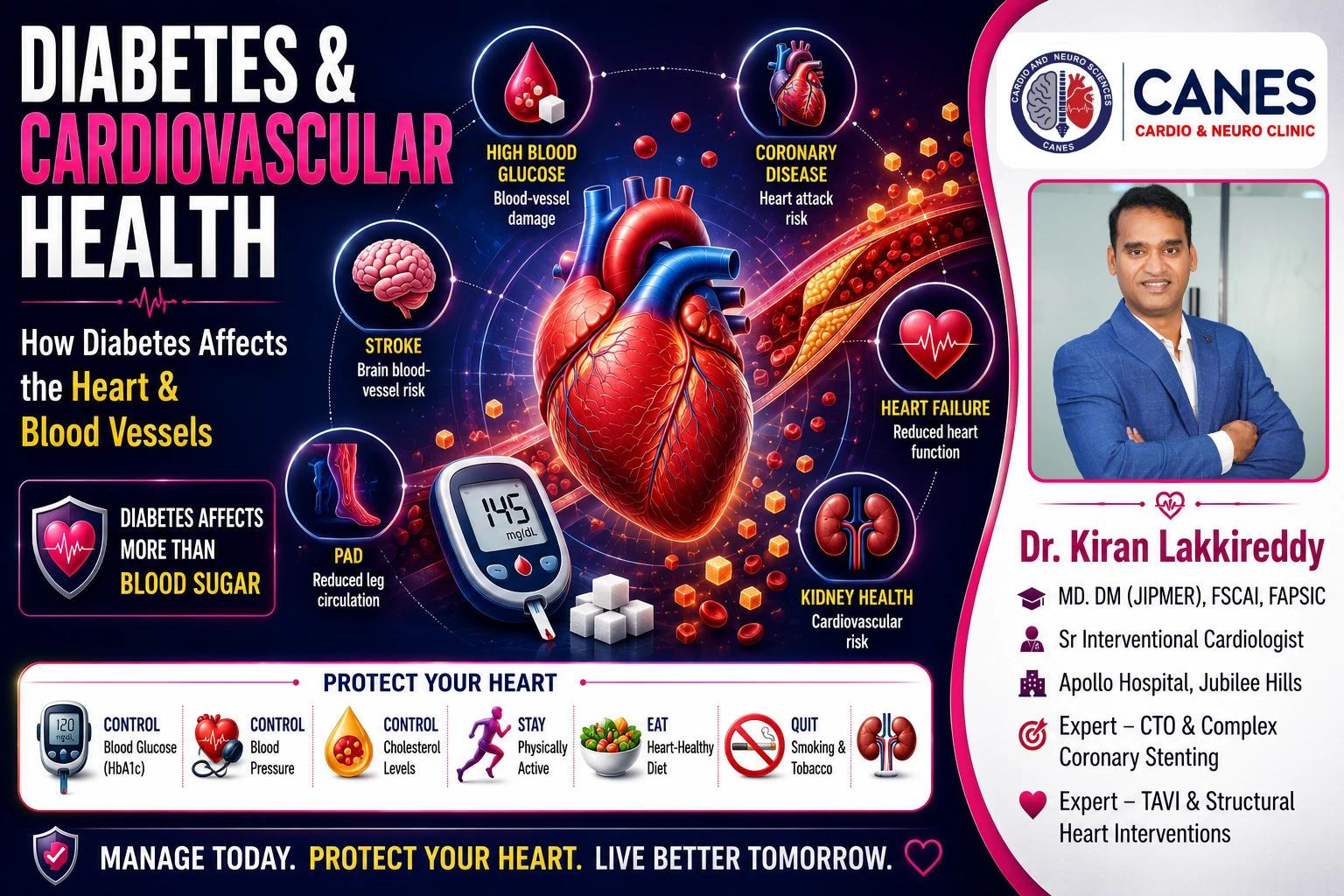
Preventing a second cardiac event requires lifelong management of cardiovascular risk factors through a heart-healthy diet, regular exercise, strict smoking cessation, and the aggressive medical control of high blood pressure and diabetes.
Key takeaway: A heart attack indicates underlying cardiovascular disease. Feeling better does not mean cardiovascular treatment is no longer required; lifestyle changes must be sustainable and permanent.
Crucial Lifestyle Modifications
- Heart-Healthy Diet: Focus on vegetables, fruits, whole grains, and pulses while heavily reducing excess salt, unhealthy fats, and processed foods.
- Physical Activity: Exercise type, intensity, and timing depend on heart function and recovery progress. Follow cardiac rehab guidance and do not begin strenuous exercise without medical advice.
- Smoking Cessation: Avoiding smoking is one of the most important long-term measures. Exposure to second-hand smoke should also be minimised.
- Maintaining a Healthy Weight: Weight management helps control blood pressure, diabetes, and abnormal cholesterol.
- Emotional and Psychological Recovery: Anxiety, fear of another attack, and depression are common. Support from counselors, family, and patient groups is vital for a complete recovery.
Actionable Checklist: What Should You Ask Your Cardiologist?
Ensure you fully understand your heart attack management plan before leaving the hospital or during your first follow-up appointment:
- What specific type of heart attack did I have, and which coronary artery was affected?
- How much permanent heart-muscle damage occurred, and what is my current Left Ventricular Ejection Fraction (LVEF)?
- Was angioplasty or stenting performed, and how long will I need strict antiplatelet treatment?
- Which specific medicines do I need to take, and what side effects should I report?
- When is it safe for me to return to normal physical activity or work?
- Am I suitable for cardiac rehabilitation, and how do I enroll?
- What specific blood-pressure, cholesterol, and diabetes targets should I work toward?
- When should my next cardiology follow-up be scheduled?
Myth Versus Fact: Heart Attack Management
Common Myth | Medical Perspective |
|---|---|
If chest pain improves, emergency care is no longer necessary. | Symptoms can temporarily improve. A suspected heart attack always requires urgent medical assessment. |
A heart attack can be treated safely at home. | A heart attack is a medical emergency requiring advanced hospital evaluation and intervention. |
Angioplasty and a stent completely cure heart disease. | PCI treats a specific blockage, but underlying cardiovascular disease and risk factors still require lifelong management. |
Medicines are no longer required once a stent is placed. | Prescribed medicines remain critically important after PCI to prevent stent clotting and future attacks. |
Complete bed rest is always safest after a heart attack. | Early rest is important, but medically guided activity and cardiac rehabilitation are critical for recovery. |
Emotional stress does not affect heart-attack recovery. | Anxiety, fear, depression and stress heavily influence recovery and adherence to healthy routines. |
Heart Attack Follow-Up at CANES Cardio & Neuro Clinic
Management after a heart attack should be highly individualised. The appropriate follow-up plan depends on the type of heart attack, the arteries involved, heart pumping function, and other conditions like diabetes and hypertension.
At CANES Cardio & Neuro Clinic, patients can receive structured cardiovascular evaluation and understandable guidance regarding heart conditions and long-term cardiovascular care. Guided by Dr. Kiran Lakkireddy, an experienced interventional cardiologist specialising in complex cardiology, the approach emphasises detailed assessment, medication optimization, and shared decision-making.
(Note: A routine outpatient clinic appointment should not replace emergency hospital treatment for a patient who may be experiencing an acute heart attack.)
Location: 3rd Floor, Tapasavi Commercial Complex, Hi-Tension Road, Kondapur, Hyderabad
Contact: +91 9014944654
Appointment Booking: Visit CANES Clinic Official Portal
Specialist Profile: Dr. Kiran Lakkireddy Official Website
Key Points to Remember
- A heart attack is a medical emergency: Treatment should begin as quickly as possible.
- Early assessment matters: ECG, troponin testing and other investigations help confirm the diagnosis.
- Restoring blood flow is a major priority: PCI with stenting or thrombolytic treatment is used to save heart muscle.
- PCI is not the end of treatment: Long-term cardiovascular care remains essential.
- Medicines serve different purposes: Antiplatelet medicines, statins, and beta-blockers must be taken exactly as prescribed.
- Cardiac rehabilitation supports recovery: It combines medically guided activity, education, and emotional support.
- Risk factors require continued treatment: Hypertension, diabetes and high cholesterol should be aggressively managed.
- Follow-up is essential: Regular cardiology assessment helps monitor recovery and prevent future events.
Frequently Asked Questions (FAQs)
What is the first thing to do if a heart attack is suspected?
Seek emergency medical assistance immediately. Do not wait at home to see whether the symptoms disappear.
What does an ECG show during a heart attack?
It records the heart’s electrical activity, showing changes caused by interrupted blood flow, detecting abnormal rhythms, and guiding urgent treatment decisions.
Does every heart attack require angioplasty and stenting?
Not every patient follows the same pathway. The decision depends on the type of heart attack, ECG findings, timing, coronary anatomy, and overall clinical condition.
Can I stop antiplatelet medicines if I feel well after a stent?
No. No prescribed cardiac medicine should be stopped without medical advice. Stopping antiplatelets early can cause a fatal blood clot inside the new stent.
When can I exercise after a heart attack?
The correct timing and intensity depend on your heart function and overall medical condition. Patients should follow the specific exercise plan recommended by their cardiac rehabilitation team.
Can another heart attack happen after treatment?
Yes. Angioplasty, stenting, and medicines reduce risk but cannot guarantee that another event will never occur. Strict long-term risk-factor management remains important.
Is anxiety normal after a heart attack?
Yes. Many people experience fear, anxiety, or uncertainty. Persistent emotional difficulties should be discussed with healthcare professionals, as psychological support is an important part of recovery.
Expert Care
Hyderabad's leading Cardio & Neuro specialists.