● Lifestyle & Prevention
Heart Attack in Women: Symptoms, Risk Factors, Diagnosis, Treatment and Prevention
Table of Contents
- Introduction
- What Is a Heart Attack?
- What Are the Warning Signs of a Heart Attack in Women?
- Why Are Heart Attacks Missed or Delayed in Women?
- What Are the Unique Cardiovascular Risk Factors in Women?
- What Other Cardiac Conditions Affect Women?
- Myth vs. Fact: Heart Attacks in Women
- How Is a Heart Attack Diagnosed in Women?
- How Is a Heart Attack Treated in Women?
- How Can Women Prevent Cardiovascular Disease?
- How Can CANES Cardio & Neuro Clinic Help?
- Conclusion
- FAQs
Book a Consultation
Prevention is better than cure. Talk to our specialists today.
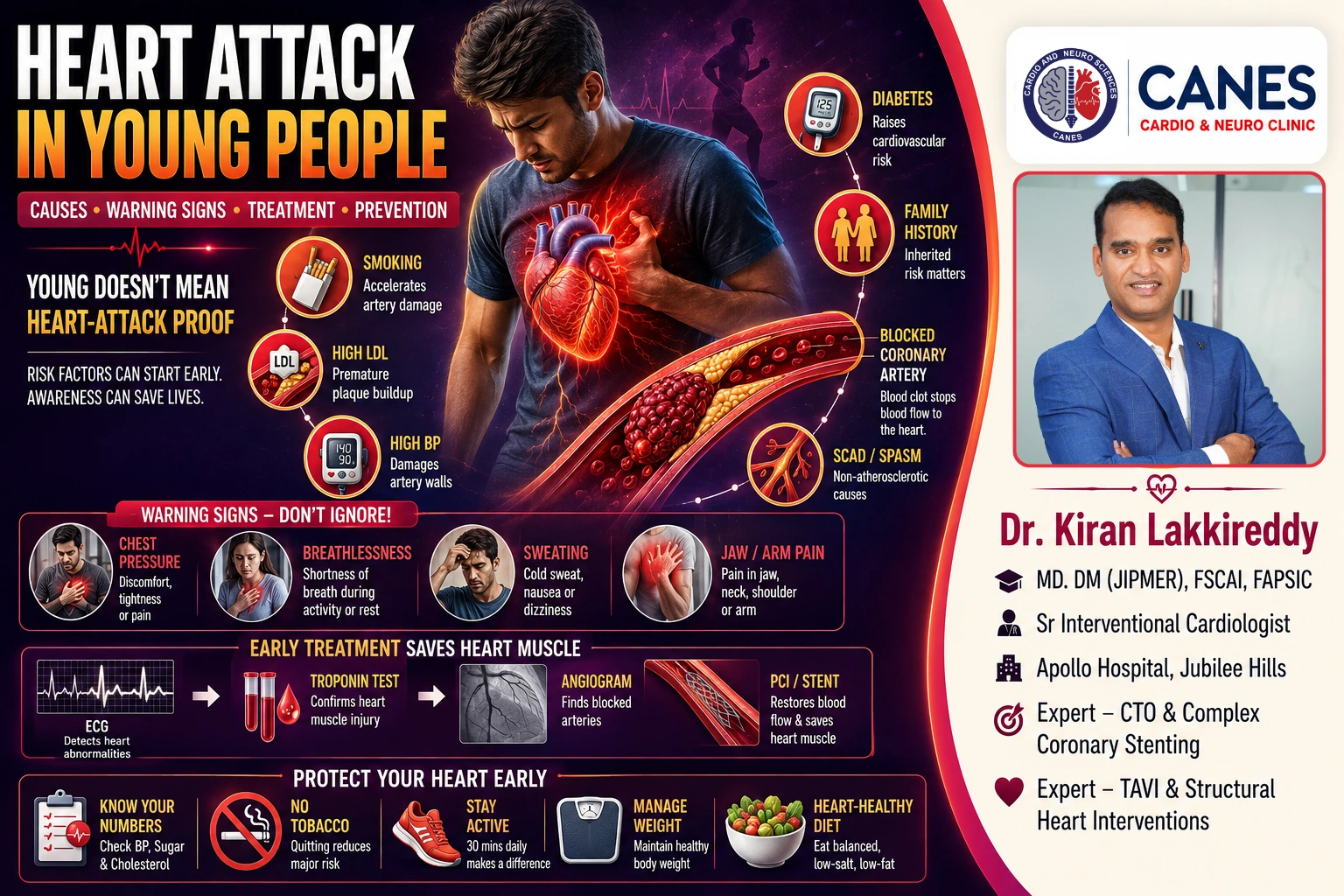
Although heart attacks are less common in younger adults than in older adults, they can still occur and may have important preventable risk factors. Age is certainly a prominent cardiovascular variable, but being in your 20s, 30s, or 40s does not make you completely immune to a heart attack. As awareness of early cardiovascular disease grows, it is essential to understand the underlying causes, recognize the warning signs, and take proactive steps toward lifelong heart health.
Quick Answer
Yes, women can have heart attacks, and their symptoms do not always match the dramatic, sudden collapse often depicted in media. While chest pain or discomfort is still the most common symptom, women may experience shortness of breath, unusual fatigue, nausea, back or jaw pain, and dizziness alongside or instead of prominent chest discomfort. Women also face unique cardiovascular risks linked to pregnancy complications, polycystic ovary syndrome (PCOS), menopause, and distinct vascular conditions like SCAD and MINOCA. A woman should never wait for severe, crushing chest pain before seeking emergency medical care.
What Is a Heart Attack?
A heart attack, or myocardial infarction (MI), occurs when blood flow to a portion of the heart muscle becomes severely reduced or completely blocked. Without a continuous supply of oxygen-rich blood, the affected heart tissue suffers injury and begins to die unless blood flow is promptly restored.
Detailed Explanation:
The coronary arteries supply blood and oxygen to the heart muscle. In traditional heart attacks, atherosclerotic plaque built up from cholesterol and cellular debris ruptures inside a coronary vessel. This rupture triggers the rapid formation of a blood clot that obstructs the arterial lumen.
When the blood supply is cut off, heart muscle cells sustain progressive damage. The extent of permanent myocardial injury depends directly on the location of the blockage and the time elapsed before reperfusion therapy is delivered. Because irreversible cellular damage progresses rapidly, any suspected heart attack represents a critical medical emergency.
What Are the Warning Signs of a Heart Attack in Women?
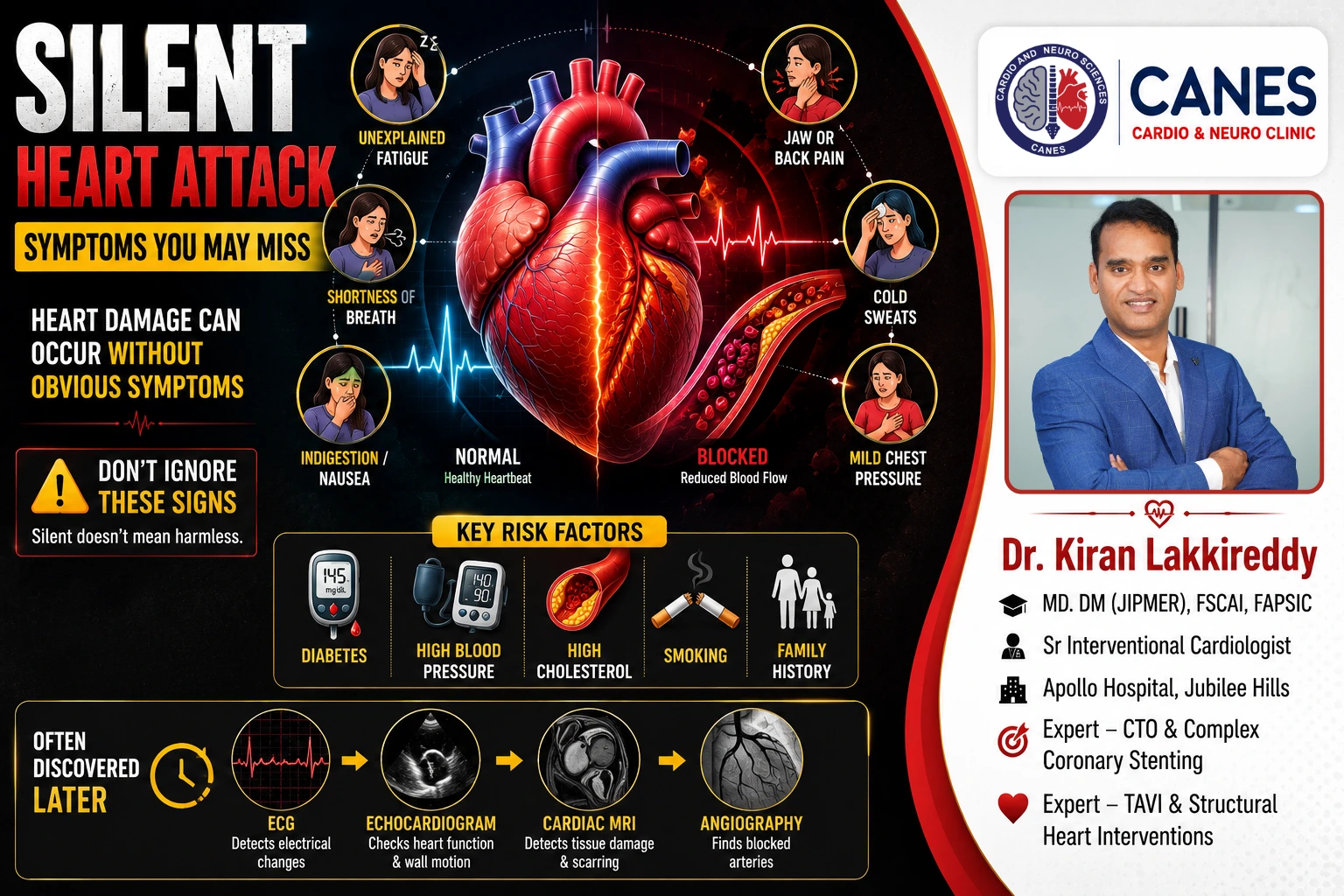
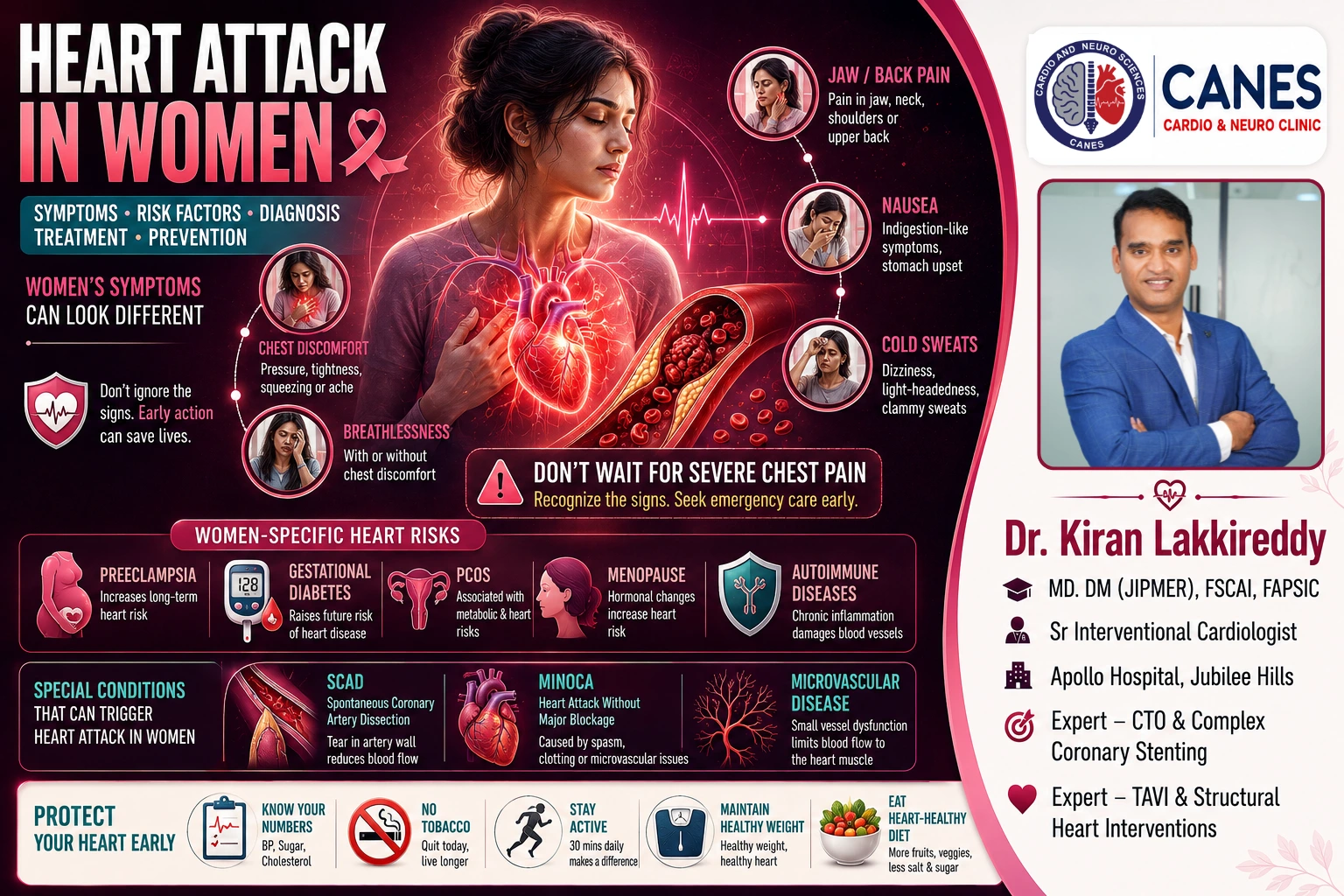
Chest discomfort is the most common symptom, but some women may experience additional or less-recognized warning signs, including shortness of breath, profound fatigue, neck, jaw, or upper back pain, nausea, cold sweats, and light-headedness.
Detailed Explanation:
The presentation of myocardial ischemia in women can be complex and multifactorial. Recognizing these diverse warning signs ensures timely clinical intervention:
- Chest Pain or Discomfort: Discomfort remains the most common symptom in both women and men, often described as pressure, tightness, squeezing, fullness, or an ache in the center or left side of the chest. It may be sharp, mild, or build gradually.
- Shortness of Breath: Breathlessness can occur with or without accompanying chest discomfort, whether resting or during light physical exertion.
- Unusual Fatigue or Weakness: This presents as overwhelming exhaustion or severe generalized weakness that interferes with basic daily tasks.
- Discomfort in the Upper Body: Ischemic pain frequently radiates beyond the chest, causing discomfort in one or both arms, shoulders, upper back, neck, or lower jaw.
- Nausea, Vomiting, and Indigestion: Gastrointestinal symptoms such as persistent nausea, stomach upset, or burning sensations are common and can be misinterpreted as simple acidity.
- Dizziness and Cold Sweats: Sudden light-headedness, clammy cold sweats, or a feeling that something is seriously wrong are important associated warning signs.
Key Takeaway: A heart attack in women does not always present as crushing chest pressure; persistent breathlessness, upper back discomfort, unexplained nausea, and profound fatigue demand immediate medical evaluation.
Why Are Heart Attacks Missed or Delayed in Women?
Heart attacks in women are often delayed because symptoms are frequently attributed to non-cardiac issues like stress, acid reflux, anxiety, or menopause. In addition, some women may experience additional or less-recognized symptoms, which can contribute to delays in seeking emergency care.
Detailed Explanation:
Because patients may present with less-recognized warning signs—such as jaw pain, nausea, and severe fatigue—they may wait hours or even days before seeking help, hoping the symptoms will resolve on their own. Many assume that because they do not feel dramatic, crushing chest pain, their heart cannot be the cause.
Furthermore, clinical misattribution can occur when symptoms are initially categorized as gastrointestinal distress or anxiety. While musculoskeletal and gastrointestinal conditions are common, cardiovascular disease must never be ruled out based on sensation or assumptions alone.
What Are the Unique Cardiovascular Risk Factors in Women?
In addition to traditional risk factors like hypertension, high cholesterol, smoking, and diabetes, women face unique cardiovascular risks related to pregnancy complications, polycystic ovary syndrome (PCOS), menopause, and systemic autoimmune diseases.
Detailed Explanation:
A woman’s cardiovascular profile is shaped by hormonal, reproductive, and inflammatory factors throughout her lifetime:
- Pregnancy History: Pregnancy complications can provide important clues about a woman’s future cardiovascular risk. Preeclampsia, gestational hypertension, and gestational diabetes are associated with a higher long-term risk of cardiovascular disease.
- Menopause and Cardiovascular Risk: During and after menopause, hormonal changes are associated with shifts in lipid levels, blood pressure, body-fat distribution, and vascular health. Reaching menopause before age 45 is associated with higher coronary heart disease risk.
- Polycystic Ovary Syndrome (PCOS): PCOS is frequently characterized by insulin resistance and metabolic abnormalities that contribute to long-term vascular risk.
- Autoimmune and Chronic Inflammatory Disorders: Conditions like systemic lupus erythematosus and rheumatoid arthritis are more prevalent in women and contribute to systemic arterial inflammation.
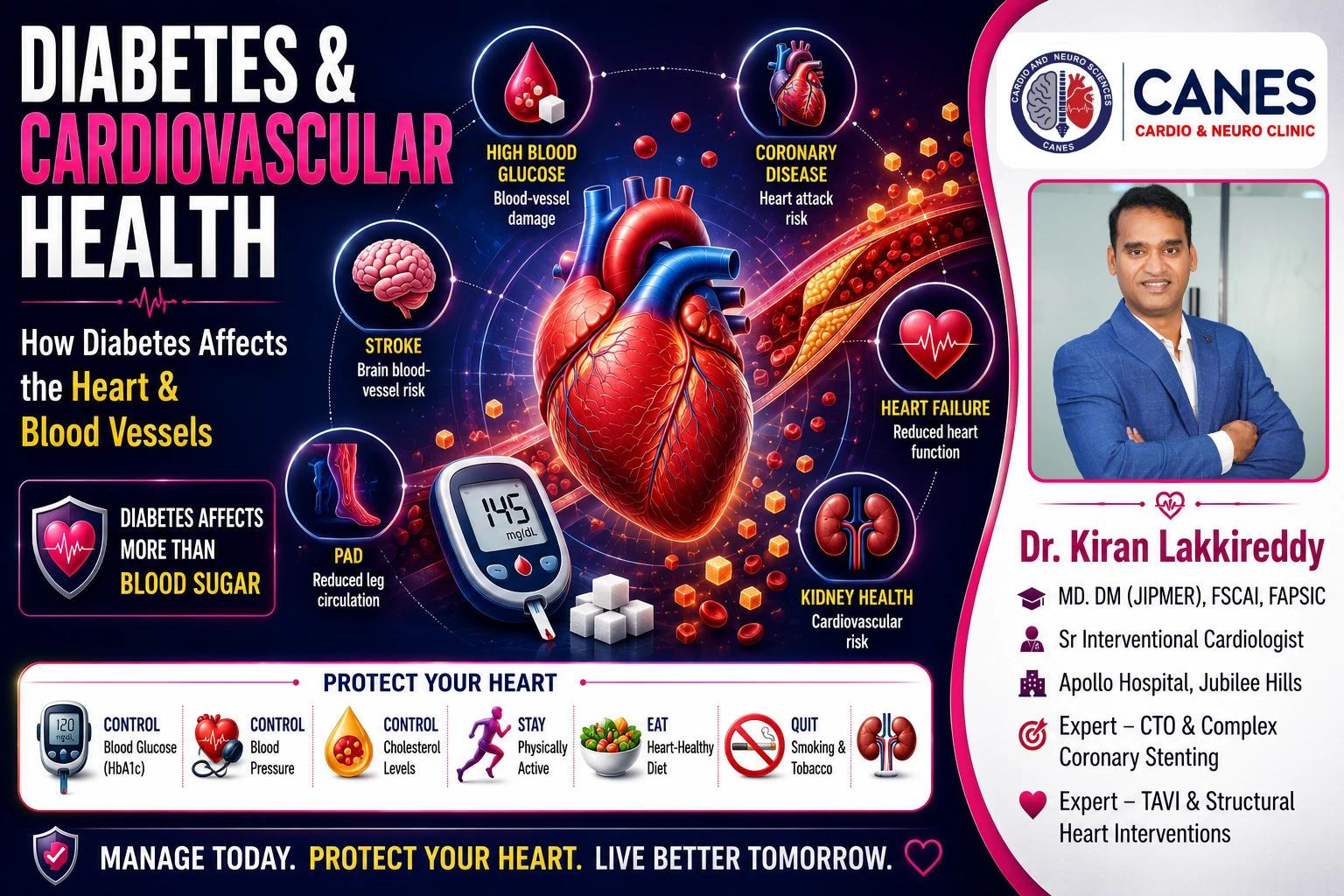
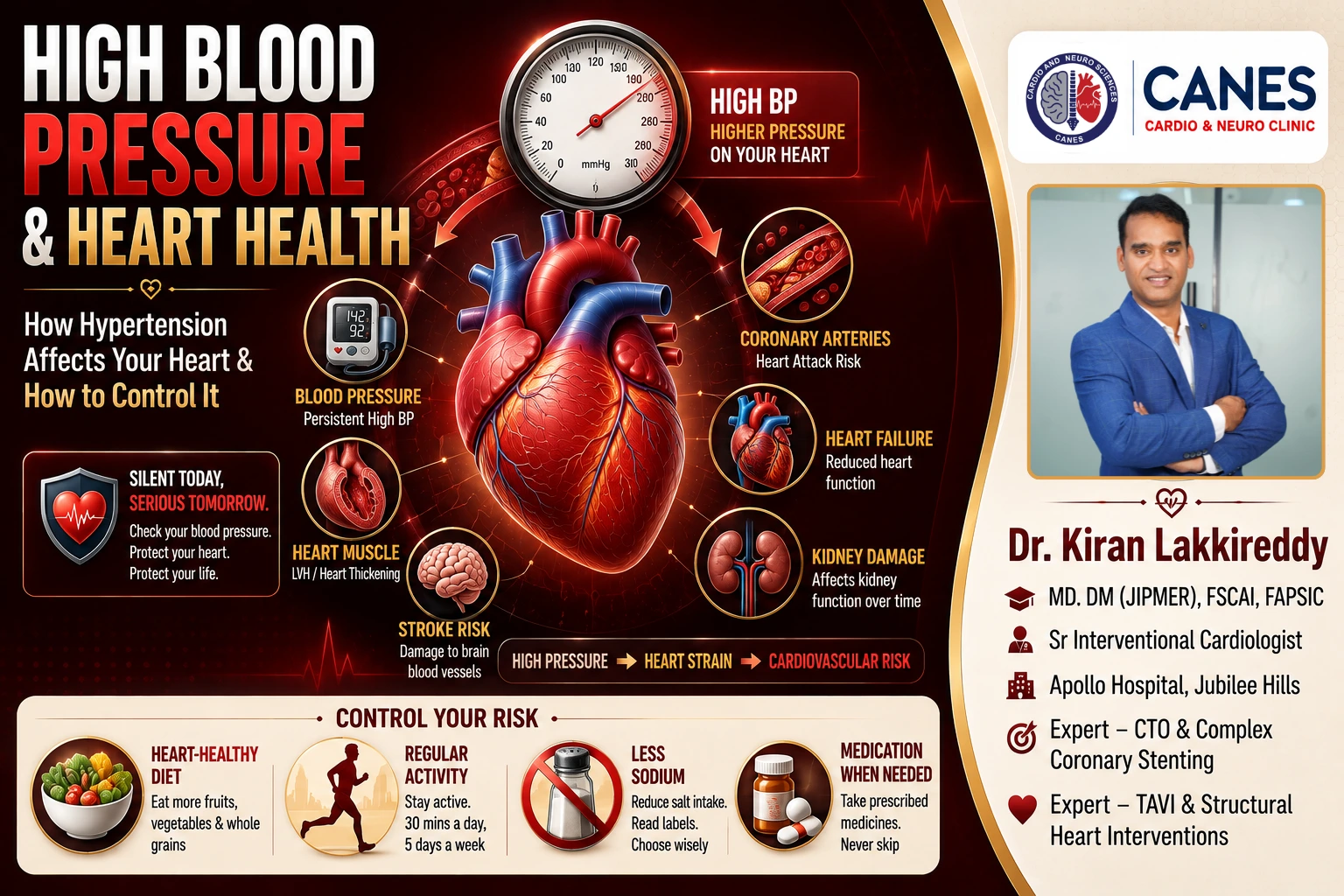
- Traditional Risk Factors: Type 2 diabetes, hypertension, elevated LDL cholesterol, obesity, physical inactivity, and tobacco use remain major contributors.
What Other Cardiac Conditions Affect Women?
Certain non-traditional cardiovascular conditions, including coronary microvascular disease and SCAD, are particularly important to recognize in women. Conditions such as MINOCA and Takotsubo cardiomyopathy also warrant careful evaluation.
Detailed Explanation:
Not all ischemic events result from a single large cholesterol blockage in a major artery:
Coronary Microvascular Disease: This condition affects the microscopic branching vessels of the coronary tree. While large arteries may appear clear on standard angiograms, impaired microvascular blood flow causes genuine myocardial ischemia, chest discomfort, and shortness of breath.
Spontaneous Coronary Artery Dissection (SCAD): SCAD occurs when an internal tear forms within the wall of a coronary artery, restricting blood flow. It disproportionately impacts young and middle-aged women, often in the absence of traditional cardiovascular risk factors.
MINOCA: MINOCA is a working diagnosis used when a patient meets criteria for myocardial infarction but coronary angiography shows no obstructive coronary artery disease (generally defined as no lesion greater than or equal to 50% stenosis), prompting further investigation into the underlying cause.
Takotsubo Cardiomyopathy: Triggered by acute physical or severe emotional stress, this condition causes temporary dysfunction of part of the heart muscle and closely mimics a heart attack on initial presentation.
Myth vs. Fact: Heart Attacks in Women
| Common Myth | Medical Fact |
Heart attacks are primarily a men’s health issue. | Cardiovascular disease is a leading cause of health complications and mortality in women. |
Women rarely experience chest pain during a heart attack. | Chest pain or pressure remains the most common presenting symptom in both women and men. |
A clear coronary angiogram means the heart is perfectly healthy. | Non-obstructive conditions like microvascular dysfunction, SCAD, and MINOCA can still cause myocardial ischemia. |
Heart disease risks only matter after menopause. | Pregnancy complications, PCOS, smoking, and genetics influence cardiovascular health across all ages. |
Broken heart syndrome is just emotional stress and not harmful. | Takotsubo cardiomyopathy causes genuine acute ventricular dysfunction requiring medical care. |
How Is a Heart Attack Diagnosed in Women?
Diagnosis involves a rapid clinical assessment incorporating a 12-lead electrocardiogram (ECG), high-sensitivity cardiac troponin blood tests, echocardiography, and coronary angiography when indicated.
Detailed Explanation
When evaluating suspected acute coronary syndrome, an ECG is performed promptly to assess electrical rhythms and identify ischemic patterns. Cardiac troponin blood tests detect microscopic injury to heart muscle fibers, providing objective biochemical evidence of myocardial damage.
Echocardiography is utilized to assess wall motion abnormalities and evaluate overall ejection fraction. Coronary angiography provides detailed anatomical visualization of the coronary arteries and can identify significant obstructive disease or features suggesting other coronary abnormalities. In cases where angiography shows non-obstructive arteries, advanced imaging modalities like Cardiac Magnetic Resonance (CMR) help identify conditions such as myocarditis, MINOCA, SCAD, or microvascular dysfunction. For a thorough diagnostic evaluation, an experienced cardiologist can help determine the underlying cause and appropriate treatment.
How Is a Heart Attack Treated in Women?
Treatment focuses on restoring myocardial perfusion through medications, percutaneous coronary intervention (PCI/stenting), or coronary artery bypass surgery (CABG), followed by guideline-directed medical therapy and cardiac rehabilitation.
Detailed Explanation
Therapeutic strategies are determined by the underlying cause, clinical stability, and the type of acute coronary syndrome (STEMI vs. NSTEMI):
Emergency Revascularization (PCI): For acute plaque ruptures and mechanical occlusions, primary angioplasty with stent placement is the clinical standard to restore blood flow.
Specialized Management for SCAD and MINOCA: In clinically stable patients with SCAD, conservative management is often preferred when there is no ongoing ischemia or other indication for urgent revascularization, though PCI or surgery may be required in selected high-risk cases.
Guideline-Directed Medical Therapy: Long-term regimens include antiplatelet agents, statins to stabilize plaque, beta-blockers, and ACE inhibitors to manage cardiac workload and optimize blood pressure.
Cardiac Rehabilitation: Comprehensive rehabilitation programs combine supervised aerobic exercise, nutritional counseling, and risk-factor modification to facilitate safe recovery and prevent recurrence.
How Can Women Prevent Cardiovascular Disease?
Cardiovascular prevention requires a multifactorial strategy: managing blood pressure and cholesterol, maintaining glucose control, avoiding tobacco, engaging in regular physical activity, and sharing full pregnancy and reproductive histories with healthcare providers.
Actionable Information:
- Monitor Blood Pressure & Lipids: Regularly evaluate blood pressure and complete lipid profiles, addressing elevations early through lifestyle adaptations or medical therapy.
- Incorporate Reproductive History: Inform your physician of past preeclampsia, gestational diabetes, preterm birth, or PCOS to personalize long-term cardiovascular risk assessments.
- Stay Physically Active: Aim for at least 150 minutes of moderate-intensity aerobic activity or 75 minutes of vigorous activity each week, with muscle-strengthening activity on at least 2 days per week, when medically appropriate.
- Adopt a Heart-Healthy Eating Pattern: Prioritize whole grains, leafy vegetables, legumes, lean proteins, and unsaturated fatty acids while minimizing trans fats, added sugars, and sodium.
- Avoid All Tobacco Exposure: Smoking cessation dramatically lowers the risk of acute coronary events and vascular inflammation.
- Seek Specialist Guidance: Regular cardiovascular checkups can help identify and manage risk factors before complications develop.
How Can CANES Cardio & Neuro Clinic Help?
The appropriate type and intensity of physical activity and cardiovascular management depend entirely on the individual. A healthy young adult requires very different guidance from someone managing coronary artery disease, heart failure, or recovering from a heart attack.
At CANES Cardio & Neuro Clinic, patients receive personalized cardiovascular evaluation and understandable guidance regarding heart conditions, risk factors, and safe physical activity.
Guided by Dr. Kiran Lakkireddy, an experienced interventional cardiologist specializing in complex cardiology, the clinic focuses on careful assessment, shared decision-making, and coordination with cardiac rehabilitation teams when indicated.
(Note: A routine clinic appointment is not appropriate for a suspected cardiovascular emergency. Severe chest discomfort, fainting, or marked breathlessness require immediate emergency medical assessment.)
Location: 3rd Floor, Tapasavi Commercial Complex, Hi-Tension Road, Kondapur, Hyderabad
Contact: +91 9014944654
Appointment Booking: Visit CANES Clinic Official Portal
Specialist Profile: Dr. Kiran Lakkireddy Official Website
Key Points to Remember
- Women can have heart attacks: Cardiovascular disease is not exclusively a male condition; women must remain proactive regarding heart health.
- Chest discomfort remains primary: While nausea, breathlessness, and back pain occur, chest discomfort is still the most frequent symptom in women.
- Pregnancy history matters: Preeclampsia and gestational diabetes serve as vital markers for future cardiovascular risk.
- Non-traditional mechanisms occur: SCAD, MINOCA, and microvascular disease are important causes of myocardial infarction in women.
- Emergency symptoms require urgent care: Never attempt to self-treat concerning chest pressure or unexplained breathlessness with home remedies or antacids.
Conclusion
Recognizing the complexities of a heart attack in women is essential for improving cardiac outcomes and preventing avoidable delays in treatment. While chest pain remains the most common symptom, some women may also experience less-recognized symptoms such as back pain, indigestion-like discomfort, and profound fatigue. Furthermore, accounting for unique reproductive milestones, menopause, and specialized conditions like SCAD ensures a complete clinical picture. For women seeking specialist cardiovascular evaluation in Kondapur, Dr. Kiran Lakkireddy and the team at CANES Cardio & Neuro Clinic provide comprehensive assessment and individualized care.
Medical Sources & Guidelines
This article is grounded in established cardiovascular research and evidence-based clinical practice guidelines from leading medical organizations, including:
AHA/ACC Guidelines for the Management of Patients With Acute Coronary Syndromes
American Heart Association (AHA) Scientific Statements on Cardiovascular Disease in Women
AHA/ACC Clinical Guidance on Spontaneous Coronary Artery Dissection (SCAD)
European Society of Cardiology (ESC) Guidelines on Cardiovascular Disease in Women and MINOCA
American College of Obstetricians and Gynecologists (ACOG) Practice Guidance on Pregnancy-Related Cardiovascular Risk
Medically Reviewed By: Dr. Kiran Lakkireddy Last Reviewed: August 2026
Medical Disclaimer: This article is for general educational information and does not replace consultation with a qualified healthcare professional. A routine clinic appointment is not appropriate for a suspected medical emergency. If you experience severe or persistent chest discomfort, significant breathlessness, fainting, loss of consciousness, or other possible heart-attack symptoms, seek immediate emergency medical attention.
Frequently Asked Questions (FAQs)
What is the most common heart-attack symptom in women?
Chest pain or discomfort remains the most common symptom, though it may present alongside shortness of breath, nausea, or radiating back and jaw pain.
Can a woman have a heart attack without chest pain?
Yes. Some women experience myocardial infarction presenting primarily with sudden severe breathlessness, unexplained fatigue, cold sweats, dizziness, or upper abdominal discomfort.
Can preeclampsia cause heart problems years after pregnancy?
Yes. A history of preeclampsia, gestational hypertension, or gestational diabetes is clinically recognized as a marker of increased lifetime cardiovascular risk.
What is the difference between SCAD and a traditional heart attack?
Many traditional heart attacks result from atherosclerotic plaque disruption and clot formation, whereas SCAD involves a spontaneous tear or separation within the coronary artery wall that can restrict blood flow.
Does every woman who experiences a heart attack need a stent?
No. While stenting is critical for acute atherosclerotic occlusions, non-obstructive causes like SCAD or MINOCA are often managed with tailored medical therapies instead.
Can stress cause a heart attack in women?
Severe physical or emotional stress can affect cardiovascular health, and conditions such as Takotsubo cardiomyopathy can occur after intense stress; however, new chest discomfort, breathlessness, or other possible heart-attack symptoms should never be attributed to stress without medical evaluation.
Can menopause increase the risk of heart disease?
Cardiovascular risk generally increases with age and changes around and after menopause, where changes in blood pressure, cholesterol, body-fat distribution, and vascular health contribute to increasing risk.
What is microvascular disease in women?
Coronary microvascular disease affects the small blood vessels of the heart, producing significant ischemic symptoms even when standard coronary angiography does not show a major obstructive blockage.
Expert Care
Hyderabad's leading Cardio & Neuro specialists.