● Lifestyle & Prevention
Heart Attack in Young People: Causes, Symptoms & Prevention
Table of Contents
- Introduction
- What Is a Heart Attack?
- What Causes a Heart Attack in a Young Person?
- What Is Familial Hypercholesterolemia?
- What Is Spontaneous Coronary Artery Dissection (SCAD)?
- What Are the Warning Signs of a Heart Attack?
- How Is a Heart Attack Diagnosed in a Young Person?
- What Are STEMI and NSTEMI?
- How Is a Heart Attack Treated?
- Myth vs. Fact: Heart Attacks in Young Adults
- How Can a Heart Attack in a Young Person Be Prevented?
- How Can CANES Cardio & Neuro Clinic Help?
- FAQs
Book a Consultation
Prevention is better than cure. Talk to our specialists today.
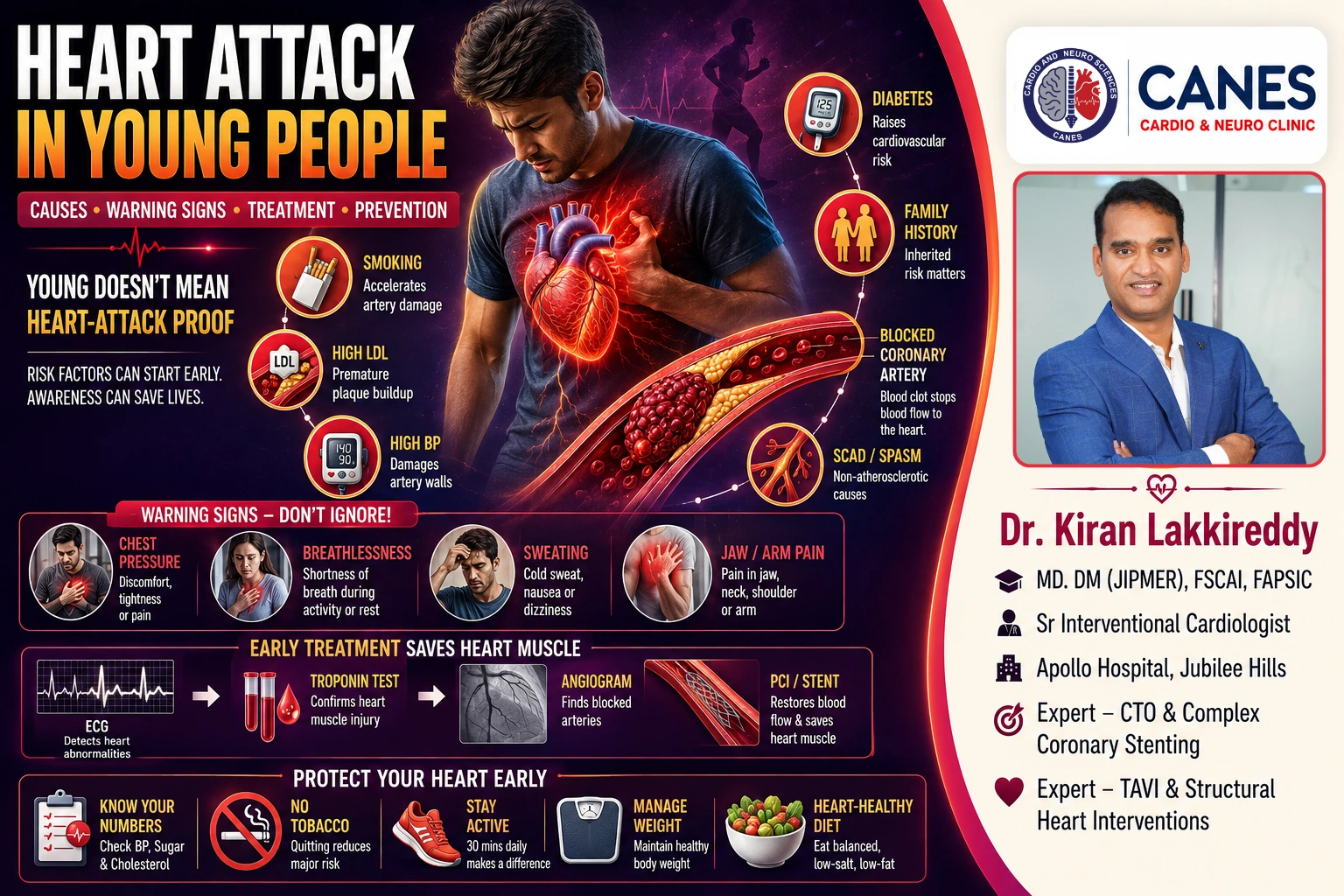
Although heart attacks are less common in younger adults than in older adults, they can still occur and may have important preventable risk factors. Age is certainly a prominent cardiovascular variable, but being in your 20s, 30s, or 40s does not make you completely immune to a heart attack. As awareness of early cardiovascular disease grows, it is essential to understand the underlying causes, recognize the warning signs, and take proactive steps toward lifelong heart health.
Quick Answer
Yes, a heart attack can occur in a young person. Although heart attacks are more commonly associated with increasing age, younger adults can develop coronary artery disease or experience a heart attack because of factors such as a strong family history, high LDL cholesterol, high blood pressure, diabetes, smoking, and abdominal obesity. Most importantly, significant chest discomfort or other possible heart-attack symptoms should never be dismissed simply because someone is young.
What Is a Heart Attack?
A heart attack, medically called a myocardial infarction (MI), occurs when the blood supply to part of the heart muscle becomes severely reduced or blocked, usually by a blood clot. Without adequate blood and oxygen, the heart-muscle tissue can become injured and potentially die if circulation is not rapidly restored.
Detailed Explanation:
The heart muscle needs a continuous supply of oxygen-rich blood, which reaches it through the coronary arteries. In the most common form of heart attack, atherosclerotic plaque develops within a coronary artery. This plaque is made up of cholesterol, fatty deposits, and other cellular waste. If this plaque becomes disrupted or ruptures, a blood clot can rapidly form over the rupture site. This clot can suddenly reduce or completely stop blood flow through the artery.
Because heart muscle damage happens quickly and is often irreversible once completed, a suspected heart attack is a strict medical emergency. Early assessment and treatment matter immensely, as rapid medical intervention can restore blood flow, preserve heart function, and save a life.
What Causes a Heart Attack in a Young Person?
A heart attack in a younger adult may result from premature atherosclerosis driven by traditional risk factors like smoking, high blood pressure, and diabetes. It can also be caused by inherited conditions, or non-atherosclerotic issues such as spontaneous coronary artery dissection (SCAD), coronary artery spasm, or illicit drug use.
Detailed Explanation:
Atherosclerosis is the gradual accumulation of cholesterol-containing plaque within arterial walls, and it does not suddenly begin when someone reaches middle age. Cardiovascular risk factors can be present from adolescence or early adulthood, meaning a person’s chronological age does not always reflect the internal condition of their arteries.
Several key factors contribute to early heart attacks:
- Premature Coronary Artery Disease: Young adults with uncontrolled cholesterol, diabetes, or a strong genetic predisposition may develop significant artery disease much earlier than expected.
- Smoking and Tobacco Use: Tobacco damages the artery lining, increases inflammation, promotes blood clot formation, and accelerates plaque development. It remains one of the most significant preventable risk factors for young adults.
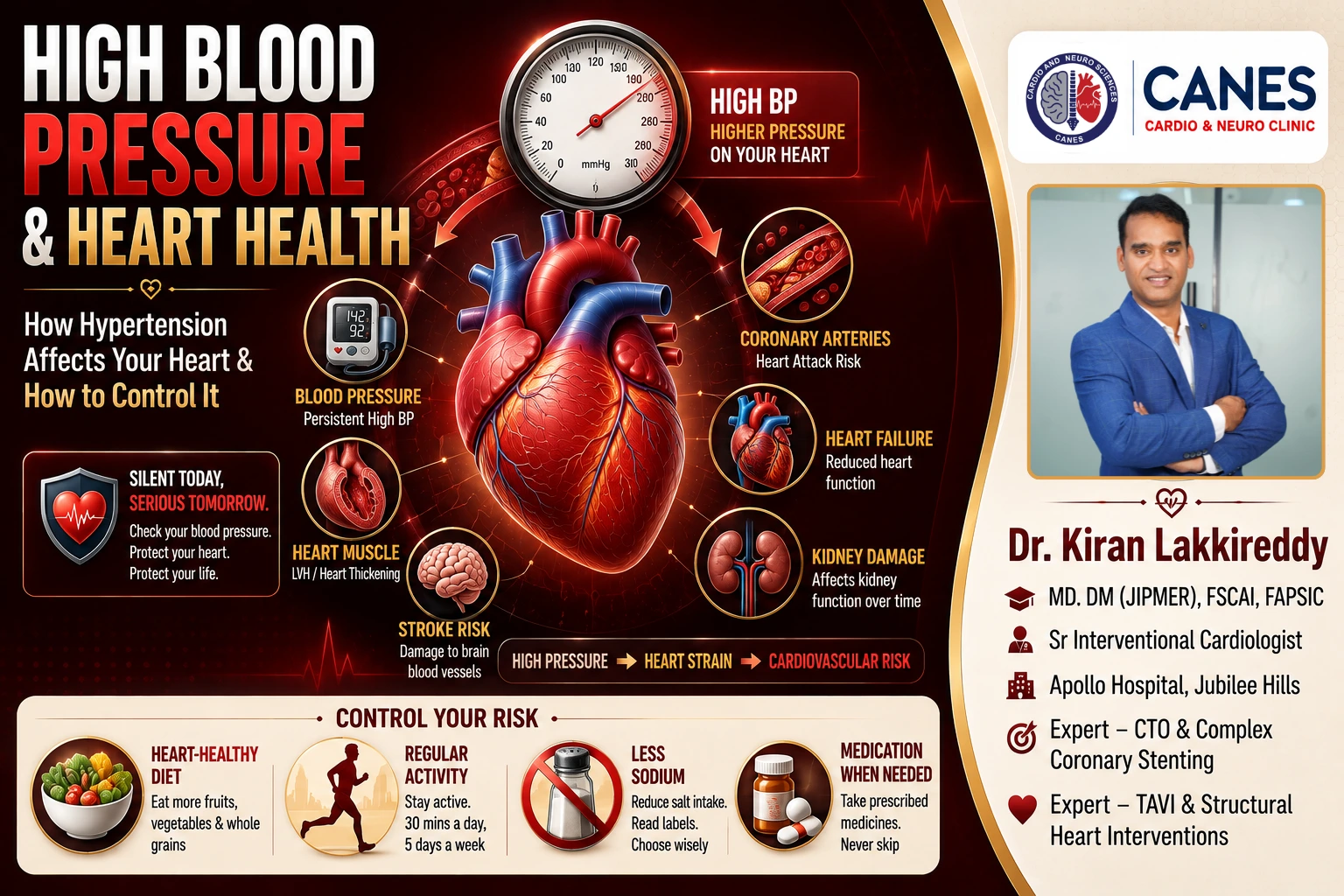
- High Blood Pressure: Persistently elevated blood pressure damages artery walls and increases strain on the heart, but it often causes no obvious symptoms, meaning young adults may remain completely unaware they have it.
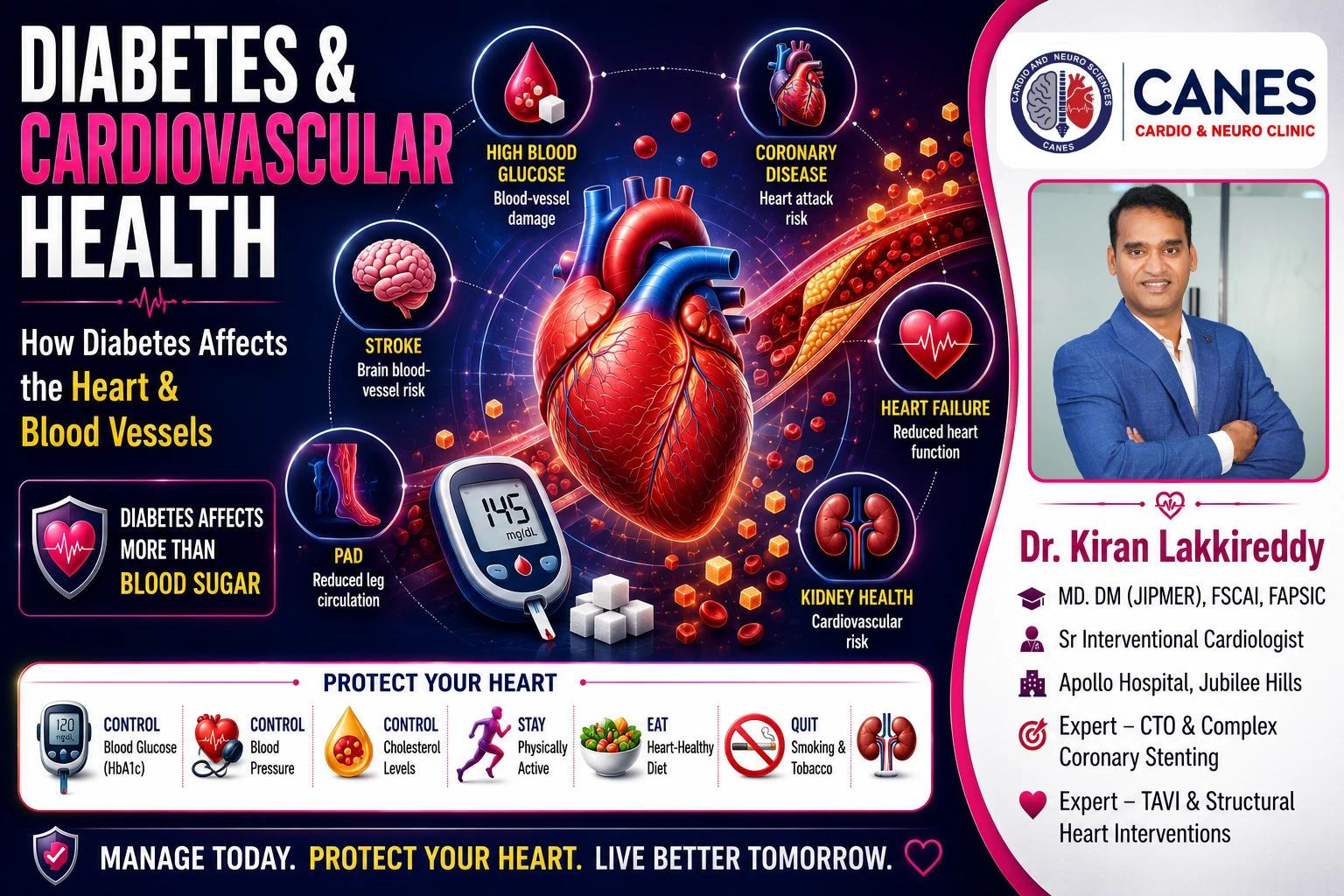
- Diabetes and Prediabetes: High blood glucose damages blood vessels over time. Young adults with diabetes, particularly when associated with obesity, face an increased risk of premature atherosclerosis.
- Lifestyle Factors: A sedentary lifestyle, chronic high stress, poor sleep, and excessive alcohol or recreational drug use can contribute to increased cardiovascular risk.
- Coronary Artery Spasm: A temporary tightening of a coronary artery can significantly reduce blood flow and, in some cases, trigger myocardial infarction even without a major fixed blockage.
Key Takeaway: Young age lowers average risk, but it does not eliminate the effects of significant cholesterol abnormalities, smoking, diabetes, hypertension, or inherited cardiovascular disease.
What Is Familial Hypercholesterolemia?
Familial hypercholesterolemia (FH) is a genetic disorder that causes dangerously high levels of LDL (bad) cholesterol starting from birth. It is one of the most important identifiable causes of premature cardiovascular disease in young adults.
Detailed Explanation:
Because FH is an inherited condition, a person’s liver is unable to effectively recycle LDL cholesterol, causing it to build up in the bloodstream. Since this elevation is present from childhood, the coronary arteries are exposed to heavy cholesterol burdens for decades before a person even reaches their 30s. This can cause premature coronary artery disease and trigger a heart attack at a young age.
A strong family history of early heart attacks or very high cholesterol should prompt early testing. Early identification is crucial because lifestyle changes alone are typically not enough to manage FH; it often requires targeted cholesterol-lowering medication under the guidance of a cardiologist to effectively reduce cardiovascular risk.
What Is Spontaneous Coronary Artery Dissection (SCAD)?
Spontaneous coronary artery dissection, or SCAD, occurs when a separation or tear develops within the wall of a coronary artery, restricting blood flow and causing a heart attack.
Detailed Explanation:
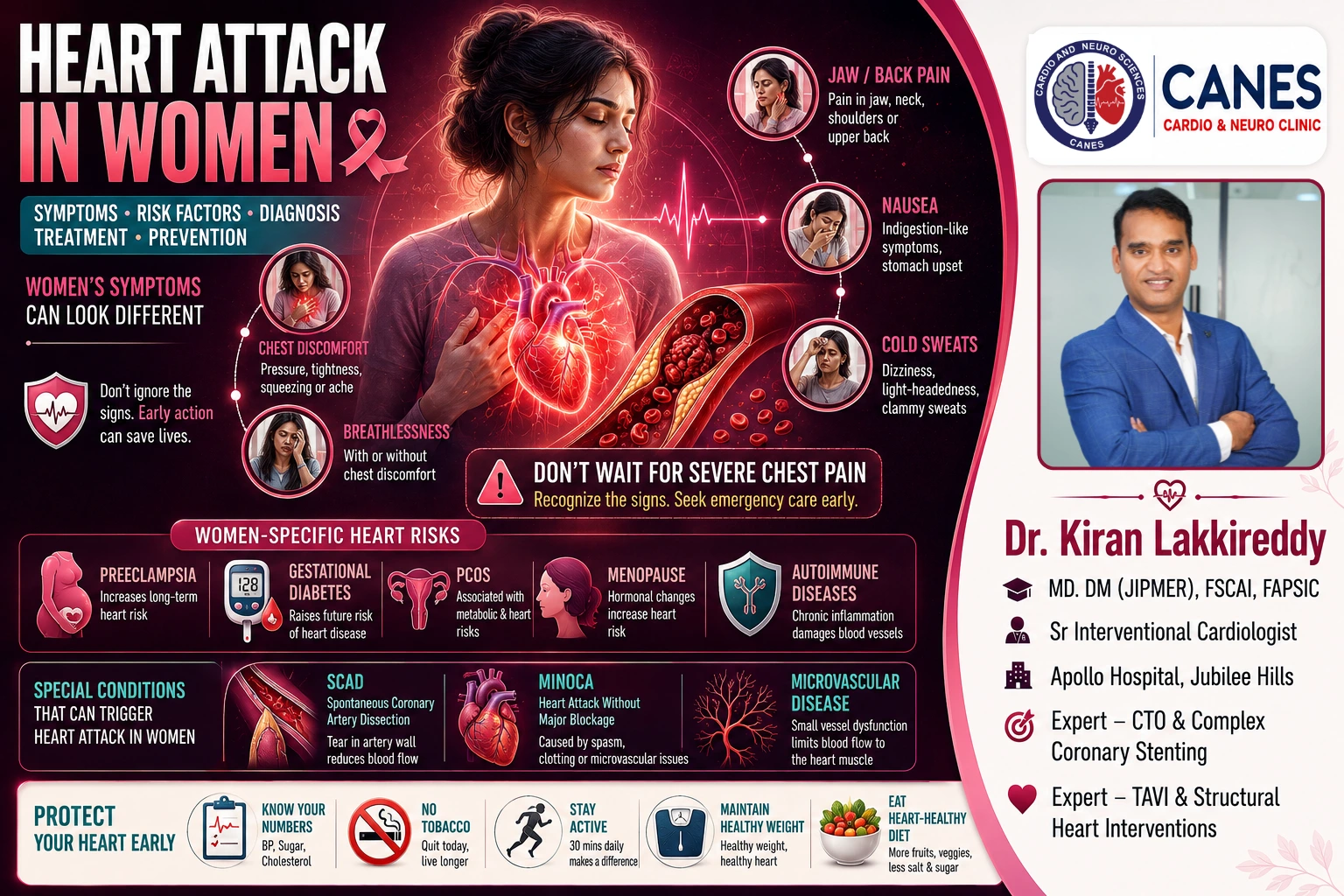
Not every heart attack in a young person comes from cholesterol plaque. SCAD is a critical condition because it can occur in young, otherwise healthy individuals who do not have the usual atherosclerotic risk factors like high cholesterol or diabetes. It is seen more commonly in women. Recognizing SCAD is vital because it may require different, highly specialized treatment approaches compared to a traditional plaque-related heart attack. Advanced cardiac evaluation is necessary to accurately differentiate SCAD from standard atherosclerosis.
What Are the Warning Signs of a Heart Attack?
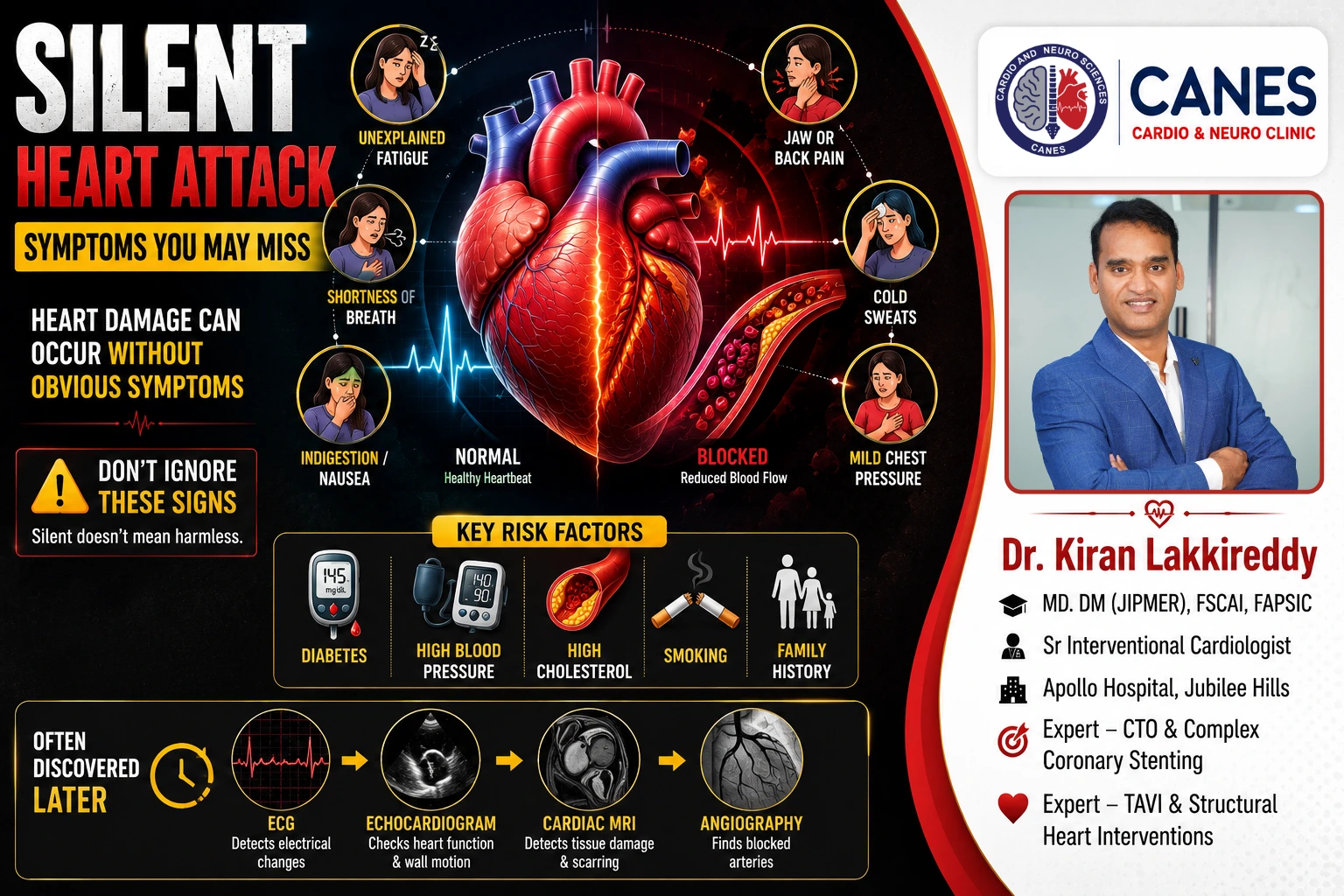
Common warning signs include pressure, tightness, squeezing, heaviness, or pain in the chest, which may spread to the arms, jaw, neck, shoulder, or back. Other symptoms include shortness of breath, nausea, vomiting, cold sweating, light-headedness, and sudden unusual weakness.
Detailed Explanation:
Some people experience warning symptoms before a heart attack, such as new or worsening chest discomfort during activity, unusual breathlessness, or reduced exercise tolerance. However, a heart attack can also occur suddenly without obvious preceding symptoms.
It is incredibly dangerous to dismiss symptoms because of age or physical fitness. Statements such as “I am only 30, so it cannot be my heart” can create dangerous, life-threatening delays in receiving emergency care.
Can a Heart Attack Feel Like Acidity or Gas?
Yes. Heart-related chest discomfort can sometimes be mistaken for acidity, indigestion, or gas. Because the symptoms can overlap, it is unsafe to assume that new, persistent, or severe chest discomfort is gastrointestinal without appropriate medical evaluation. Chest discomfort should be taken particularly seriously when it occurs with exertion, feels like pressure, spreads to the arm or jaw, or is accompanied by sweating and shortness of breath.
Are Heart Attack Symptoms Different in Women?
While women frequently experience typical chest pain or pressure, some may present with less obvious symptoms. These can include unusual fatigue, back or jaw discomfort, nausea, dizziness, or upper abdominal discomfort. Because these symptoms can easily be mistaken for stress, gastritis, or simple fatigue, clinical awareness and prompt medical evaluation are critical.
How Is a Heart Attack Diagnosed in a Young Person?
Diagnosis involves evaluating a patient’s medical history and symptoms alongside specialized cardiac testing. Doctors typically use an electrocardiogram (ECG) to check electrical changes, blood tests to measure troponin levels, echocardiography to assess heart function, and coronary angiography to visualize blockages.
Detailed Explanation:
An ECG is performed promptly in patients with suspected acute coronary syndrome to check for electrical changes indicative of a heart attack. Furthermore, blood tests for cardiac troponin help detect heart-muscle injury and are interpreted alongside symptoms, ECG findings, and other clinical information rather than in isolation.
Echocardiography (an ultrasound of the heart) assesses heart function and wall motion. If a severe blockage is suspected, coronary angiography is performed. This procedure visualizes the blocked artery directly using a specialized dye and X-rays, allowing a cardiac specialist to determine the exact location and severity of the issue.
What Are STEMI and NSTEMI?
STEMI and NSTEMI are the two main types of heart attacks based on ECG findings. A STEMI requires immediate emergency reperfusion, while an NSTEMI involves myocardial injury where treatment timing depends on clinical risk stratification.
Detailed Explanation:
- STEMI (ST-Elevation Myocardial Infarction): This is usually caused by a complete or near-complete coronary artery blockage. It causes a distinct pattern on an ECG and requires immediate emergency reperfusion, typically with primary percutaneous coronary intervention (PCI), to save the dying heart muscle.
- NSTEMI (Non-ST-Elevation Myocardial Infarction): This also involves myocardial injury from reduced coronary blood flow, but the ECG does not show the classic ST-elevation pattern. The artery may be only partially blocked. Treatment timing depends heavily on the patient’s clinical risk, symptoms, and medical findings.
How Is a Heart Attack Treated?
A heart attack is a medical emergency where the priority is to restore or preserve blood flow to the heart muscle. Treatment often involves percutaneous coronary intervention (PCI) to open blocked arteries with balloons and stents, alongside critical antiplatelet and cholesterol-lowering medications.
Detailed Explanation:
For many heart attacks caused by an acutely blocked coronary artery, PCI—commonly known as angioplasty and stenting—is the standard of care. During this procedure, an experienced interventional cardiologist guides a catheter to the coronary artery, uses a balloon to open the narrowed area, and places a small mesh tube called a stent to help keep the artery open.
Early treatment can significantly reduce heart muscle damage and improve long-term survival. However, not every heart attack requires the exact same intervention. For example, some non-atherosclerotic conditions like SCAD may require a different management strategy depending on the patient’s clinical condition and coronary anatomy. This highlights the need for specialized cardiac care and expert interventional cardiology evaluation.
Myth vs. Fact: Heart Attacks in Young Adults
| Common Myth | Medical Fact |
| Heart attacks happen only after 50 or 60. | Heart attacks are more common with increasing age, but younger adults in their 20s, 30s, and 40s can also be affected. |
| I exercise regularly, so I cannot have a heart attack. | Fitness is highly beneficial, but it does not completely eliminate genetic, metabolic, or other inherited cardiovascular risks. |
| Chest pain in a young person is usually acidity. | Many conditions cause chest discomfort; significant or concerning symptoms should be medically assessed rather than self-diagnosed. |
| Every young heart-attack patient has a cholesterol blockage. | Some heart attacks may result from mechanisms such as SCAD, coronary artery spasm, or other non-atherosclerotic causes. |
How Can a Heart Attack in a Young Person Be Prevented?
While not every cardiovascular event is preventable, proactively controlling major risk factors can substantially reduce risk. This includes managing blood pressure and cholesterol, avoiding tobacco, controlling diabetes, staying physically active, and proactively addressing family history.
Actionable Information:
- Know Your Numbers: Routine measurement can identify high blood pressure, elevated cholesterol, and blood sugar issues before complications develop. Young adults with strong family histories should pay particular attention to early screening.
- Avoid Tobacco: Smoking damages the heart and blood vessels, making it one of the most important preventable cardiovascular risk factors.
- Stay Physically Active: Aim for at least 150 minutes of moderate-intensity physical activity per week, or 75 minutes of vigorous activity, with muscle-strengthening activity on at least 2 days per week, when medically appropriate. People recovering from a heart attack or living with known cardiovascular disease should follow an individualized exercise plan, often through cardiac rehabilitation.
- Work Toward a Healthy Weight: Weight management is particularly useful when excess abdominal weight occurs alongside insulin resistance, hypertension, or abnormal cholesterol.
- Prioritize Sleep and Stress Management: Most adults should aim for around 7–9 hours of quality sleep each night. Chronic stress raises blood pressure and promotes inflammation, so building in daily stress management is highly beneficial.
- Eat a Heart-Healthy Diet: Eat more vegetables, whole grains, and lean proteins while cutting out highly processed foods, excess sodium, and added sugars.
How Can CANES Cardio & Neuro Clinic Help?
The appropriate type and intensity of physical activity and cardiovascular management depend entirely on the individual. A healthy young adult requires very different guidance from someone managing coronary artery disease, heart failure, or recovering from a heart attack.
At CANES Cardio & Neuro Clinic, patients receive personalized cardiovascular evaluation and understandable guidance regarding heart conditions, risk factors, and safe physical activity.
Guided by Dr. Kiran Lakkireddy, an experienced interventional cardiologist specializing in complex cardiology, the clinic focuses on careful assessment, shared decision-making, and coordination with cardiac rehabilitation teams when indicated.
(Note: A routine clinic appointment is not appropriate for a suspected cardiovascular emergency. Severe chest discomfort, fainting, or marked breathlessness require immediate emergency medical assessment.)
Location: 3rd Floor, Tapasavi Commercial Complex, Hi-Tension Road, Kondapur, Hyderabad
Contact: +91 9014944654
Appointment Booking: Visit CANES Clinic Official Portal
Specialist Profile: Dr. Kiran Lakkireddy Official Website
Key Points to Remember
- Young people can have heart attacks: Increasing age raises cardiovascular risk, but younger adults are not completely protected from coronary events.
- Family history matters: Premature heart disease in close relatives may indicate increased inherited risk, requiring earlier cardiovascular assessment.
- Do not dismiss symptoms: Concerning symptoms require appropriate medical evaluation; never automatically label chest pain as just acidity, gas, or anxiety.
- Prevention should begin early: Blood pressure, cholesterol, diabetes, smoking, physical activity, weight, nutrition, and sleep all deserve lifelong attention.
- A stent does not eliminate future risk: Appropriate medication, lifestyle measures, and long-term follow-up remain important after a heart attack to prevent a recurrence.
Conclusion
A heart attack in a young person is a serious medical emergency that proves cardiovascular disease is not exclusive to the elderly. Young age lowers average risk but does not eliminate it, and identifiable risk factors can sometimes cause premature cardiovascular disease. Younger adults frequently face premature atherosclerosis driven by smoking, hypertension, diabetes, and inherited conditions like familial hypercholesterolemia. Furthermore, non-atherosclerotic conditions such as SCAD and coronary vasospasm underscore why unexplained chest pain must never be dismissed as simple stress or acidity. Early prevention, lifestyle adjustments, and individualized medical evaluation are the most effective ways to protect your heart. For those seeking an experienced cardiologist in Hyderabad, Dr. Kiran Lakkireddy and the team at CANES Cardio & Neuro Clinic provide expert, comprehensive cardiology care to help young adults navigate their cardiovascular risks safely and effectively.
Medical Sources & Guidelines
This article is grounded in established cardiovascular research and evidence-based guidance, reflecting the recommendations of major professional medical organizations, including:
American Heart Association (AHA)
American College of Cardiology (ACC)
European Society of Cardiology (ESC)
Current peer-reviewed guidance on Spontaneous Coronary Artery Dissection (SCAD) and Familial Hypercholesterolemia.
Medically Reviewed By: Dr. Kiran Lakkireddy Last Reviewed: August 2026
Medical Disclaimer: This article is for general educational information and does not replace consultation with a qualified healthcare professional. A routine clinic appointment is not appropriate for a suspected medical emergency. If you experience severe or persistent chest discomfort, significant breathlessness, fainting, loss of consciousness, or other possible heart-attack symptoms, seek immediate emergency medical attention.
Frequently Asked Questions (FAQs)
Can a healthy young person have a heart attack?
Yes. A young person who appears physically healthy may still have an unrecognised risk factor such as very high cholesterol, hypertension, diabetes, or a strong inherited cardiovascular risk.
Can high cholesterol cause a heart attack at a young age?
Yes. Long-term exposure to elevated LDL cholesterol contributes to plaque formation inside coronary arteries; this is particularly critical in familial hypercholesterolemia, where cholesterol is highly elevated from an early age.
Can acidity feel exactly like a heart attack?
Heart-related chest discomfort can sometimes be mistaken for acidity, indigestion, or gas because the symptoms overlap; it is unsafe to assume new, severe chest discomfort is gastrointestinal without medical evaluation.
Can a young woman without high cholesterol have a heart attack?
Yes. Conditions such as spontaneous coronary artery dissection (SCAD) can cause myocardial infarction and disproportionately affect women, even those without typical atherosclerotic risk factors.
Does every heart attack require a stent?
No. Treatment depends on the type of myocardial infarction and its underlying mechanism; while stenting is vital for acute cholesterol blockages, other causes like SCAD may require a different management strategy.
Expert Care
Hyderabad's leading Cardio & Neuro specialists.