Dyslipidemia (High Cholesterol Levels) Treatment in Hyderabad
Home > Services > Dyslipidemia Treatment in Hyderabad
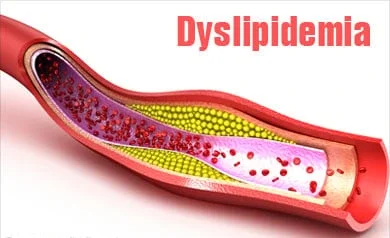
Dyslipidemia is a condition in which one or more blood lipid levels are abnormal. It may include high low-density lipoprotein cholesterol (LDL-C), high triglycerides, low high-density lipoprotein cholesterol (HDL-C), or increased levels of other atherogenic lipoproteins.
Dyslipidemia is important because excess atherogenic particles can enter the artery wall and contribute to atherosclerosis. Over time, this can increase the risk of coronary artery disease, heart attack, stroke, and peripheral artery disease. High cholesterol usually causes no symptoms, so a blood test is often the only way to identify it.
What Are LDL, HDL and Triglycerides?
Cholesterol is carried through the bloodstream in particles called lipoproteins. LDL cholesterol is often called “bad cholesterol” because higher LDL levels are strongly linked with cholesterol buildup in artery walls. Lowering LDL reduces the risk of atherosclerotic cardiovascular disease.
HDL is commonly described as “good cholesterol,” but it should not be viewed in isolation. A high HDL level does not cancel the risk created by high LDL or other major cardiovascular risk factors.
Triglycerides are another type of fat in the blood and are used by the body for energy storage. High triglycerides often occur with diabetes, obesity, excess alcohol intake, or diets rich in refined carbohydrates. A triglyceride level below 150 mg/dL is generally considered desirable, although treatment decisions depend on the complete risk profile.
What Causes Dyslipidemia?
Dyslipidemia can develop because of genetics, lifestyle factors, medical conditions, or a combination of these. Diets high in saturated fat, physical inactivity, obesity, tobacco exposure, and excess alcohol can contribute to abnormal lipid levels.
Diabetes, hypothyroidism, chronic kidney disease, liver disease, and some medicines may also affect cholesterol or triglyceride levels. For this reason, unexpectedly abnormal results sometimes require evaluation for an underlying secondary cause.
Some people inherit conditions such as familial hypercholesterolemia, or FH, which can cause very high LDL from an early age and increase premature cardiovascular risk. Current guidelines emphasize earlier identification and treatment of familial hypercholesterolemia to reduce lifelong exposure to high LDL.
Does High Cholesterol Cause Symptoms?
Usually, no. Dyslipidemia is often silent even when LDL cholesterol is very high. A person may feel completely healthy while atherosclerosis is gradually developing inside the arteries. A lipid profile is therefore necessary to detect high cholesterol.
Very high triglycerides can occasionally contribute to acute pancreatitis. The 2026 ACC/AHA guideline highlights triglyceride-lowering treatment for pancreatitis prevention especially when triglycerides are 1,000 mg/dL or higher.
How Is Dyslipidemia Diagnosed?
A lipid profile is the basic blood test used to evaluate cholesterol. It usually reports total cholesterol, LDL-C, HDL-C, and triglycerides. Testing may be performed fasting or non-fasting depending on the clinical situation.
The result should not be interpreted from total cholesterol alone. LDL goals depend on overall cardiovascular risk, including diabetes, kidney disease, smoking, blood pressure, family history, and established cardiovascular disease.
The 2026 ACC/AHA dyslipidemia guideline has brought back LDL-C and non-HDL-C treatment goals. For people at borderline or intermediate primary-prevention risk, an LDL-C goal below 100 mg/dL may be appropriate, while those at high risk may have a goal below 70 mg/dL. In people with established atherosclerotic cardiovascular disease who are at very high risk, the recommended LDL-C goal is below 55 mg/dL.
What Are ApoB and Lipoprotein(a)?
A standard lipid profile provides enough information for many patients, but additional tests can improve cardiovascular risk assessment in selected situations.
Apolipoprotein B, or ApoB, reflects the number of atherogenic lipoprotein particles. The 2026 guideline states that ApoB can be particularly useful when triglycerides are above 200 mg/dL, in people with diabetes, or when LDL-C has already been lowered below 70 mg/dL but residual lipid-related risk remains.
Lipoprotein(a), or Lp(a), is largely determined by genetics. Current guidance recommends measuring Lp(a) at least once to identify people with increased inherited cardiovascular risk. An Lp(a) level of 125 nmol/L, or 50 mg/dL, or higher is considered a risk-enhancing factor. Elevated Lp(a) can support more intensive LDL reduction and management of other modifiable cardiovascular risks.
How Is Cardiovascular Risk Assessed?
Treatment is based on more than one cholesterol number. In adults without known cardiovascular disease, clinicians consider the overall probability of developing atherosclerotic cardiovascular disease. The 2026 ACC/AHA guideline incorporates the PREVENT-ASCVD risk equations to guide primary-prevention decisions in appropriate adults.
When treatment decisions remain uncertain, coronary artery calcium, or CAC, scoring may help refine risk in selected patients. Current guidance supports selective CAC testing in men from age 40 and women from age 45 when cardiovascular risk is borderline or intermediate and the result could influence treatment.
Patients with established atherosclerotic cardiovascular disease generally require more intensive LDL reduction.
How Is Dyslipidemia Treated?
Lifestyle improvement is recommended for everyone with abnormal lipids, but medicines are often needed when cardiovascular risk is high or LDL remains above the appropriate goal.
Statins are the foundation of LDL-lowering drug therapy because they have strong evidence for reducing atherosclerotic cardiovascular events. The intensity of treatment depends on baseline LDL, age, associated conditions, previous cardiovascular events, and the LDL reduction required.
The 2026 guideline also supports earlier consideration of LDL-lowering therapy in certain higher-risk individuals, including adults aged 40 to 75 with diabetes or stage 3 or 4 chronic kidney disease, regardless of the starting LDL level.
Patients should not stop statins simply because a later cholesterol result becomes normal. The improvement may reflect the effect of treatment, and stopping medication may allow LDL to rise again.
What If Statins Are Not Enough?
When LDL remains above the recommended goal despite an appropriate statin dose, additional medicines can be considered according to cardiovascular risk.
Ezetimibe reduces intestinal cholesterol absorption and can be added to statin therapy. PCSK9 monoclonal antibodies produce substantial LDL reductions and may be used in selected high-risk patients. Bempedoic acid is another evidence-based option for appropriate patients, particularly when additional LDL lowering is needed or statin tolerance is a concern.
Treatment should be individualized.
How Can Lifestyle Improve Cholesterol?
A heart-healthy eating pattern emphasizes vegetables, fruits, whole grains, legumes, nuts, seeds, unsaturated fats, and suitable sources of lean protein. Reducing saturated fat and replacing it with healthier unsaturated fats can support LDL reduction.
Regular physical activity, healthy weight management, avoiding tobacco, and limiting excess alcohol support cardiovascular health. Reducing refined carbohydrates is especially useful when triglycerides are elevated.
Lifestyle treatment remains important even when medicines are prescribed because cholesterol control is only one part of preventing cardiovascular disease.
Frequently Asked Questions:-
Is dyslipidemia the same as high cholesterol?
Not exactly. High cholesterol is a common form of dyslipidemia, but dyslipidemia can also include high triglycerides, low HDL, or abnormalities in other atherogenic lipoproteins.
Is LDL the most important cholesterol number?
LDL-C is a major treatment target because of its important role in atherosclerotic cardiovascular disease. However, triglycerides, non-HDL cholesterol, ApoB, Lp(a), and overall cardiovascular risk can also provide useful information.
Can cholesterol be high even if I eat healthy food?
Yes. Genetics, age, diabetes, thyroid disease, kidney disease, and other factors can contribute. Familial hypercholesterolemia can cause very high LDL despite a healthy lifestyle.
Do I need cholesterol medicine for life?
Some people require long-term treatment because their cardiovascular risk or genetic tendency remains present. The need for medication should be reviewed with the treating doctor rather than stopped based on one improved test result.
What should my LDL level be?
There is no single target for everyone. Depending on cardiovascular risk, current guideline goals may be below 100 mg/dL, below 70 mg/dL, or below 55 mg/dL in very high-risk patients with established cardiovascular disease.
Can high cholesterol cause a heart attack?
High levels of LDL and other atherogenic lipoproteins contribute to plaque buildup in coronary arteries. This atherosclerotic disease increases the risk of heart attack and other cardiovascular events.
Dyslipidemia Treatment in Hyderabad
People with high LDL cholesterol, high triglycerides, diabetes, hypertension, kidney disease, a strong family history of premature heart disease, or established coronary or vascular disease may benefit from structured cardiovascular risk assessment.
Dr. Kiran Lakkireddy’s cardiac practice in Hyderabad provides cardiovascular evaluation and management for patients with dyslipidemia and associated heart-risk factors. Assessment may include a lipid profile, evaluation of blood pressure and diabetes, ApoB or Lp(a) testing when appropriate, and additional cardiovascular testing based on symptoms and overall risk.
Treatment is individualized and may combine lifestyle changes, statin therapy, and additional lipid-lowering medicines when needed to achieve an appropriate risk-based LDL goal and reduce long-term cardiovascular risk.