Diabetes Management in Hyderabad
Home > Services > Diabetes Management in Hyderabad
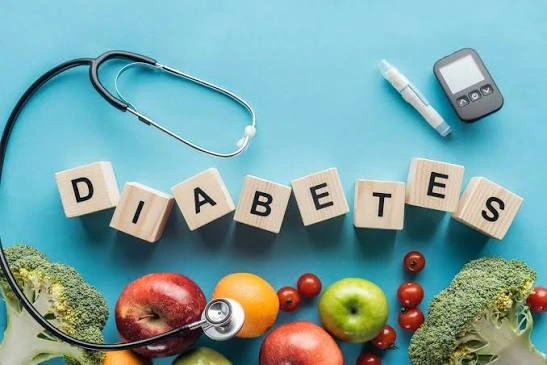
Diabetes is a chronic metabolic condition in which blood glucose levels remain higher than normal because the body does not produce enough insulin, cannot use insulin effectively, or both. Over time, persistently elevated glucose can damage blood vessels and organs, including the heart, brain, kidneys, eyes, and nerves. Diabetes is especially important in cardiology because it increases the risk of coronary artery disease, heart attack, stroke, heart failure, peripheral artery disease, and kidney disease.
Many people with type 2 diabetes have few symptoms for years, so diagnosis may occur during routine blood testing or after another health problem is identified. Good diabetes care therefore involves more than controlling sugar alone. Blood pressure, cholesterol, kidney function, body weight, smoking, physical activity, and overall cardiovascular risk also need attention.
What Are the Main Types of Diabetes?
Type 1 diabetes develops when the immune system destroys the insulin-producing cells of the pancreas. People with type 1 diabetes require insulin treatment. It can begin in childhood, adolescence, or adulthood.
Type 2 diabetes is the most common form. It develops when the body becomes resistant to insulin and may also gradually lose the ability to produce enough insulin. Family history, excess body weight, physical inactivity, age, and metabolic factors can increase risk, although type 2 diabetes can occur without obesity.
Other forms include gestational diabetes and diabetes related to certain pancreatic diseases, hormonal disorders, genetic conditions, or medicines. Treatment depends on the type of diabetes and the individual patient’s health.
What Symptoms Can Diabetes Cause?
Common symptoms include increased thirst, frequent urination, tiredness, blurred vision, unexplained weight loss, and other symptoms related to high blood glucose. Type 1 diabetes can develop relatively quickly, while symptoms of type 2 diabetes may be mild and progress gradually over several years.
Some people have no obvious symptoms. This is one reason appropriate screening is important, particularly when risk factors such as excess body weight, family history, high blood pressure, abnormal cholesterol, or other metabolic and cardiovascular risks are present.
How Is Diabetes Diagnosed?
Diabetes can be diagnosed using HbA1c, fasting plasma glucose, an oral glucose tolerance test, or random plasma glucose when classic symptoms are present. HbA1c reflects average blood glucose over approximately the previous two to three months.
An HbA1c of 6.5% or higher is within the diagnostic range for diabetes. A fasting plasma glucose of 126 mg/dL or higher or a two-hour glucose value of 200 mg/dL or higher during an oral glucose tolerance test also meets diagnostic criteria. In someone with classic symptoms of hyperglycemia, random plasma glucose of 200 mg/dL or higher can establish diabetes. When hyperglycemia is not unequivocal, abnormal results generally require confirmation.
Why Is Diabetes Important for Heart Health?
Diabetes is considered an important modifiable cardiovascular risk factor. People living with type 2 diabetes have a greater likelihood of developing cardiovascular conditions such as heart attack, stroke, and heart failure than people without diabetes.
Risk becomes even greater when diabetes occurs together with high blood pressure, abnormal cholesterol, obesity, smoking, kidney disease, or physical inactivity. Insulin resistance is also commonly associated with a combination of high triglycerides, lower HDL cholesterol, increased blood pressure, and excess body weight, all of which can contribute to cardiovascular risk.
Diabetes is also closely connected with heart failure and chronic kidney disease. Cardiovascular and kidney protection should therefore be considered as part of diabetes management rather than focusing on HbA1c alone.
Can Diabetes Cause a Silent Heart Attack?
Some people with diabetes may experience less typical symptoms when there is reduced blood flow to the heart. Instead of obvious severe chest pain, symptoms can include unusual breathlessness, fatigue, sweating, nausea, dizziness, weakness, or reduced exercise capacity.
However, this does not mean that every person with diabetes needs routine cardiac testing without symptoms. Cardiovascular evaluation should be based on the person’s symptoms, age, duration of diabetes, associated risk factors, examination findings, and overall clinical situation.
How Is Diabetes Managed?
Diabetes treatment is individualized. The aim is to control blood glucose while reducing the risk of heart, kidney, eye, nerve, and vascular complications. HbA1c targets are not identical for every person. Age, duration of diabetes, risk of hypoglycemia, kidney function, cardiovascular disease, other illnesses, and treatment burden can influence the appropriate goal.
Lifestyle management remains an important foundation of care. A balanced eating pattern, suitable calorie intake, regular physical activity, healthy weight management, good sleep, and avoidance of tobacco can support glucose control and cardiovascular health. Physical activity can also improve insulin sensitivity, blood pressure, and overall cardiovascular fitness.
Medicines may include metformin, insulin, SGLT2 inhibitors, GLP-1 receptor agonists, and other glucose-lowering therapies depending on the patient’s needs. Modern diabetes treatment considers not only how much a medicine lowers glucose but also whether the patient has cardiovascular disease, heart failure, chronic kidney disease, obesity, or significant risk of hypoglycemia.
Which Diabetes Medicines Can Protect the Heart and Kidneys?
For selected people with type 2 diabetes, some glucose-lowering medicines provide benefits beyond blood sugar reduction.
SGLT2 inhibitors have demonstrated important benefits in appropriate patients with chronic kidney disease and heart failure. Current ADA guidance recommends an SGLT2 inhibitor for many patients with type 2 diabetes and chronic kidney disease when kidney function is suitable because these medicines can slow kidney disease progression and reduce cardiovascular and heart-failure risk.
GLP-1 receptor agonists with demonstrated cardiovascular benefits may also be selected when cardiovascular risk reduction is an important treatment priority.
These medicines are not automatically suitable for everyone. Kidney function, other illnesses, side effects, hydration, current medicines, and the overall diabetes treatment plan need to be considered before treatment is selected.
Why Are Blood Pressure and Cholesterol Important?
Controlling blood glucose alone is not enough to reduce cardiovascular risk. High blood pressure and abnormal cholesterol are common in people with type 2 diabetes and can significantly increase the likelihood of heart disease and stroke.
Cholesterol-lowering treatment may be recommended depending on age, LDL cholesterol level, cardiovascular disease, and overall risk. Blood-pressure treatment is also individualized. Managing glucose, blood pressure, cholesterol, smoking, and body weight together provides a more complete approach to cardiovascular prevention.
How Are the Kidneys Monitored?
Diabetes is an important cause of chronic kidney disease, and kidney damage may develop before obvious symptoms appear. Kidney assessment commonly includes serum creatinine with an estimated glomerular filtration rate, or eGFR, together with testing for albumin in the urine.
Identifying kidney involvement can influence diabetes medicines, blood-pressure treatment, and cardiovascular prevention. Some modern therapies can simultaneously reduce the risk of kidney disease progression and cardiovascular complications in suitable patients.
What Lifestyle Changes Help?
Regular physical activity supports glucose control, insulin sensitivity, blood pressure, fitness, and cardiovascular health. The type and intensity of exercise should be adjusted according to age, physical fitness, heart disease, joint problems, and other medical conditions.
Food choices should emphasize appropriate portions and a balanced pattern containing vegetables, whole grains, pulses, suitable protein sources, and minimally processed foods. Sugary drinks and frequent highly refined foods should be limited. Weight reduction can significantly improve metabolic health in people with overweight or obesity.
Smoking should be avoided because it further increases the risk of heart disease and stroke in people with diabetes.
When Is High or Low Blood Sugar an Emergency?
Very high blood glucose can lead to serious emergencies such as diabetic ketoacidosis, or DKA, and hyperosmolar hyperglycemic state, or HHS. These conditions require urgent medical assessment and treatment.
Low blood sugar, called hypoglycemia, can occur with insulin and certain diabetes medicines. Symptoms may include sweating, shaking, hunger, palpitations, confusion, or abnormal behavior. Severe hypoglycemia causing unconsciousness or seizures requires urgent treatment.
Frequently Asked Questions:-
Is diabetes only a sugar problem?
No. Diabetes is a metabolic condition that can affect blood vessels, the heart, kidneys, eyes, and nerves. Long-term management should consider glucose together with cardiovascular and kidney risk.
What is HbA1c?
HbA1c is a blood test that reflects average blood glucose over roughly the previous two to three months. It is used both to help diagnose diabetes and to monitor long-term glucose control.
Does every patient with type 2 diabetes need insulin?
No. Treatment varies between patients. Many people can be treated with lifestyle changes and non-insulin medicines, while insulin is necessary for others depending on glucose levels, symptoms, illness, and response to treatment.
Can diabetes increase heart attack risk even if I feel well?
Yes. Cardiovascular risk can be elevated even when diabetes is not causing obvious symptoms. Blood pressure, cholesterol, kidney function, smoking, body weight, physical activity, and other cardiovascular factors should also be considered.
Can type 2 diabetes improve with lifestyle changes?
Yes. Appropriate nutrition, physical activity, weight management, and prescribed treatment can substantially improve glucose control and cardiovascular health. Long-term monitoring remains important even when blood glucose improves.
Diabetes Management in Hyderabad
People with diabetes, particularly those with high blood pressure, abnormal cholesterol, kidney disease, obesity, a smoking history, chest discomfort, breathlessness, or established cardiovascular disease, may benefit from coordinated assessment of their cardiovascular risk.
Dr. Kiran Lakkireddy’s cardiac practice in Hyderabad provides cardiovascular evaluation for patients with diabetes who require assessment of heart-related risk, blood pressure, cholesterol, cardiac symptoms, heart function, or associated vascular disease. Diabetes treatment may be coordinated with the patient’s diabetologist or treating physician so that glucose control and cardiovascular prevention are addressed together.
New chest pressure, severe breathlessness, fainting, sudden weakness, or other symptoms suggesting a heart attack or stroke require urgent hospital assessment rather than a routine consultation.