Life After a Stent: Your Guide to a Worry-Free Summer Vacation

Life After a Stent: How to Enjoy Your Summer Vacation Worry-Free

●   Lifestyle & Prevention

Life After a Stent: How to Enjoy Your Summer Vacation Worry-Free

Table of Contents

Book a Consultation

Prevention is better than cure. Talk to our specialists today.
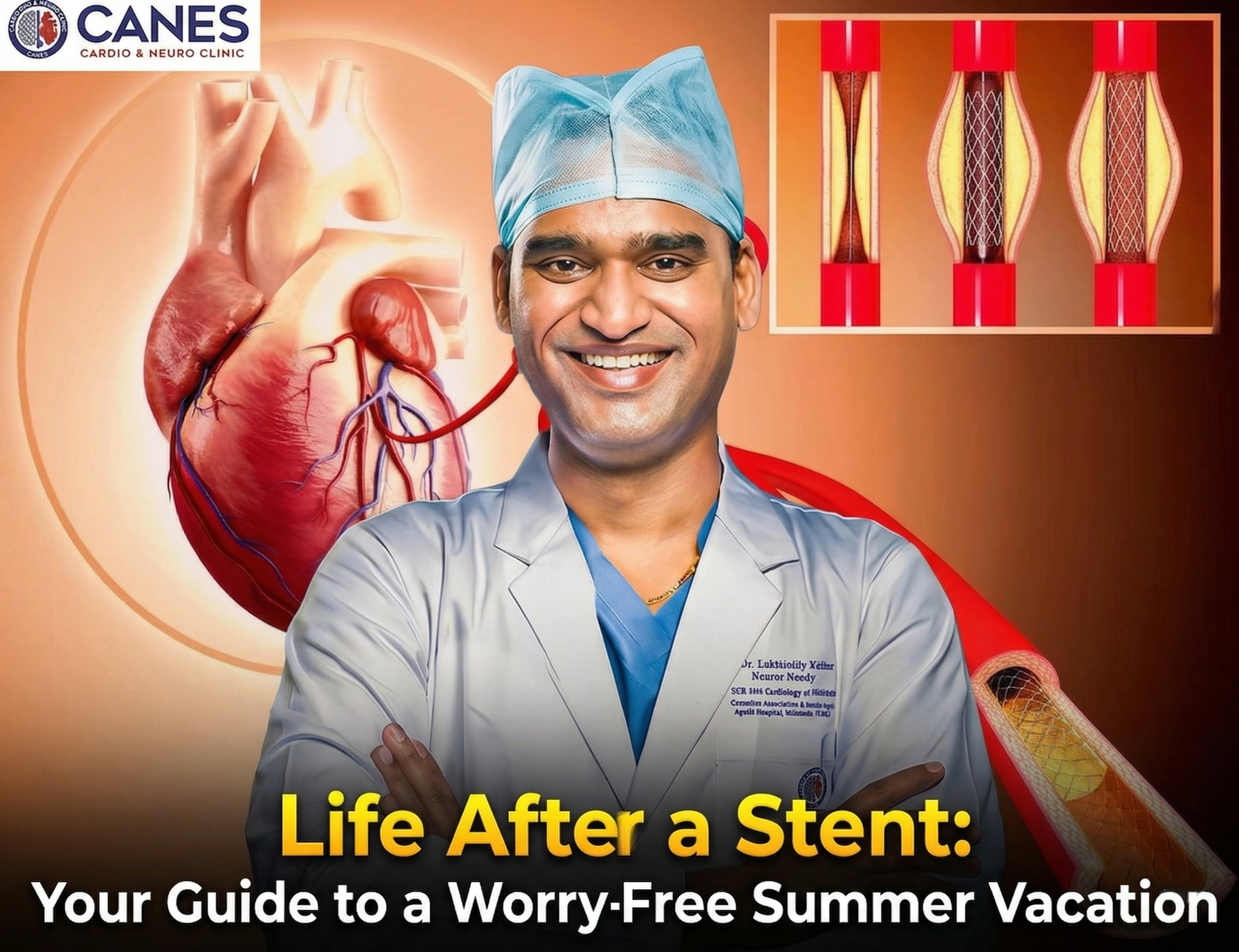
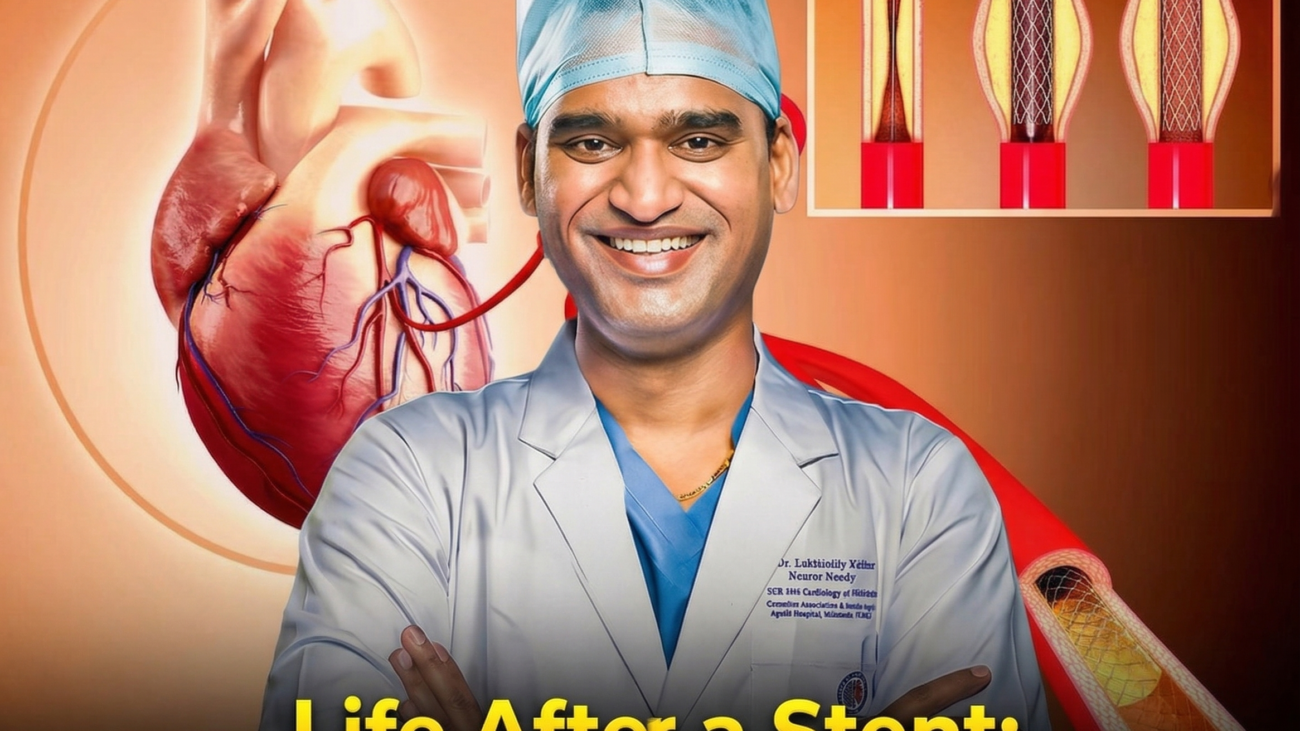
Life After a Stent: Your Guide to a Worry-Free Summer Vacation

Hearing that you need a heart stent can be an overwhelming experience. It is completely normal to feel a mix of relief that the problem was fixed, and anxiety about what comes next.You might find yourself wondering, “Will my life ever go back to normal? Can I still travel and enjoy my summer holidays with my family?”

As an Interventional Cardiologist, I hear these questions all the time. I want to reassure you: the whole point of placing a stent is not to limit your life, but to give your life back to you. A stent is designed to open up a blocked artery, improve blood flow to your heart, and allow you to return to the activities you love.

With summer approaching, you are probably dreaming of a much-needed vacation. Whether you are planning a long train journey, a flight across the country, or a simple weekend getaway, you absolutely can travel after a stent procedure. You just need a little bit of planning.

Here is your simple, worry-free guide to traveling safely this summer.

Understanding Your Stent

First, it helps to understand what is happening inside your heart right now. A stent is a tiny, expandable mesh tube.

Once it is placed inside your blocked artery, it acts like a strong scaffold, holding the walls of the artery open so blood can flow freely. Over time, your artery heals over the stent, making it a permanent part of your body. Because the blood is flowing smoothly again, your heart is actually much safer now than it was before the procedure!

1. Timing is Everything: When Can You Travel?

The biggest question is usually when it is safe to pack your bags.

If you had a planned, non-emergency stent procedure and you are feeling well, you might be cleared to travel within a week or two. However, if your stent was placed during a heart attack or a medical emergency, your heart will need more time to rest and heal. In those cases, we usually recommend waiting four to six weeks before taking a big trip.

Always schedule a quick check-up before you confirm your bookings. A simple conversation with your doctor will give you the green light and the peace of mind you need.

2. Packing for Peace of Mind

When packing your suitcase, your heart health should get priority space.

● Double Your Meds: Pack twice the amount of medication you think you will need, just in case your return is delayed. Never pack your essential heart medicines in checked luggage; always keep them in your carry-on bag so they are with you at all times.

● Carry Your Medical ID: Keep a physical copy of your recent ECG, your discharge summary, and your “stent card” (the little card that shows what kind of stent you have).

● Emergency Contacts: Save your doctor’s phone number and the address of a good hospital near your vacation destination in your phone.

3. Navigating the Airport Safely

Many patients worry about airport security. “Will my heart stent set off the metal detectors?” The answer is no. Heart stents are made of non-magnetic metals that will not trigger airport security alarms. You can walk through scanners completely normally.

If you are taking a long flight or train ride, sitting still for hours can increase the risk of blood clots in your legs. Make sure to wear comfortable, loose clothing. Try to stand up, stretch, and walk down the aisle every hour. While sitting, you can also rotate your ankles and wiggle your toes to keep the blood moving.

4. Beating the Summer Heat

Summer vacations usually mean sun and outdoor activities. Remember that extreme heat forces your heart to work harder to cool your body down.

●Stay Hydrated: Drink plenty of water throughout the day. If your doctor has put you on fluid restrictions (which is common for some heart conditions), follow their exact advice on how much you can drink.

● Pace Yourself: You are on vacation, not in a race! Take frequent breaks in the shade or in air-conditioned rooms.

● Avoid the Midday Sun: Plan your sightseeing for the early mornings or lateafternoons when the sun is less harsh.

Listen to Your Heart

The most important rule for traveling after a stent is to listen to your body. If you feel unusually tired, short of breath, or experience any chest discomfort, do not ignore it. Sit down, rest, and seek medical help if the feeling does not go away.

Your heart has been given a fresh start. With your doctor’s approval and a little preparation, there is no reason you cannot enjoy a beautiful, relaxing summer vacation.

Frequently Asked Questions (FAQs)

Q: Can I lift my heavy luggage after getting a stent?
A: Avoid lifting heavy items (over 5 kg) for the first few weeks so the puncture site can heal properly. Ask a family member or porter to carry your luggage if needed.
Q: Is it safe to travel to high-altitude places like the mountains?
A: High altitudes have lower oxygen levels, which can make your heart work harder. It’s better to avoid mountain travel until your doctor gives approval.
Q: Will travel stress affect my heart?
A: Stress from travel can impact your heart. Plan ahead, allow extra time, and practice relaxation techniques like deep breathing to stay calm.
Q: Do I need to follow my diet during vacation?
A: Yes. Enjoy treats in moderation but avoid too much salty, fried, or oily food. Choose balanced meals with fruits and vegetables.
How AI is Revolutionizing Early Heart Attack Detection in 2026

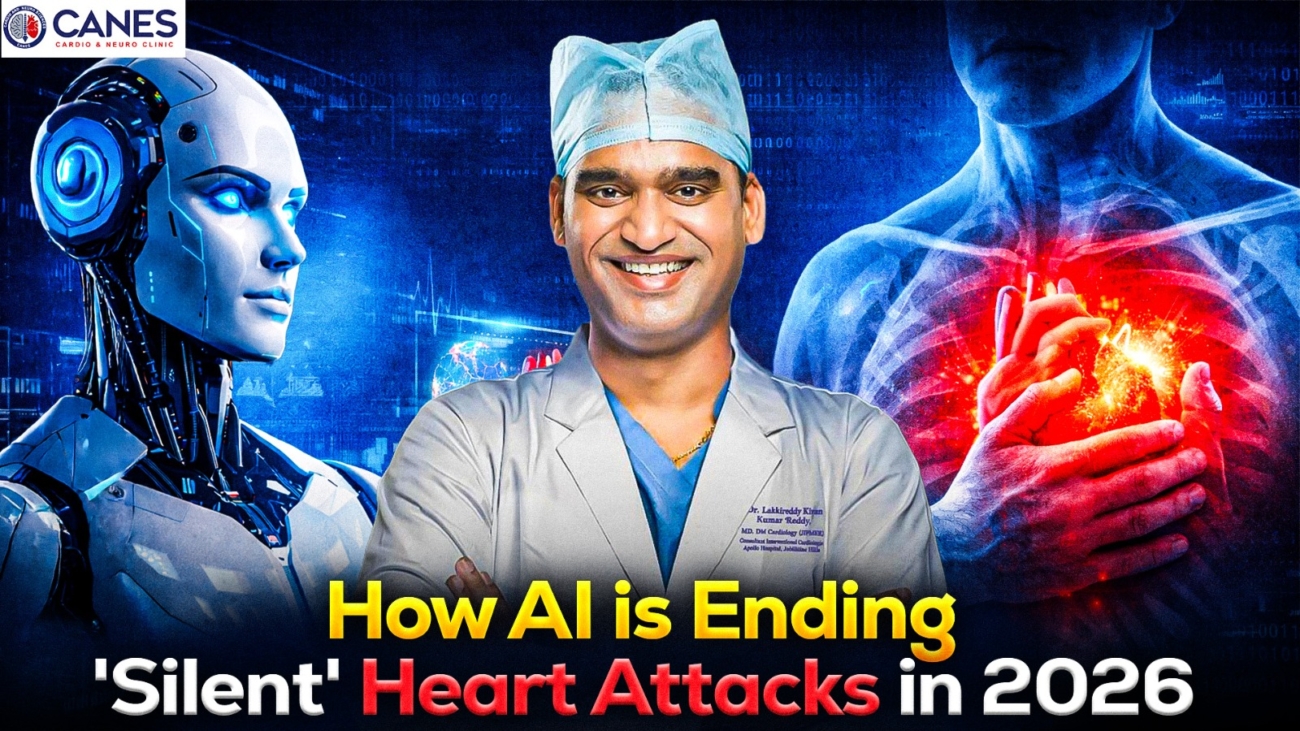
How AI is Revolutionizing Early Heart Attack Detection in 2026

●   Lifestyle & Prevention

How AI is Revolutionizing Early Heart Attack Detection in 2026

Table of Contents

Book a Consultation

Prevention is better than cure. Talk to our specialists today.

How AI is Revolutionizing Early Heart Attack Detection in 2026

When we think of a heart attack, we often picture dramatic movie scenes a sudden, crushing pain in the chest. However, the reality of an Acute Myocardial Infarction (AMI)(Heart Attack) is frequently much quieter and harder to pin down.

Every day, people turn to the internet searching for heart attack symptoms or the signs of a heart attack, wondering if that heavy feeling in their chest is just stress, severe indigestion, or something far more dangerous. The truth is, distinguishing between temporary discomfort and actual heart attack symptoms requires expert precision.

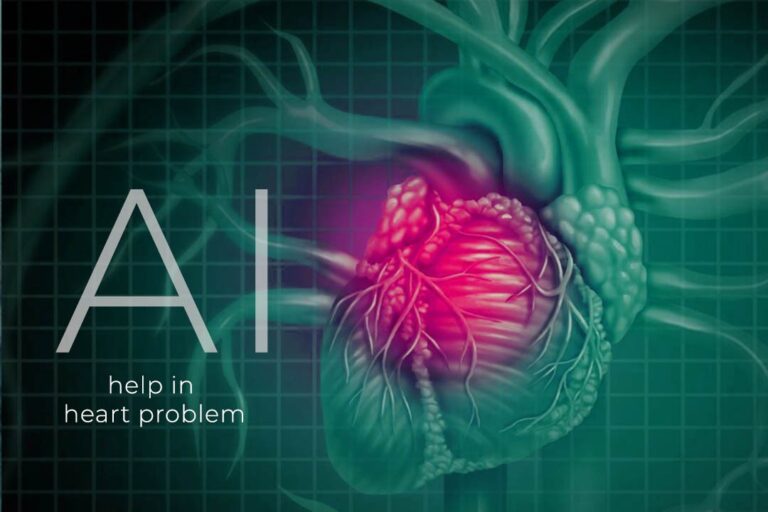
Today, that precision is reaching unprecedented levels. Thanks to AI in cardiology, we are entering a new era of early heart attack detection, where technology helps doctors catch the subtlest warning signs before irreversible damage occurs.

1. The Challenge of Identifying AMI(Heart Attact)

The Challenge of Identifying AMI(Heart Attact) | Cardiologist Dr. Kiran Lakkireddy

A heart attack, medically known as an Acute Myocardial Infarction (AMI)(heart attack), happens when blood flow to the heart muscle is blocked. Recognizing the signs and symptoms of ami(heart attack) early is the single most important factor in saving a patient’s life and preserving their heart function.

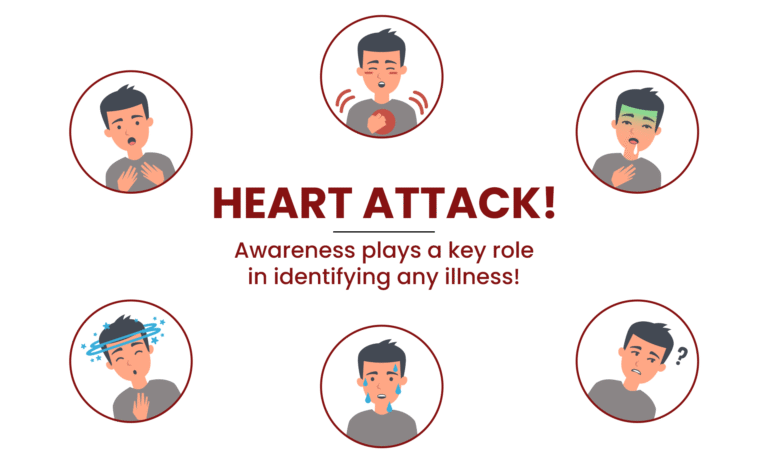
Common symptoms of ami(heart attack) include:

  • Uncomfortable pressure, squeezing, or pain in the center of the chest
  • Pain spreading to the shoulders, neck, arms, or jaw
  • Shortness of breath, often accompanied by chest discomfort
  • Cold sweats, nausea, or sudden lightheadedness

While these are classic ami(heart attack) signs and symptoms, not everyone experiences them the same way. Women, the elderly, and individuals with diabetes often have atypical heart attack symptoms that are easy to misread.

2. How AI is Changing the Game

How AI is Changing the Game finding heart attack earlier | Cardiologist Dr. Kiran Lakkireddy

For decades, the standard tool for reading the electrical signs of the heart has been the Electrocardiogram (ECG or EKG). Cardiologists analyze these wavy lines to spot abnormalities. But what happens when the human eye simply can’t see the microscopic warning signs hidden in the data?

The Power of AI ECG Interpretation

This is where AI ECG interpretation steps in as a life-saving breakthrough. Artificial intelligence algorithms have been trained on millions of heart scans, learning to recognize complex patterns that precede a major cardiac event.

When a patient comes in exhibiting potential signs of heart distress, an AI-enhanced ECG can analyze the electrical signals in a fraction of a second. It doesn’t just look for obvious blockages; it identifies micro-variations that indicate a heart attack is imminent or currently
happening under the radar.

Faster, Smarter Early Heart Attack Detection

In an emergency room or a specialized clinic, time is muscle. By instantly flagging high-risk patients, AI empowers cardiologists to act swiftly. It takes the guesswork out of vague complaints, ensuring that true heart attack symptoms are never dismissed as mere anxiety or indigestion

3. Listening to the Signs of the Heart

Listening to the Signs of the Heart | Cardiologist Dr. Kiran Lakkireddy

Technology is an incredible tool, but your first line of defense is your own body awareness. If you ever feel what you suspect are signs of a heart attack that persist, worsen with exertion, or are accompanied by dizziness and nausea, do not ignore them.

At Cane’s Clinic, Dr. Kiran Lakkireddy and our dedicated team utilize the latest advancements in cardiovascular care to provide rapid, accurate diagnoses. We believe in blending cutting-edge technology with deep human compassion to treat every patient who walks through our doors.

Don’t leave your heart health to chance. Whether you are experiencing concerning symptoms or simply want a comprehensive evaluation of your cardiovascular health, we are here to help.

FAQs

1. What are the early heart attack symptoms?
Early heart attack symptoms include chest pressure, shortness of breath, fatigue, nausea, and pain spreading to the arm or jaw. Symptoms can vary by individual.
2. How does AI help detect AMI(Heart Attact)?
AI analyzes ECG data and other cardiac information to identify subtle patterns associated with heart attact symptoms, improving speed and accuracy.
3. What are atypical symptoms of AMI(Heart Attact)?
Atypical symptoms may include back pain, jaw pain, dizziness, or extreme fatigue instead of severe chest pain.
4. Is AI ECG interpretation reliable?
AI ECG interpretation enhances physician accuracy by detecting patterns invisible to the human eye. It supports not replaces medical judgment.
5. Should I ignore mild Heart Attact symptoms?
No. Persistent or worsening symptoms should be evaluated immediately to rule out serious cardiac conditions.

Expert Care

Hyderabad's leading Cardio & Neuro specialists.
Dr. Kiran Kumar Lakki Reddy | Canes Cardio & Neuro Clinic | 10 Lifestyle Changes That Can Prevent Diabetes, BP & Heart Problems Naturally

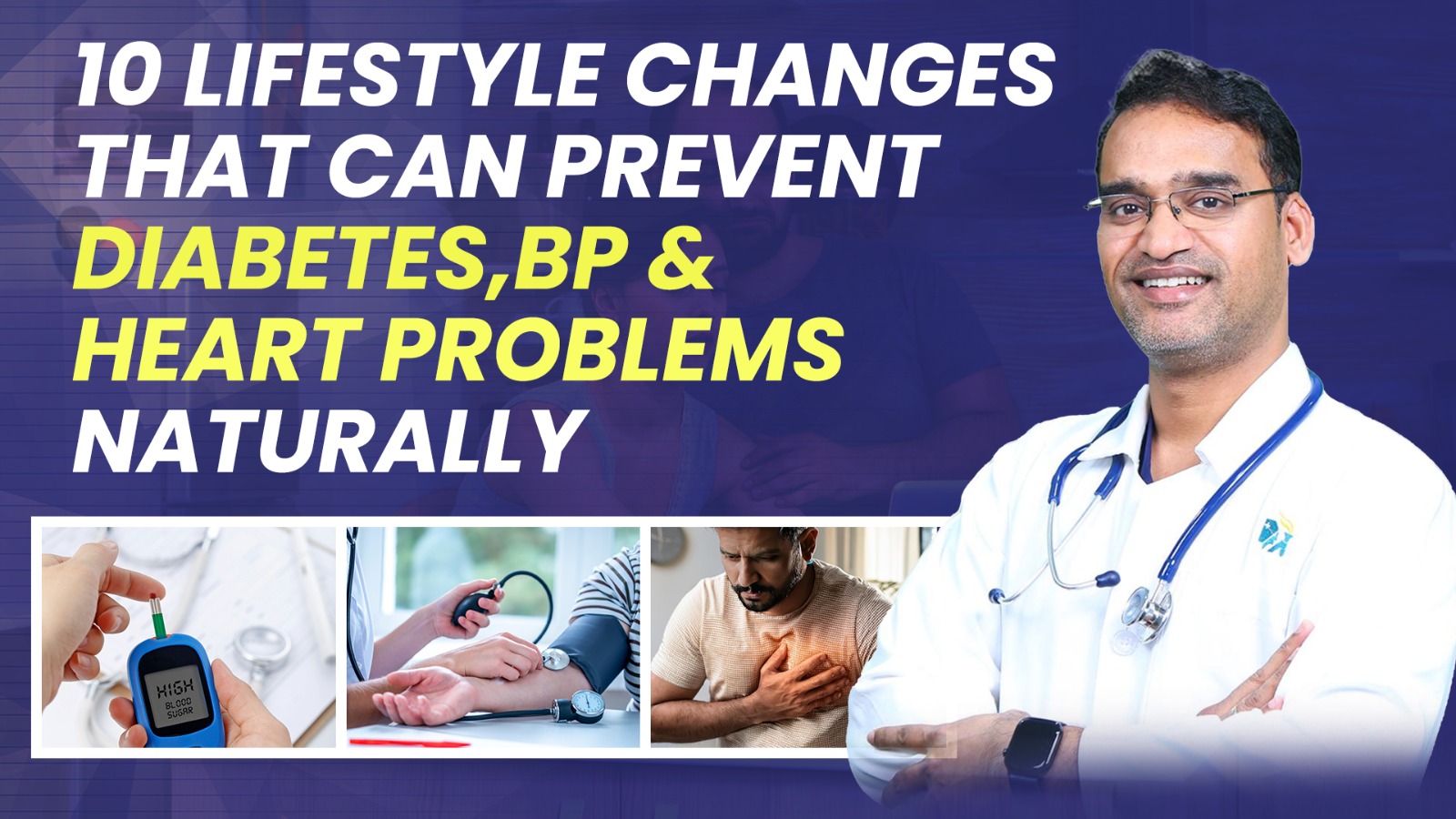
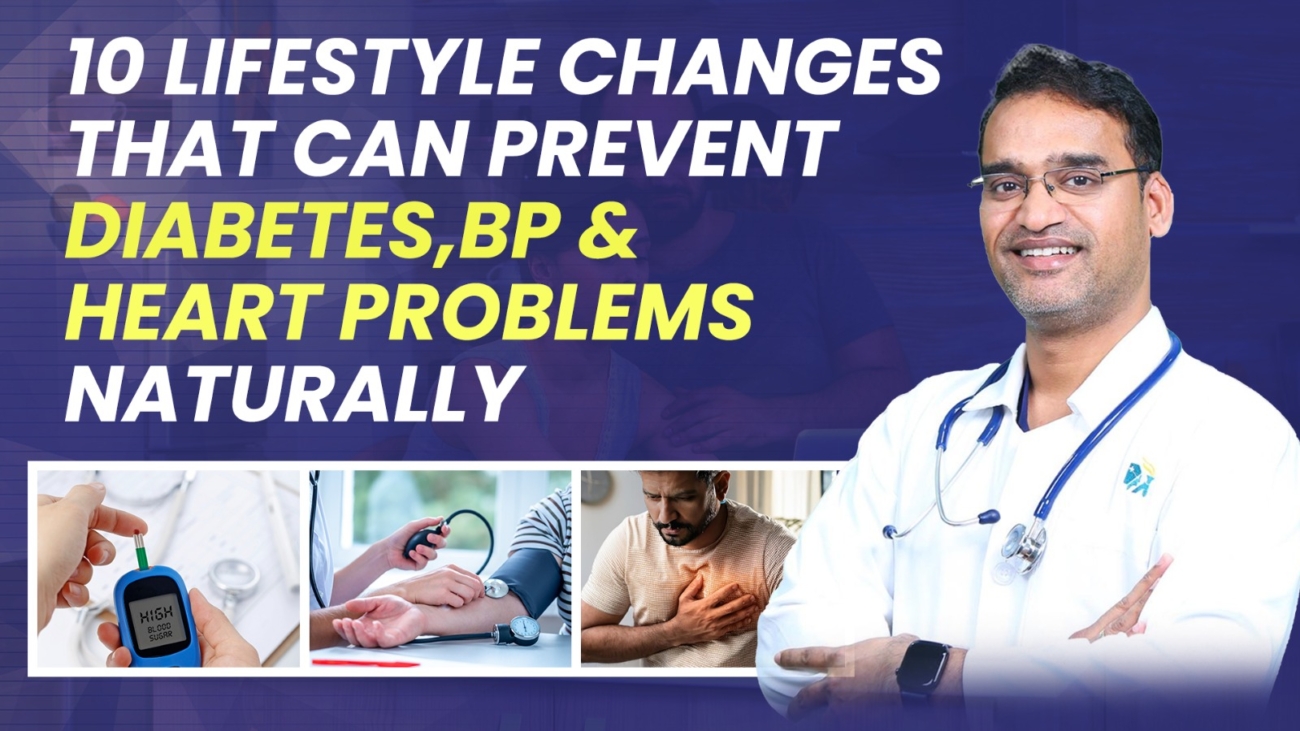
10 Lifestyle Changes That Can Prevent Diabetes, BP & Heart Problems Naturally

●   Lifestyle & Prevention

10 Lifestyle Changes That Can Prevent Diabetes, BP & Heart Problems Naturally

Table of Contents

Book a Consultation

Prevention is better than cure. Talk to our specialists today.

Dr. Kiran Kumar Lakki Reddy | Canes Cardio & Neuro Clinic | 10 Lifestyle Changes That Can Prevent Diabetes, BP & Heart Problems Naturally

Today, diabetes, high blood pressure (BP), and heart disease are affecting people at younger ages than ever before. Long working hours, stress, unhealthy food habits, and lack of exercise are putting our health at risk.

The good news?

Most heart problems and lifestyle diseases are preventable.

Studies show that up to 80% of heart disease and type 2 diabetes cases can be avoided with simple daily habits. Small changes in your routine can help you prevent diabetes naturally, control blood pressure, and protect your heart for life.

At CANES Cardio & Neuro Clinic, our specialists focus not just on treatment but on prevention and long-term wellness. This guide shares easy, practical, and science-backed healthy lifestyle tips you can start today.

Let’s take control of your health one step at a time.

1. Follow a Heart Healthy Diet

heart healthy diet

Food is your first medicine.

heart healthy diet helps reduce cholesterol, manage sugar levels, and support BP control.

Practical Tips

  1. Eat more vegetables, fruits, whole grains
  2. Choose brown rice/millets over white rice
  3.  Include nuts, seeds, and legumes
  4.  Reduce fried and processed foods
  5. Use less salt and oil

Benefits

  1. Prevent heart disease
  2. Prevent diabetes naturally
  3. Control blood pressure

2. Exercise for at Least 30 Minutes Daily

word image 256193 1

Your heart is a muscle — it needs movement.

Regular exercise improves circulation, burns fat, and lowers stress.

Practical Tips

  1. Brisk walking
  2. Cycling
  3. Swimming
  4. Yoga or stretching
  5. Take stairs instead of lifts

Benefits

  1. Better BP control
  2. Lower sugar levels
  3. Stronger heart

3. Maintain a Healthy Weight

AdobeStock 133216465 1800x1197 1

Extra body weight increases pressure on your heart and raises diabetes risk.

Even 5–10% weight loss can significantly improve health.

Practical Tips

  1. Eat portion-controlled meals
  2. Avoid late-night snacking
  3. Track calories
  4. Stay active daily

Benefits

  1. Prevent heart disease
  2. Reduce BP
  3. Lower diabetes risk

4. Reduce Salt Intake

salt agf 600

Too much salt leads to high blood pressure.

Practical Tips

  1. Limit packaged snacks
  2. Avoid pickles & salty foods
  3. Taste food before adding salt
  4. Use herbs and spices for flavor

Benefits

  1. Better BP control tips
  2. Reduced stroke risk
  3. Healthier heart

5. Quit Smoking & Tobacco

Quit

Smoking damages blood vessels and doubles heart attack risk.

Practical Tips

  1. Seek support groups
  2. Use nicotine replacement if needed
  3. Avoid triggers

Benefits

  1. Improves heart health quickly
  2. Better lung function
  3. Lower stroke risk

6. Limit Sugar & Refined Carbs

Screenshot 2023 12 01 at 10.14.26 am

Sugary foods spike blood glucose and increase diabetes risk.

Practical Tips

  1. Avoid soft drinks and sweets
  2. Choose whole fruits over juices
  3. Replace white bread with whole grain

Benefits

  1. Prevent diabetes naturally
  2. Better energy
  3. Weight control

7. Manage Stress Effectively

1751015701 Manage Stress

Sugary foods spike blood glucose and increase diabetes risk.

Practical Tips

  1. Meditation
  2. Deep breathing
  3. Spend time with family
  4. Hobbies and relaxation
  5. Proper sleep

Benefits

  1. Control blood pressure
  2. Improved mental health
  3. Reduced heart strain

8. Sleep 7–8 Hours Every Night

download

Poor sleep increases obesity, BP, and diabetes risk.

Practical Tips

  1. Fixed sleep schedule
  2. Avoid screens before bed
  3. Keep room quiet and dark

Benefits

  1. Balanced hormones
  2. Healthy heart rhythm
  3. Better metabolism

9. Stay Hydrated

1956 1298 frhs stay hydrated article

Water helps regulate blood pressure and circulation.

Practical Tips

  1. Drink 2–3 liters daily
  2. Carry a water bottle
  3. Reduce sugary drinks

Benefits

  1. Better heart function
  2. Improved kidney health
  3. Stable BP

10. Get Regular Health Checkups

istockphoto 1418999473 612x612 1

Many heart and BP problems show no symptoms until serious.

Early detection saves lives.

Practical Tips

  1. Annual blood tests
  2. BP monitoring
  3. Sugar testing
  4. ECG/Echo when advised

Benefits

  1. Early diagnosis
  2. Timely treatment
  3. Prevent complications
     

FAQs

1. Can lifestyle changes really prevent diabetes?
Yes. Healthy eating, exercise, and weight control can prevent up to 70–80% of type 2 diabetes cases.
2. How can I control blood pressure naturally?
Reduce salt, exercise daily, manage stress, and maintain a healthy weight.
3. When should I visit a cardiologist near me?
If you have chest discomfort, high BP, family history, diabetes, or are above 35, regular checkups are recommended.
4. What foods are best for a heart healthy diet?
Vegetables, fruits, whole grains, nuts, seeds, fish, and low-fat dairy.
5. How often should I check BP?
At least once every 3–6 months, or more often if you already have hypertension.
6. Is walking enough for heart health?
Yes. Brisk walking for 30 minutes daily is very effective.