How AI is Revolutionizing Early Heart Attack Detection in 2026

How AI is Revolutionizing Early Heart Attack Detection in 2026

●   Lifestyle & Prevention

How AI is Revolutionizing Early Heart Attack Detection in 2026

Table of Contents

Book a Consultation

Prevention is better than cure. Talk to our specialists today.
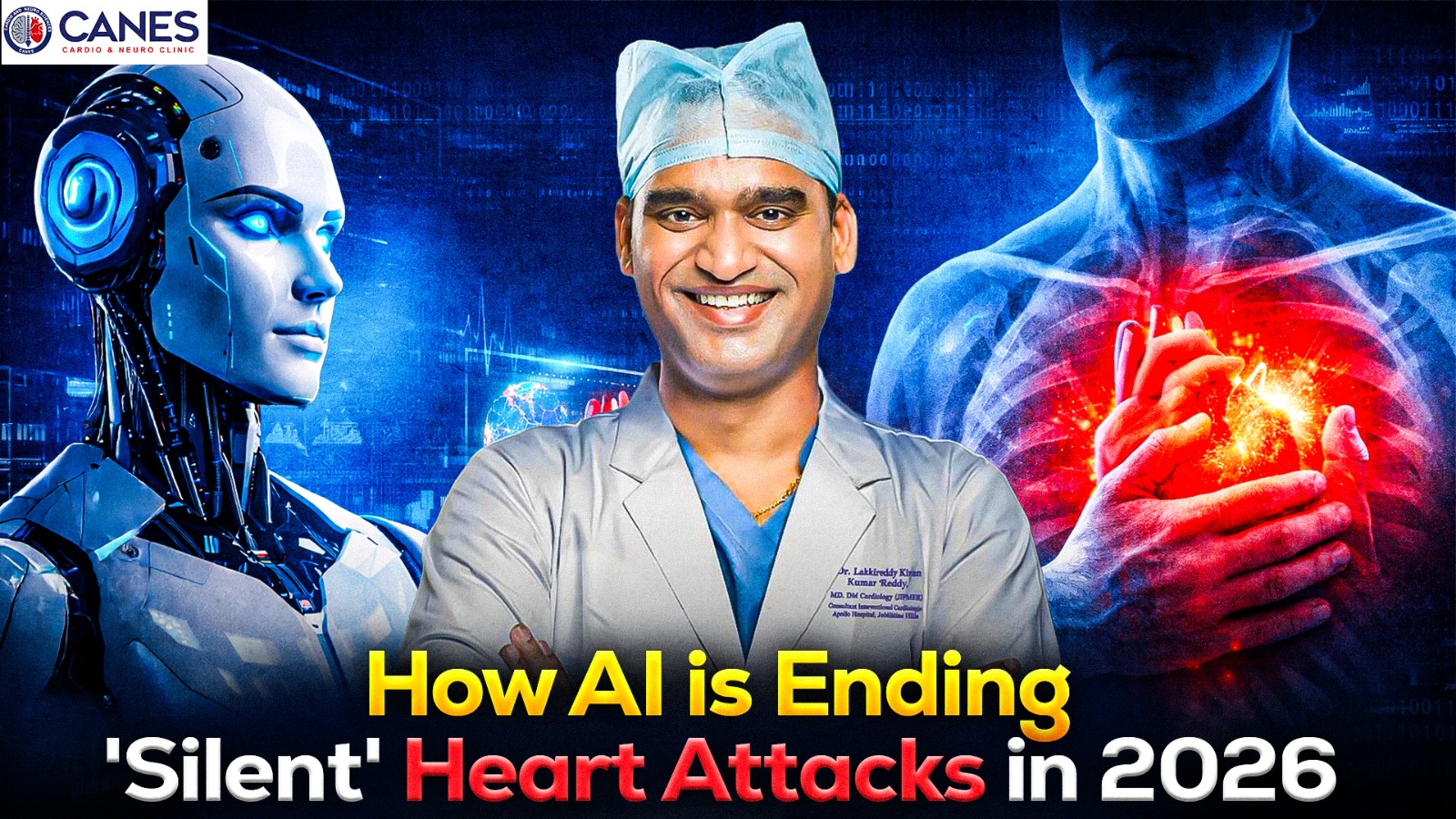
How AI is Revolutionizing Early Heart Attack Detection in 2026

When we think of a heart attack, we often picture dramatic movie scenes a sudden, crushing pain in the chest. However, the reality of an Acute Myocardial Infarction (AMI)(Heart Attack) is frequently much quieter and harder to pin down.

Every day, people turn to the internet searching for heart attack symptoms or the signs of a heart attack, wondering if that heavy feeling in their chest is just stress, severe indigestion, or something far more dangerous. The truth is, distinguishing between temporary discomfort and actual heart attack symptoms requires expert precision.

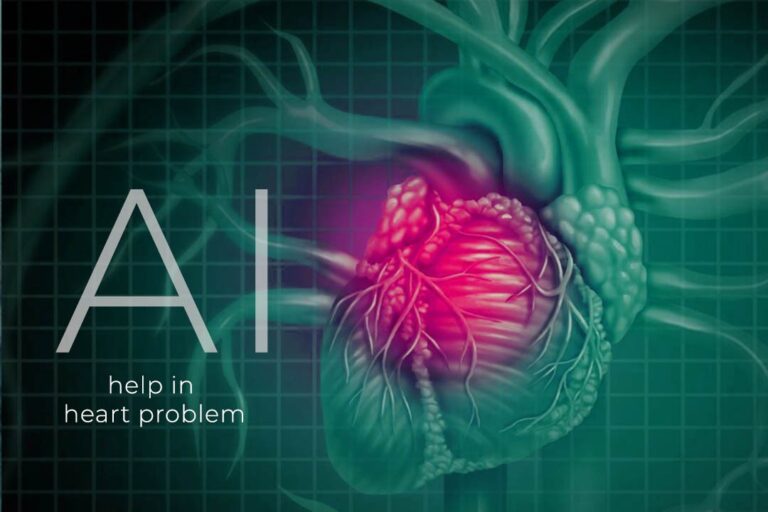
Today, that precision is reaching unprecedented levels. Thanks to AI in cardiology, we are entering a new era of early heart attack detection, where technology helps doctors catch the subtlest warning signs before irreversible damage occurs.

1. The Challenge of Identifying AMI(Heart Attact)

The Challenge of Identifying AMI(Heart Attact) | Cardiologist Dr. Kiran Lakkireddy

A heart attack, medically known as an Acute Myocardial Infarction (AMI)(heart attack), happens when blood flow to the heart muscle is blocked. Recognizing the signs and symptoms of ami(heart attack) early is the single most important factor in saving a patient’s life and preserving their heart function.

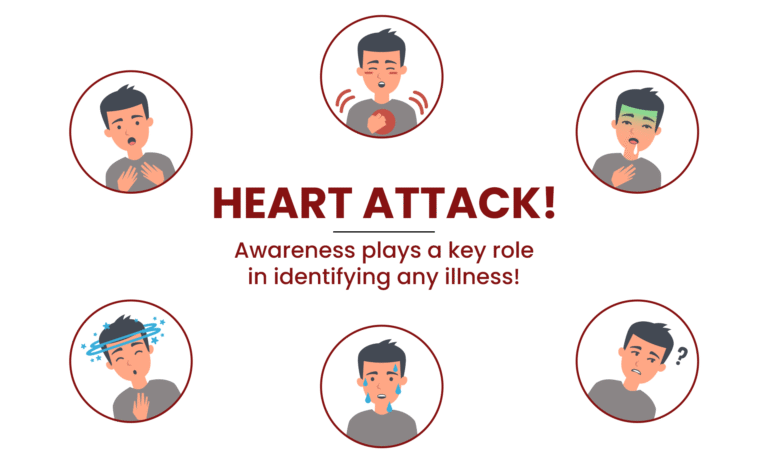
Common symptoms of ami(heart attack) include:

  • Uncomfortable pressure, squeezing, or pain in the center of the chest
  • Pain spreading to the shoulders, neck, arms, or jaw
  • Shortness of breath, often accompanied by chest discomfort
  • Cold sweats, nausea, or sudden lightheadedness

While these are classic ami(heart attack) signs and symptoms, not everyone experiences them the same way. Women, the elderly, and individuals with diabetes often have atypical heart attack symptoms that are easy to misread.

2. How AI is Changing the Game

How AI is Changing the Game finding heart attack earlier | Cardiologist Dr. Kiran Lakkireddy

For decades, the standard tool for reading the electrical signs of the heart has been the Electrocardiogram (ECG or EKG). Cardiologists analyze these wavy lines to spot abnormalities. But what happens when the human eye simply can’t see the microscopic warning signs hidden in the data?

The Power of AI ECG Interpretation

This is where AI ECG interpretation steps in as a life-saving breakthrough. Artificial intelligence algorithms have been trained on millions of heart scans, learning to recognize complex patterns that precede a major cardiac event.

When a patient comes in exhibiting potential signs of heart distress, an AI-enhanced ECG can analyze the electrical signals in a fraction of a second. It doesn’t just look for obvious blockages; it identifies micro-variations that indicate a heart attack is imminent or currently
happening under the radar.

Faster, Smarter Early Heart Attack Detection

In an emergency room or a specialized clinic, time is muscle. By instantly flagging high-risk patients, AI empowers cardiologists to act swiftly. It takes the guesswork out of vague complaints, ensuring that true heart attack symptoms are never dismissed as mere anxiety or indigestion

3. Listening to the Signs of the Heart

Listening to the Signs of the Heart | Cardiologist Dr. Kiran Lakkireddy

Technology is an incredible tool, but your first line of defense is your own body awareness. If you ever feel what you suspect are signs of a heart attack that persist, worsen with exertion, or are accompanied by dizziness and nausea, do not ignore them.

At Cane’s Clinic, Dr. Kiran Lakkireddy and our dedicated team utilize the latest advancements in cardiovascular care to provide rapid, accurate diagnoses. We believe in blending cutting-edge technology with deep human compassion to treat every patient who walks through our doors.

Don’t leave your heart health to chance. Whether you are experiencing concerning symptoms or simply want a comprehensive evaluation of your cardiovascular health, we are here to help.

FAQs

1. What are the early heart attack symptoms?
Early heart attack symptoms include chest pressure, shortness of breath, fatigue, nausea, and pain spreading to the arm or jaw. Symptoms can vary by individual.
2. How does AI help detect AMI(Heart Attact)?
AI analyzes ECG data and other cardiac information to identify subtle patterns associated with heart attact symptoms, improving speed and accuracy.
3. What are atypical symptoms of AMI(Heart Attact)?
Atypical symptoms may include back pain, jaw pain, dizziness, or extreme fatigue instead of severe chest pain.
4. Is AI ECG interpretation reliable?
AI ECG interpretation enhances physician accuracy by detecting patterns invisible to the human eye. It supports not replaces medical judgment.
5. Should I ignore mild Heart Attact symptoms?
No. Persistent or worsening symptoms should be evaluated immediately to rule out serious cardiac conditions.

Expert Care

Hyderabad's leading Cardio & Neuro specialists.
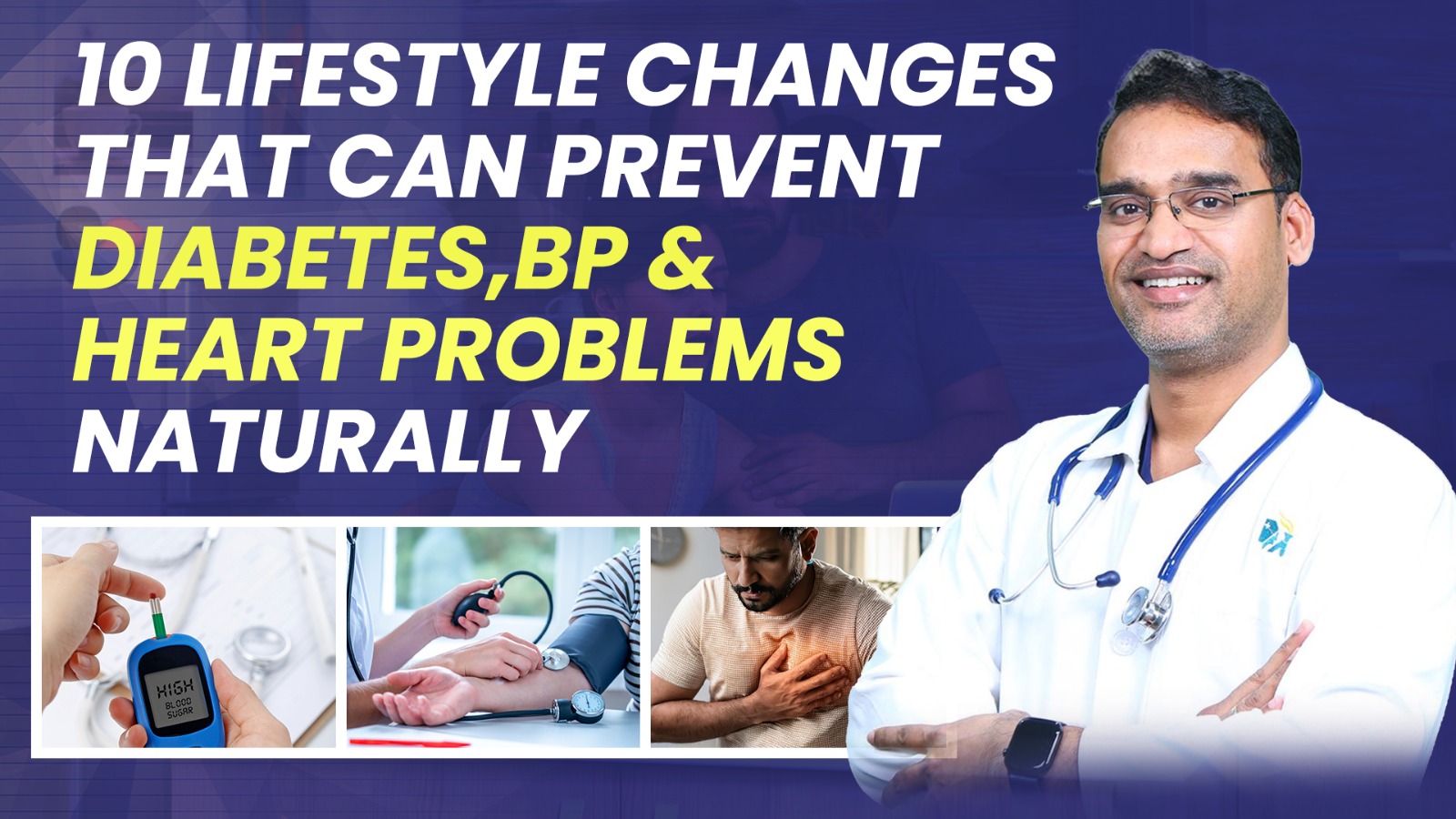
Dr. Kiran Kumar Lakki Reddy | Canes Cardio & Neuro Clinic | 10 Lifestyle Changes That Can Prevent Diabetes, BP & Heart Problems Naturally

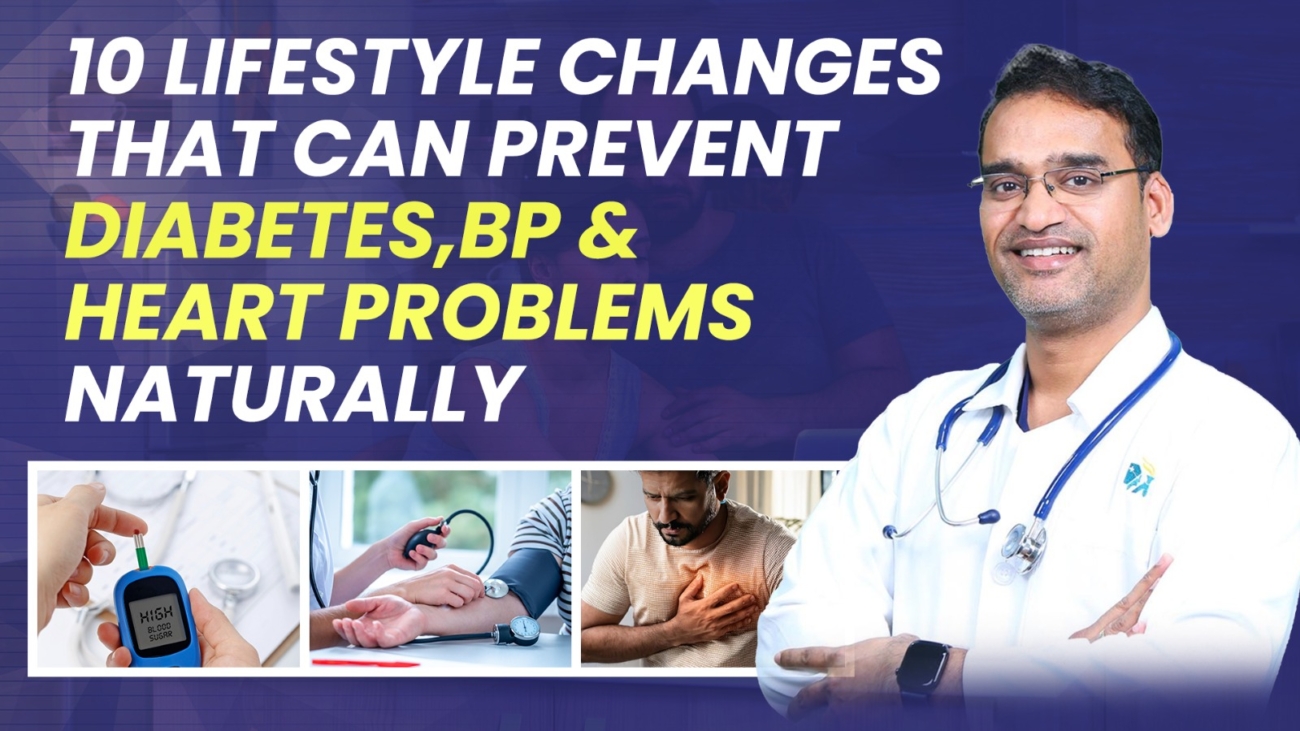
10 Lifestyle Changes That Can Prevent Diabetes, BP & Heart Problems Naturally

●   Lifestyle & Prevention

10 Lifestyle Changes That Can Prevent Diabetes, BP & Heart Problems Naturally

Table of Contents

Book a Consultation

Prevention is better than cure. Talk to our specialists today.

Dr. Kiran Kumar Lakki Reddy | Canes Cardio & Neuro Clinic | 10 Lifestyle Changes That Can Prevent Diabetes, BP & Heart Problems Naturally

Today, diabetes, high blood pressure (BP), and heart disease are affecting people at younger ages than ever before. Long working hours, stress, unhealthy food habits, and lack of exercise are putting our health at risk.

The good news?

Most heart problems and lifestyle diseases are preventable.

Studies show that up to 80% of heart disease and type 2 diabetes cases can be avoided with simple daily habits. Small changes in your routine can help you prevent diabetes naturally, control blood pressure, and protect your heart for life.

At CANES Cardio & Neuro Clinic, our specialists focus not just on treatment but on prevention and long-term wellness. This guide shares easy, practical, and science-backed healthy lifestyle tips you can start today.

Let’s take control of your health one step at a time.

1. Follow a Heart Healthy Diet

Food is your first medicine.

heart healthy diet helps reduce cholesterol, manage sugar levels, and support BP control.

Practical Tips

  1. Eat more vegetables, fruits, whole grains
  2. Choose brown rice/millets over white rice
  3.  Include nuts, seeds, and legumes
  4.  Reduce fried and processed foods
  5. Use less salt and oil

Benefits

  1. Prevent heart disease
  2. Prevent diabetes naturally
  3. Control blood pressure

2. Exercise for at Least 30 Minutes Daily

Your heart is a muscle — it needs movement.

Regular exercise improves circulation, burns fat, and lowers stress.

Practical Tips

  1. Brisk walking
  2. Cycling
  3. Swimming
  4. Yoga or stretching
  5. Take stairs instead of lifts

Benefits

  1. Better BP control
  2. Lower sugar levels
  3. Stronger heart

3. Maintain a Healthy Weight

Extra body weight increases pressure on your heart and raises diabetes risk.

Even 5–10% weight loss can significantly improve health.

Practical Tips

  1. Eat portion-controlled meals
  2. Avoid late-night snacking
  3. Track calories
  4. Stay active daily

Benefits

  1. Prevent heart disease
  2. Reduce BP
  3. Lower diabetes risk

4. Reduce Salt Intake

Too much salt leads to high blood pressure.

Practical Tips

  1. Limit packaged snacks
  2. Avoid pickles & salty foods
  3. Taste food before adding salt
  4. Use herbs and spices for flavor

Benefits

  1. Better BP control tips
  2. Reduced stroke risk
  3. Healthier heart

5. Quit Smoking & Tobacco

Smoking damages blood vessels and doubles heart attack risk.

Practical Tips

  1. Seek support groups
  2. Use nicotine replacement if needed
  3. Avoid triggers

Benefits

  1. Improves heart health quickly
  2. Better lung function
  3. Lower stroke risk

6. Limit Sugar & Refined Carbs

Sugary foods spike blood glucose and increase diabetes risk.

Practical Tips

  1. Avoid soft drinks and sweets
  2. Choose whole fruits over juices
  3. Replace white bread with whole grain

Benefits

  1. Prevent diabetes naturally
  2. Better energy
  3. Weight control

7. Manage Stress Effectively

Sugary foods spike blood glucose and increase diabetes risk.

Practical Tips

  1. Meditation
  2. Deep breathing
  3. Spend time with family
  4. Hobbies and relaxation
  5. Proper sleep

Benefits

  1. Control blood pressure
  2. Improved mental health
  3. Reduced heart strain

8. Sleep 7–8 Hours Every Night

Poor sleep increases obesity, BP, and diabetes risk.

Practical Tips

  1. Fixed sleep schedule
  2. Avoid screens before bed
  3. Keep room quiet and dark

Benefits

  1. Balanced hormones
  2. Healthy heart rhythm
  3. Better metabolism

9. Stay Hydrated

Water helps regulate blood pressure and circulation.

Practical Tips

  1. Drink 2–3 liters daily
  2. Carry a water bottle
  3. Reduce sugary drinks

Benefits

  1. Better heart function
  2. Improved kidney health
  3. Stable BP

10. Get Regular Health Checkups

Many heart and BP problems show no symptoms until serious.

Early detection saves lives.

Practical Tips

  1. Annual blood tests
  2. BP monitoring
  3. Sugar testing
  4. ECG/Echo when advised

Benefits

  1. Early diagnosis
  2. Timely treatment
  3. Prevent complications
     

FAQs

1. Can lifestyle changes really prevent diabetes?
Yes. Healthy eating, exercise, and weight control can prevent up to 70–80% of type 2 diabetes cases.
2. How can I control blood pressure naturally?
Reduce salt, exercise daily, manage stress, and maintain a healthy weight.
3. When should I visit a cardiologist near me?
If you have chest discomfort, high BP, family history, diabetes, or are above 35, regular checkups are recommended.
4. What foods are best for a heart healthy diet?
Vegetables, fruits, whole grains, nuts, seeds, fish, and low-fat dairy.
5. How often should I check BP?
At least once every 3–6 months, or more often if you already have hypertension.
6. Is walking enough for heart health?
Yes. Brisk walking for 30 minutes daily is very effective.

CARDIAC REHABILITATION

CARDIAC REHABILITATION


 Cardiac rehabilitation (CR) is a supervised program designed to help individuals with heart conditions recover, improve their cardiovascular fitness, and reduce the risk of future cardiac events. It involves a multidisciplinary approach that includes exercise training, education, counseling, and support to address various aspects of heart health.

Here are key components and benefits of cardiac rehabilitation:

  1. Exercise training: CR programs provide structured and monitored exercise sessions tailored to individual needs and abilities. These exercises typically include aerobic activities (such as walking, cycling, or swimming) and may also incorporate resistance training. The exercise program aims to improve cardiovascular fitness, increase endurance, strengthen the heart muscle, and enhance overall physical well-being.

  2. Education and counseling: CR programs offer educational sessions and counseling to provide individuals with essential knowledge and skills to manage their heart condition effectively. Topics covered may include heart-healthy nutrition, medication management, stress reduction techniques, smoking cessation support, and strategies for long-term lifestyle changes.

  3. Risk factor modification: CR helps individuals identify and address modifiable risk factors that contribute to heart disease, such as high blood pressure, high cholesterol, diabetes, obesity, and sedentary lifestyle. Healthcare professionals provide guidance on lifestyle modifications, including adopting a heart-healthy diet, smoking cessation, weight management, and strategies for stress reduction.

  4. Psychosocial support: Emotional well-being plays a crucial role in heart health. Cardiac rehabilitation programs often provide psychosocial support and counseling to address the emotional and psychological aspects of living with a heart condition. This may involve individual or group counseling sessions to address anxiety, depression, adjustment issues, and help individuals cope with the emotional impact of their condition.

  5. Monitoring and follow-up: CR programs include regular monitoring of heart rate, blood pressure, and other vital signs during exercise sessions to ensure safety and effectiveness. Healthcare professionals track progress, assess response to treatment, and make any necessary adjustments to the exercise program or medications. Follow-up appointments and evaluations are conducted to evaluate long-term outcomes, reinforce healthy behaviors, and provide ongoing support.

Benefits of Cardiac Rehabilitation:

  • Improved cardiovascular fitness and exercise capacity.
  • Reduction in symptoms such as fatigue, shortness of breath, and chest pain.
  • Lower risk of future cardiac events, including heart attacks and hospitalizations.
  • Better management of modifiable risk factors, such as high blood pressure, high cholesterol, and diabetes.
  • Enhanced emotional well-being and quality of life.
  • Increased knowledge and understanding of heart disease, medications, and lifestyle modifications.
  • Support and encouragement from healthcare professionals and peers in a structured and supervised environment.

Cardiac rehabilitation is typically recommended for individuals who have experienced a heart attack, undergone heart procedures (such as angioplasty or coronary artery bypass surgery), or have been diagnosed with heart failure or other heart conditions. The duration and frequency of CR programs may vary but typically involve multiple sessions over several weeks or months.

It’s important to consult with healthcare professionals to determine if cardiac rehabilitation is appropriate and to find a program that suits individual needs and goals. CR can be an essential part of the recovery process, promoting long-term heart health, and reducing the risk of future cardiac events.

Mechanical Circulatory Support

Mechanical Circulatory support

Mechanical Circulatory Support

Mechanical circulatory support (MCS) refers to the use of mechanical devices to assist or replace the pumping function of the heart in individuals with severe heart failure or other cardiac conditions. These devices are designed to improve blood flow, alleviate symptoms, and provide support while patients await heart transplantation or recover from cardiac surgery. Here are some common types of mechanical circulatory support devices:

  1. Ventricular Assist Devices (VADs): VADs are the most widely used mechanical circulatory support devices. They are implanted surgically and help the weakened heart pump blood. VADs can be classified into two types:

    • Left Ventricular Assist Devices (LVADs): These devices assist the left ventricle in pumping oxygenated blood to the body.
    • BiVentricular Assist Devices (BiVADs): BiVADs support both the left and right ventricles when both sides of the heart are severely affected.
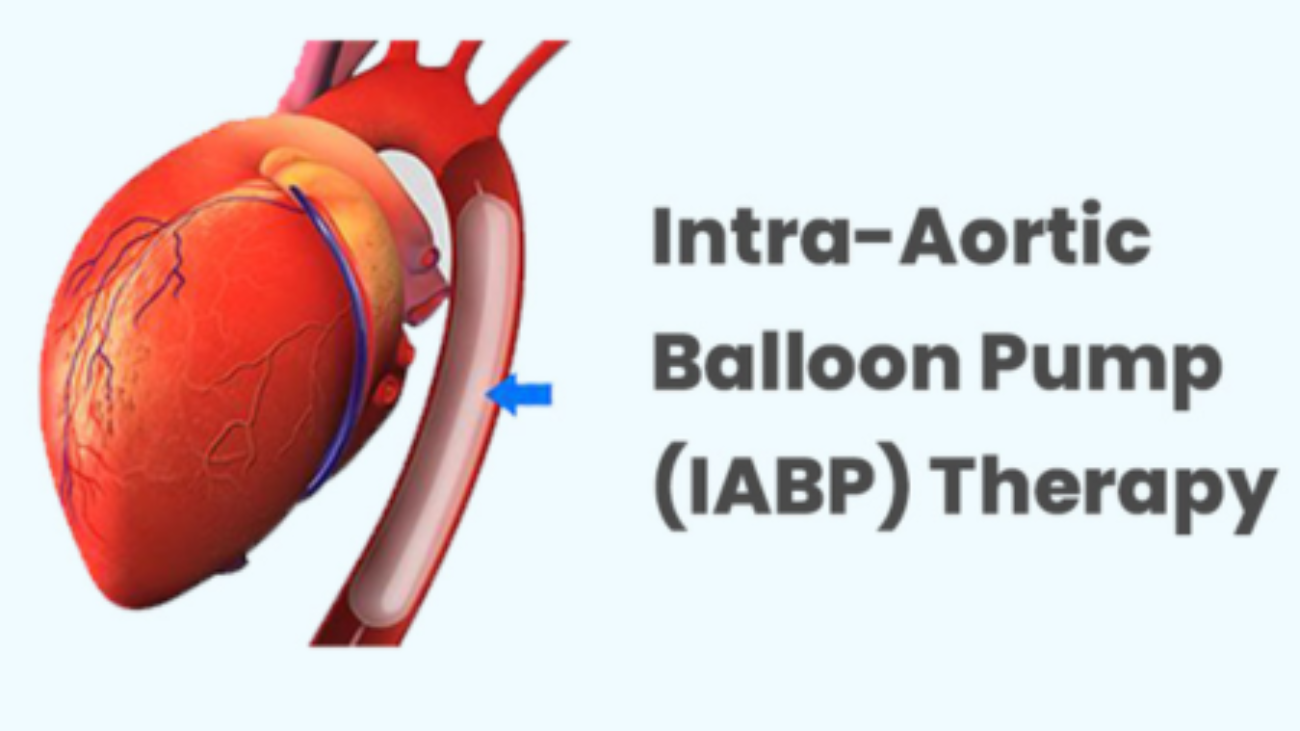
  2. Intra-aortic Balloon Pump (IABP): An IABP is a temporary mechanical device inserted through the femoral artery into the aorta. It consists of a balloon that inflates and deflates in synchrony with the heartbeat. The balloon inflation assists in increasing coronary blood flow and reducing the heart’s workload.

  3. Extracorporeal Membrane Oxygenation (ECMO): ECMO is a temporary life support system that provides both cardiac and respiratory support. It involves the use of a machine that pumps and oxygenates a patient’s blood outside the body, allowing the heart and lungs to rest and heal.

  4. Total Artificial Heart (TAH): TAH is a device that replaces both ventricles of the native heart. It is used as a bridge to transplantation for patients with end-stage heart failure when suitable donor hearts are not immediately available.

Mechanical circulatory support devices can significantly improve a patient’s quality of life, relieve symptoms, and provide time for further interventions or transplantation. They are typically managed and monitored closely by a multidisciplinary team of healthcare professionals, including cardiologists, cardiac surgeons, and specialized nurses.

However, it’s important to note that the use of mechanical circulatory support devices requires careful patient selection, surgical expertise, and ongoing management. Each patient’s suitability for these devices depends on various factors, such as the severity of heart failure, overall health, and the presence of other medical conditions.

The decision to use mechanical circulatory support is individualized and made in collaboration between the healthcare team and the patient, considering the potential benefits, risks, and long-term implications.

IABP

Intra-aortic Balloon Pump (IABP): Temporary Circulatory Support for Heart Conditions

IABP (Intra-aortic Balloon Pump) is a mechanical device used for temporary circulatory support in individuals with certain cardiac conditions. It consists of a long, thin tube called a catheter with an inflatable balloon at its tip.

Here’s how the IABP works:

  1. Placement: The IABP is inserted through the femoral artery, typically in the groin area. The catheter is carefully threaded until it reaches the aorta, the large blood vessel that carries oxygenated blood from the heart to the rest of the body.
  2. Balloon Inflation and Deflation: Once the IABP is positioned in the aorta, the balloon inflates and deflates in sync with the heartbeat. The timing of inflation and deflation is controlled by a console connected to the IABP.
    • Inflation Phase: During the inflation phase, the balloon inflates, temporarily blocking the blood flow in the aorta. This increases pressure in the aorta, which helps improve coronary artery blood flow and reduces the heart’s workload.

    • Deflation Phase: After a brief inflation, the balloon rapidly deflates just before the heart pumps, allowing blood to flow easily from the heart into the aorta and the rest of the body.

The inflation and deflation occur synchronously with the heartbeat, providing mechanical assistance to the heart’s pumping action. This process helps to increase coronary blood flow, reduce the heart’s workload, and improve overall cardiac output.

Clinical Scenarios Where IABP is Used:

  • Acute Myocardial Infarction (heart attack) with cardiogenic shock: The IABP stabilizes the patient’s hemodynamics and improves coronary artery blood flow while awaiting further treatments.
  • Decompensated heart failure: For patients with severe heart failure, the IABP provides temporary support until heart transplantation or ventricular assist device implantation is possible.
  • High-risk cardiac surgeries: The IABP supports the heart during complex cardiac surgeries, ensuring stable blood flow throughout the procedure.

Duration and Monitoring:

The IABP is typically used for a short period, ranging from days to weeks, depending on the patient’s condition. Continuous monitoring and regular assessment of the patient’s clinical status, hemodynamics, and potential complications are essential.

Conclusion:

The IABP is a valuable temporary support device that assists patients with heart failure, acute myocardial infarction, or during high-risk cardiac surgeries. While it provides immediate hemodynamic support and relief, it is not a definitive treatment but a bridge to further interventions, such as heart transplantation or the use of ventricular assist devices.

For patients with severe cardiac conditions, IABP therapy can be life-saving by enhancing coronary blood flow and reducing the heart’s workload. However, its use should always be closely monitored and managed by a specialized healthcare team.

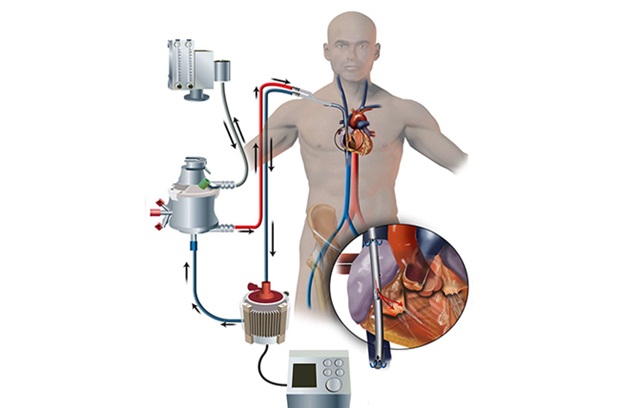
ECMO life support system providing cardiac and respiratory support.

ECMO

ECMO life support system providing cardiac and respiratory support.

ECMO (Extracorporeal Membrane Oxygenation): Life Support for Severe Heart and Lung Failure

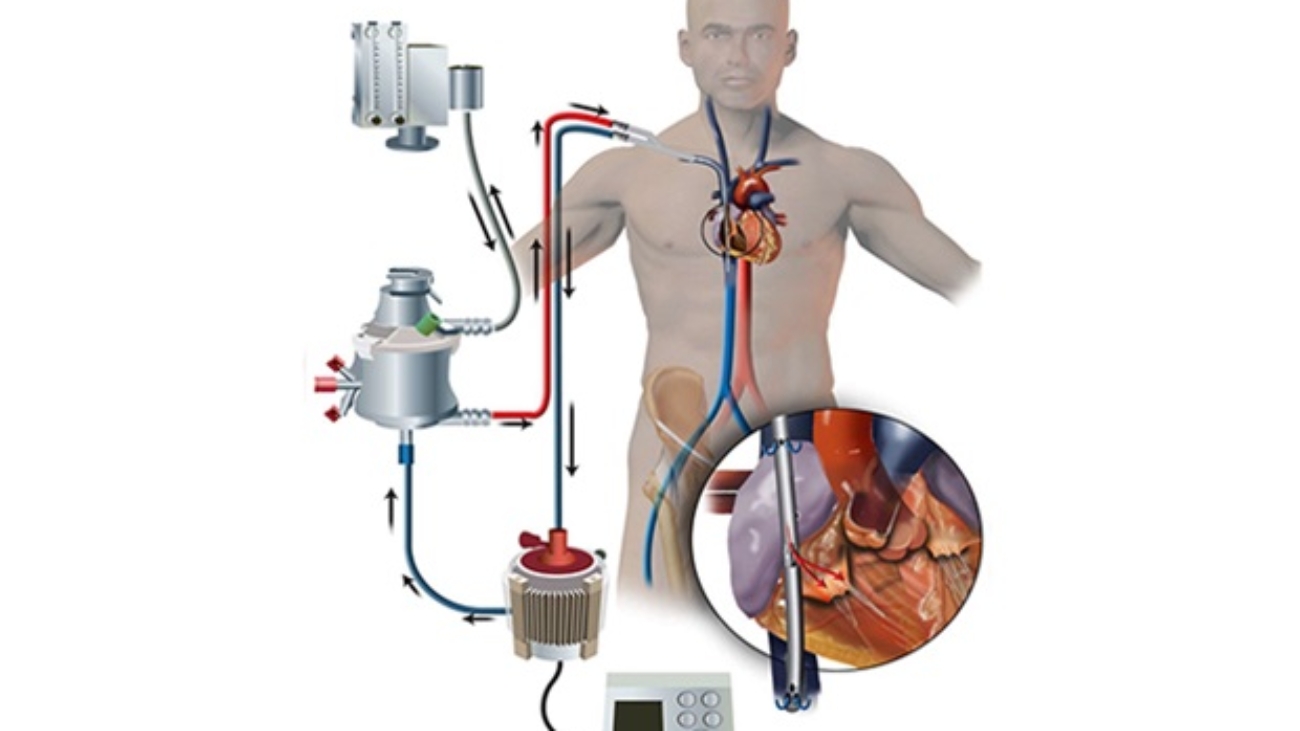
ECMO, or Extracorporeal Membrane Oxygenation, is a life support system used to provide temporary cardiac and respiratory support for individuals with severe heart and/or lung failure. This technology temporarily takes over the functions of the heart and lungs, allowing these organs to rest, heal, and recover.

How ECMO Works:

  1. Cannulation: The procedure begins by inserting two tubes called cannulas into large blood vessels, usually through the groin area. One cannula draws blood from the patient, and the other returns oxygenated blood from the ECMO machine to the body.
  2. Blood Flow and Oxygenation: Blood is pumped from the body into the ECMO machine, where it passes through a special membrane that oxygenates the blood and removes carbon dioxide. The oxygenated blood is then returned to the body, ensuring vital organs receive proper oxygenation.
  3. Monitoring and Adjustment: The ECMO machine constantly monitors the blood flow, oxygen levels, and other parameters to ensure that the heart and lungs are receiving optimal support.

Types of ECMO Configurations:

  1. Venoarterial ECMO (VA-ECMO): In this configuration, blood is drawn from a vein and returned to an artery, providing both cardiac and respiratory support. It is used for individuals with severe cardiac failure, respiratory failure, or a combination of both.
  2. Venovenous ECMO (VV-ECMO): This configuration is used when blood is withdrawn from and returned to veins. VV-ECMO primarily provides respiratory support for patients with severe lung failure, giving the lungs time to rest and heal.

Key Benefits of ECMO:

  1. Provides life-saving support when other treatments have failed.
  2. Supports heart and/or lung function, allowing recovery time for the organs.
  3. Short-term therapy, is typically used for a few days to weeks, depending on the patient’s condition.

Risks and Complications:

While ECMO can be life-saving, it carries potential risks, including:

  • Bleeding
  • Infection
  • Clotting
  • Organ injury
  • Cannulation site issues


    Careful monitoring and management by a highly skilled healthcare team, including perfusionists, critical care physicians, cardiothoracic surgeons, and specialized nurses, is essential for patient safety.

Conclusion:

ECMO serves as a bridge to recovery, allowing the heart and lungs to heal, or as a temporary solution until more definitive interventions, such as heart transplantation or lung transplantation, can be performed. The decision to initiate, maintain, or discontinue ECMO support is made based on the patient’s condition, recovery potential, and response to treatment.

Consult Dr. Lakkireddy Kiran Kumar Reddy, an interventional cardiologist at Onus Heart Institute, for expert guidance on ECMO as a treatment option for severe heart and lung failure.

IMPELLA Dr kiran Lakkireddy

IMPELLA

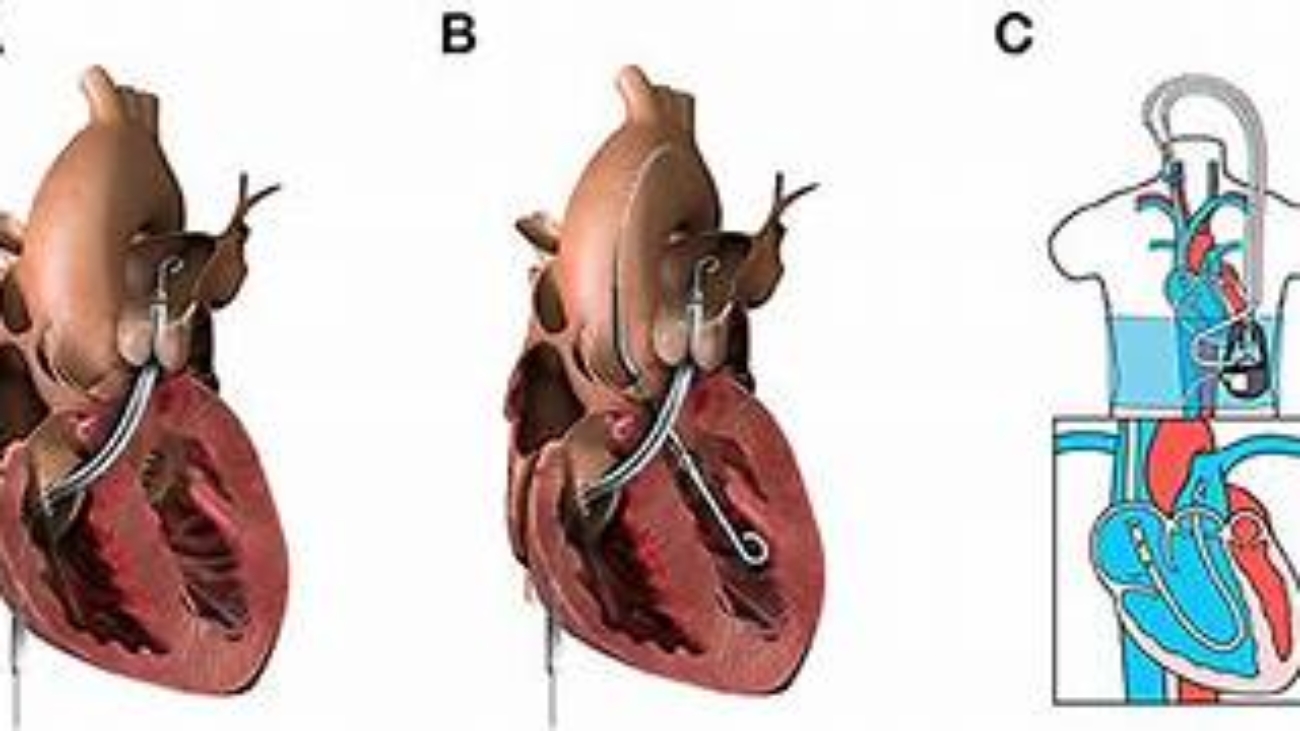
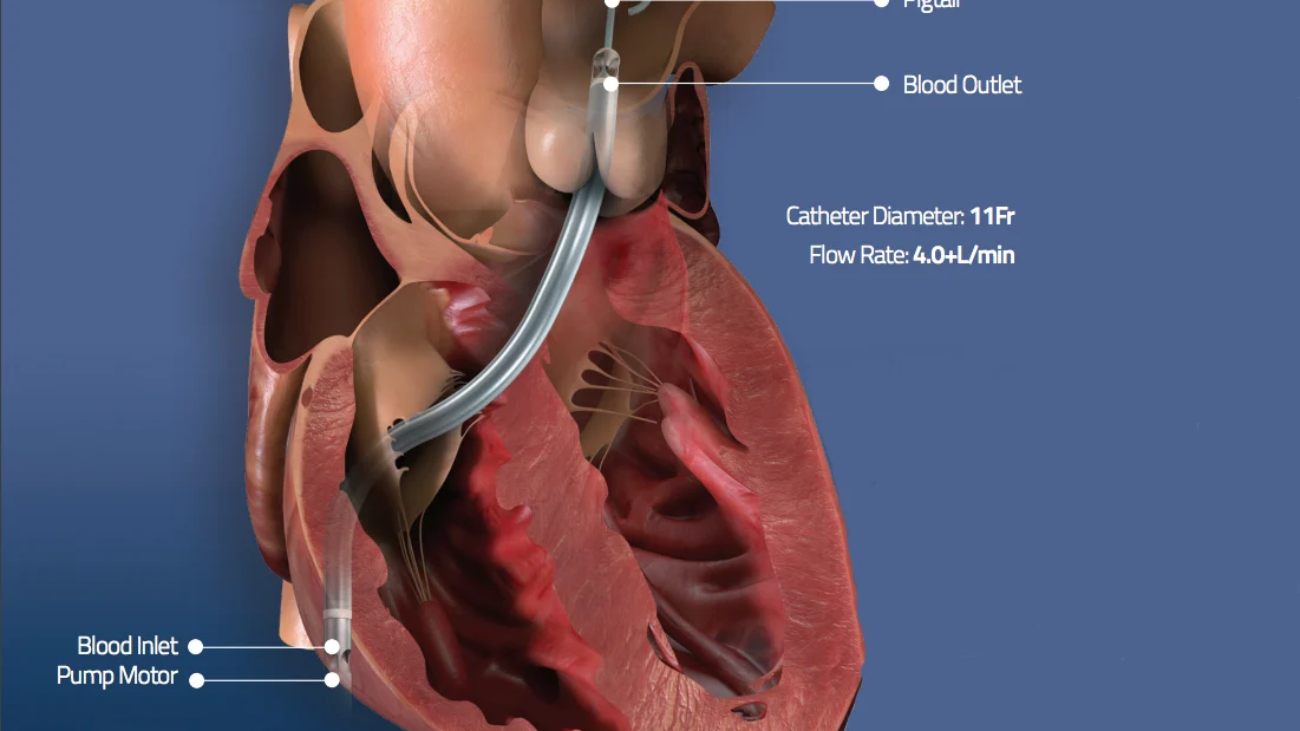
Impella is a type of mechanical circulatory support device used for temporary cardiac support in individuals with severe heart failure or undergoing high-risk cardiac procedures. It is specifically designed to assist the left ventricle in pumping blood, improving cardiac output and perfusion.

The Impella device consists of a catheter with a miniature axial flow pump at its tip. The catheter is inserted into the femoral artery in the groin and advanced into the left ventricle of the heart. The pump is positioned within the left ventricle, drawing blood into the device and then propelling it into the aorta, bypassing the weakened or failing left ventricle.

Key Benefits of Impella:

  1. Continuous blood flow: It helps unload the left ventricle and increases cardiac output, improving organ perfusion.
  2. Temporary cardiac support: It can alleviate symptoms of severe heart failure and aid in recovery.

Clinical Scenarios Where Impella is Used:

  1. High-risk percutaneous coronary interventions (PCI): For patients with complex coronary artery disease or compromised heart function, Impella provides temporary circulatory support during PCI procedures, reducing procedural risks.
  2. Cardiogenic shock: For individuals with severe heart failure or acute myocardial infarction complicated by cardiogenic shock, Impella offers temporary hemodynamic support, buying time for recovery or further interventions.

The Impella device comes in different models, offering varying levels of flow support. The specific model used depends on the patient’s clinical needs and the healthcare provider’s assessment.

Monitoring and Care:

Impella is a temporary support device, usually used for a short duration ranging from hours to days. It requires close management and monitoring by a multidisciplinary team, including interventional cardiologists, cardiac surgeons, and specialized nurses.

Potential Complications:

While Impella can offer valuable support, there are risks involved, including bleeding, vascular injury, infection, device malfunction, and thrombus formation. The decision to use Impella is made on an individualized basis, in collaboration with the healthcare team and the patient, carefully weighing the potential benefits and risks.

Conclusion

Impella offers a powerful solution for patients with severe heart failure or those undergoing high-risk cardiac procedures. It provides vital temporary support, enhancing heart function and improving outcomes in critical situations. However, its use requires careful selection, precise placement, and constant monitoring to ensure patient safety and optimize recovery. At Onus Heart Institute, we work with a team of experts to provide personalized care for patients requiring mechanical circulatory support.

Consult Dr. Lakkireddy Kiran Kumar Reddy at Onus Heart Institute for expert advice on Impella and its role in treating heart failure and related conditions.

IMPELLA”Impella Device for Heart Support: Insights by Dr. Lakkireddy Kiran Kumar Reddy”IMPELLA

When severe heart failure or high-risk cardiac procedures pose a significant threat, the Impella device can provide critical support. Dr. Lakkireddy Kiran Kumar Reddy, an expert cardiologist, sheds light on how this advanced technology helps patients with compromised heart function, offering temporary relief and improving outcomes.

What is the Impella Device?
The Impella is a mechanical circulatory support device designed to assist the left ventricle, the heart’s primary pumping chamber, in patients with severe heart failure or those undergoing high-risk procedures. Through a small catheter with an axial flow pump at its tip, Impella takes over part of the heart’s workload, helping maintain blood flow and organ perfusion.

How Does Impella Work?
Inserted through the femoral artery in the groin, the Impella catheter advances to the left ventricle, where it draws blood directly from the chamber and propels it into the aorta, effectively bypassing the weakened left ventricle. This provides continuous blood flow, reducing stress on the heart and helping stabilize cardiac output. Impella support can last anywhere from a few hours to several days, depending on the patient’s needs.

When is Impella Used?
Impella is often utilized in two main situations:

  1. High-Risk Percutaneous Coronary Interventions (PCI): In patients with complex coronary artery disease or weakened heart function, Impella provides support during PCI, lowering procedural risks and improving outcomes.
  2. Cardiogenic Shock: In cases of severe heart failure or acute heart attack complicated by cardiogenic shock, Impella can offer temporary hemodynamic support, allowing time for the heart to stabilize or for additional interventions.

Impella Models and Patient Selection
Different models of the Impella device provide varying levels of flow support, chosen based on each patient’s specific condition and requirements. Patient selection is critical, as the device is meant for short-term use, and a multidisciplinary team closely monitors its placement and function.

Benefits and Risks
Impella offers essential support for critically ill patients, improving circulation and reducing strain on the heart. However, its use comes with potential risks, including bleeding, vascular injury, infection, and device malfunction. Careful patient selection and monitoring by a skilled team help optimize the benefits while minimizing risks.

Conclusion
The Impella device provides valuable, short-term support for patients with severe heart conditions. Dr. Lakkireddy emphasizes that, with proper selection and vigilant monitoring, Impella offers a vital bridge to recovery or further intervention for those with weakened heart function.

Carotid Stenting: Minimally Invasive Treatment for Carotid Artery Stenosis

Carotid stenting, also known as carotid artery stenting, is a minimally invasive procedure used to treat carotid artery stenosis, which is the narrowing of the carotid arteries in the neck. These arteries supply blood to the brain, and when they become significantly narrowed or blocked, it can increase the risk of stroke.

During carotid stenting, a small, flexible tube called a catheter is inserted into an artery, typically in the groin area, and threaded up to the carotid artery that is affected by the stenosis. The procedure is usually performed under local anesthesia.

Here’s a step-by-step overview of the carotid stenting procedure:

Artery access: A small incision is made in the groin, and a catheter is inserted into a large artery, such as the femoral artery. The catheter is then guided through the arteries to the carotid artery.

Balloon angioplasty: A small deflated balloon is advanced to the site of the stenosis in the carotid artery. The balloon is then inflated, compressing the plaque and widening the artery to improve blood flow. This is known as balloon angioplasty.

Stent placement: After balloon angioplasty, a stent is placed in the treated area. The stent is a small, mesh-like tube made of metal or other materials. It acts as a scaffold to keep the artery open and prevent it from re-narrowing. The stent is delivered to the site of the stenosis through the catheter and expanded to fit securely in the artery.

Post-procedure evaluation: Once the stent is in place, the blood flow is assessed to ensure it is restored and the artery is adequately opened. Imaging techniques such as angiography or ultrasound may be used to evaluate the results of the procedure.

Carotid stenting is typically performed in individuals who are considered high risk for carotid endarterectomy, which is a surgical procedure to remove plaque from the carotid artery. High-risk factors may include advanced age, severe medical conditions, previous neck surgery, or previous radiation therapy to the neck.

Following carotid stenting, patients are usually monitored in a hospital setting for a brief period. Medications to prevent blood clotting, such as antiplatelet drugs, are often prescribed to reduce the risk of stent thrombosis.

As with any medical procedure, carotid stenting carries potential risks and complications, including stroke, bleeding, infection, damage to the artery, or allergic reactions to medications or contrast agents used during the procedure. The risks and benefits of carotid stenting should be carefully considered by the healthcare team based on each individual’s specific condition and circumstances.

Regular follow-up visits and monitoring are necessary after carotid stenting to assess the effectiveness of the procedure and manage any ongoing concerns related to the carotid arteries.

Conclusion:
Dr. Kiran Lakkireddy, Carotid stenting is a valuable treatment option for patients with carotid artery stenosis, offering hope for improved quality of life and reduced stroke risk. Our team is dedicated to providing personalized care and expertise to ensure optimal outcomes.

PRIMARY ANGIOPLASTY Drkiranlakkireddy

PRIMARY ANGIOPLASTY

Primary angioplasty, also known as percutaneous coronary intervention (PCI), is a medical procedure used to treat a heart attack (myocardial infarction) caused by a blockage in the coronary arteries. It is considered the gold standard treatment for acute myocardial infarction.

During primary angioplasty, the goal is to quickly restore blood flow to the blocked coronary artery and minimize the extent of heart muscle damage. The procedure is typically performed in a cardiac catheterization laboratory and involves the following steps:

Cath lab image
  1. Access and catheter insertion: A small incision is made, usually in the wrist (radial approach) or groin (femoral approach), to access the artery. A catheter is inserted through the incision and guided to the coronary arteries under X-ray guidance.
  2. Angiography: A contrast dye is injected through the catheter, and X-ray images (angiograms) are taken to visualize the blocked artery and identify the location and severity of the blockage.
  3. Balloon angioplasty: A thin wire with a deflated balloon attached to it is advanced through the catheter to the site of the blockage. The balloon is then inflated, compressing the plaque against the artery walls and widening the artery to restore blood flow.
  4. Stent placement: In many cases, a stent, which is a small mesh-like tube, is inserted into the treated area. The stent acts as a scaffold to keep the artery open and prevent it from re-narrowing. Some stents are coated with medications (drug-eluting stents) to help prevent re-blockage.
  5. Post-procedure evaluation: Once the blood flow is restored, the success of the procedure is assessed by performing another angiogram to ensure adequate dilation of the artery and good blood flow to the heart muscle.

Primary angioplasty is typically performed as an emergency procedure, and the time from symptom onset to treatment is critical. The goal is to perform the procedure as quickly as possible, preferably within 90 minutes of the patient’s arrival at the hospital (referred to as the “door-to-balloon” time).

Benefits of primary angioplasty include improved blood flow to the heart, reduced heart muscle damage, and improved survival rates compared to other treatments for acute myocardial infarction. However, like any medical procedure, there are risks involved, including bleeding, blood vessel damage, clot formation, and allergic reactions to medications or contrast dye.

After primary angioplasty, patients are closely monitored in the hospital for a period of time. Medications, including antiplatelet agents and anticoagulants, are typically prescribed to prevent clot formation and reduce the risk of future cardiovascular events.

Long-term management after primary angioplasty includes lifestyle modifications, such as a heart-healthy diet, regular exercise, smoking cessation, and adherence to prescribed medications. Regular follow-up visits with the healthcare team are important to monitor the patient’s progress, assess cardiac function, and adjust medications as needed.