Healthy Lifestyle Drkiranlakkireddy

HEALTHY LIFESTYLE

Maintaining a healthy lifestyle is crucial for overall well-being and the prevention of various diseases. Here are some key components of a healthy lifestyle:

  1. Balanced diet: Aim to consume a variety of nutritious foods, including fruits, vegetables, whole grains, lean proteins, and healthy fats. Limit processed foods, sugary drinks, and foods high in saturated and trans fats. Practice portion control and mindful eating.
  2. Regular physical activity: Engage in regular exercise or physical activity for at least 150 minutes per week. Choose activities that you enjoy and that challenge your cardiovascular system, strength, and flexibility. Examples include brisk walking, jogging, swimming, cycling, weightlifting, and yoga.
  3. Adequate sleep: Establish a consistent sleep schedule and aim for 7 to 9 hours of quality sleep each night. Good sleep is essential for physical and mental health, energy levels, and overall functioning.
  4. Stress management: Find healthy ways to manage and cope with stress, such as practicing relaxation techniques (deep breathing, meditation, yoga), engaging in hobbies, spending time with loved ones, or seeking professional support when needed.
  5. Avoid tobacco and limit alcohol consumption: If you smoke, seek resources and support to quit. Limit alcohol consumption or avoid it altogether.
  6. Maintain a healthy weight: Strive to achieve and maintain a healthy body weight through a combination of balanced eating and regular physical activity. Consult with a healthcare professional for personalized guidance.
  7. Regular health check-ups: Schedule regular check-ups with your healthcare provider to monitor your health, screen for potential conditions, and address any concerns or questions you may have.
  8. Hydration: Stay adequately hydrated by drinking plenty of water throughout the day. Limit the intake of sugary drinks and opt for water as the primary beverage.
  9. Social connections: Cultivate positive relationships and social connections with friends, family, and community. Strong social support can contribute to better mental and physical health.
  10. Mental well-being: Prioritize your mental health by engaging in activities that bring you joy, practicing self-care, seeking support when needed, and being mindful of your emotions and mental state.

Remember, adopting a healthy lifestyle is a long-term commitment and involves making sustainable changes. It’s important to listen to your body, make gradual improvements, and seek professional guidance when necessary. Small steps toward a healthier lifestyle can have significant and positive impacts on your overall well-being.

HEALTHY DIET

A healthy diet plays a crucial role in maintaining overall health and preventing chronic diseases. Here are some key principles of a healthy diet:

  1. Eat a variety of nutrient-rich foods: Include a wide range of fruits, vegetables, whole grains, lean proteins (such as poultry, fish, legumes, and tofu), and healthy fats (such as nuts, seeds, avocado, and olive oil) in your diet. These foods provide essential vitamins, minerals, fiber, and other beneficial compounds.
  2. Focus on fruits and vegetables: Aim to fill half your plate with a colorful variety of fruits and vegetables. They are rich in vitamins, minerals, antioxidants, and dietary fiber. Include different types and colors to ensure a wide range of nutrients.
  3. Choose whole grains: Opt for whole grain foods like whole wheat bread, brown rice, quinoa, oats, and whole grain cereals. They contain more fiber, vitamins, and minerals compared to refined grains.
  4. Include lean proteins: Choose lean sources of protein, such as poultry, fish, legumes (beans, lentils, chickpeas), tofu, and low-fat dairy products. These provide important nutrients without excessive saturated fat.
  5. Reduce processed foods: Limit the consumption of processed and packaged foods, which are often high in added sugars, unhealthy fats, and sodium. These include sugary snacks, processed meats, sugary drinks, and packaged snacks.
  6. Limit added sugars and sugary drinks: Minimize the intake of foods and drinks with added sugars, such as soda, candy, pastries, and sweetened cereals. Opt for water, herbal tea, or unsweetened beverages instead.
  7. Control portion sizes: Be mindful of portion sizes to avoid overeating. Use smaller plates and bowls, and listen to your body’s hunger and fullness cues.
  8. Stay hydrated: Drink an adequate amount of water throughout the day. Water helps maintain hydration, aids digestion, and supports overall bodily functions.
  9. Reduce sodium intake: Limit the consumption of high-sodium foods like processed meats, canned soups, and packaged snacks. Opt for herbs, spices, and other seasonings to flavor your meals instead.
  10. Practice mindful eating: Pay attention to your eating habits and enjoy meals without distractions. Eat slowly, savoring the flavors and textures of your food. This can help you recognize feelings of fullness and promote better digestion.

Remember, a healthy diet is about making sustainable choices and finding a balance that works for you. It’s important to consult with a healthcare professional or registered dietitian for personalized guidance based on your specific dietary needs, preferences, and any underlying health conditions.

The Mediterranean diet is a dietary pattern based on the traditional eating habits of people living in countries bordering the Mediterranean Sea, such as Greece, Italy, Spain, and Turkey. It has gained recognition for its potential health benefits and is considered one of the healthiest diets to follow. Here are the key features of the Mediterranean diet:

  1. Abundant plant-based foods: The Mediterranean diet emphasizes the consumption of fruits, vegetables, whole grains, legumes, nuts, and seeds. These foods are rich in fiber, vitamins, minerals, and antioxidants.
  2. Healthy fats: Instead of relying on saturated and trans fats, the Mediterranean diet encourages the consumption of healthy fats, primarily from olive oil, nuts, and seeds. Olive oil, in particular, is a central component and is used as the primary source of fat in cooking and dressing.
  3. Moderate intake of fish and poultry: Fish, especially fatty fish like salmon, mackerel, and sardines, is consumed regularly in the Mediterranean diet due to its omega-3 fatty acid content. Poultry is also included in moderation.
  4. Limited red meat: Red meat consumption is limited in the Mediterranean diet and is often reserved for special occasions. When consumed, it is typically in small portions.
  5. Dairy products in moderation: The intake of dairy products, such as yogurt and cheese, is moderate in the Mediterranean diet. Greek yogurt is a common choice due to its probiotic content.
  6. Fresh fruits as desserts: Instead of sugary desserts, fresh fruits are commonly enjoyed as a healthier alternative. They provide natural sweetness and additional nutrients.
  7. Red wine in moderation: Moderate consumption of red wine, typically with meals, is a characteristic of the Mediterranean diet. This is optional and should be avoided by individuals who cannot tolerate alcohol or have certain health conditions.

The Mediterranean diet has numerous health benefits, including a reduced risk of heart disease, stroke, certain cancers, and chronic conditions like diabetes and obesity. It is believed that the combination of plant-based foods, healthy fats, and moderate consumption of other food groups contributes to these positive health outcomes.

It’s important to note that the Mediterranean diet is not just about the foods consumed but also encompasses a lifestyle approach. Regular physical activity, enjoying meals with family and friends, and adopting mindful eating practices are also emphasized.

While the Mediterranean diet offers many health benefits, it’s important to personalize it based on individual needs, preferences, and any specific dietary considerations. Consulting with a healthcare professional or registered dietitian can provide tailored guidance to help incorporate the Mediterranean diet into your lifestyle.

HEART ATTACK vs HEART BLOCK

A heart attack and heart block are two distinct cardiac conditions with different causes and manifestations. Here’s a brief explanation of each:

  1. Heart attack (Myocardial Infarction): A heart attack, medically known as myocardial infarction (MI), occurs when there is a blockage in one or more of the coronary arteries, which supply oxygenated blood to the heart muscle. This blockage usually results from the buildup of cholesterol plaque that ruptures and forms a blood clot, obstructing the artery. The lack of blood flow and oxygen to a section of the heart muscle can lead to damage or death of the affected tissue. Symptoms of a heart attack often include intense chest pain or discomfort, shortness of breath, pain radiating to the left arm, jaw, or back, nausea, sweating, and lightheadedness. Prompt medical attention is essential for the diagnosis and management of a heart attack, as it is a medical emergency.
  2. Heart block: Heart block, also referred to as atrioventricular block, is a condition that affects the electrical conduction system of the heart. It occurs when the electrical signals that regulate the heartbeat are delayed or blocked as they travel from the atria (upper chambers) to the ventricles (lower chambers). This disruption in the electrical pathway can result in an abnormally slow heart rate, which can cause symptoms such as dizziness, fatigue, fainting, or even cardiac arrest in severe cases. Heart block can have various causes, including age-related degeneration, heart disease, congenital defects, medication side effects, or electrolyte imbalances. Treatment for heart block depends on the severity and symptoms and may involve the use of medications, pacemakers, or other interventions to regulate the heart rate and restore proper conduction.

It’s important to note that while heart attack and heart block are distinct conditions, they can coexist in some cases. For instance, a heart attack may lead to damage in the conduction system, resulting in heart block as a secondary complication. Therefore, it is crucial to seek immediate medical attention if you experience symptoms suggestive of a heart attack or any concerning cardiac symptoms to receive an accurate diagnosis and appropriate treatment.

The management of a heart attack and heart block differs due to their distinct underlying causes and immediate risks. Here’s an overview of the management approaches for each condition:

Management of a Heart Attack (Myocardial Infarction):

  1. Immediate medical attention: A heart attack is a medical emergency, and it is crucial to call for emergency medical assistance (such as an ambulance) as soon as possible.
  2. Emergency medical care: Upon arrival at the hospital, the medical team will quickly assess the situation and provide immediate treatment, which may include:
    • Oxygen therapy: Supplemental oxygen is administered to ensure adequate oxygen supply to the body.
    • Medications: Aspirin or other antiplatelet medications may be given to help prevent further blood clotting. Nitroglycerin and/or pain medications may be provided to relieve chest pain or discomfort.
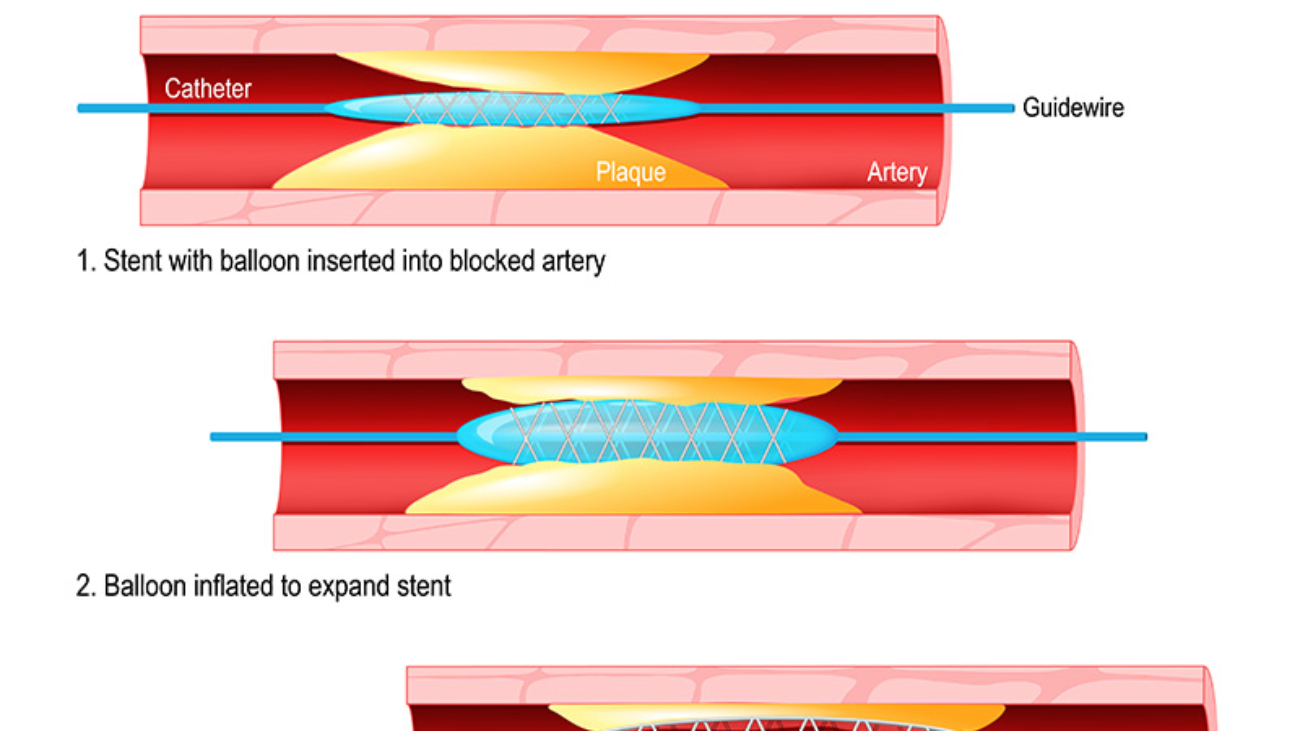
    • Reperfusion therapy: Time-sensitive procedures such as percutaneous coronary intervention (PCI) or thrombolytic therapy may be performed to restore blood flow to the blocked coronary artery and minimize damage to the heart muscle.
  3. Post-acute care and management: After initial treatment, the patient will typically be admitted to the hospital for further monitoring and management, which may include:
    • Medications: Medications such as antiplatelet agents, beta-blockers, ACE inhibitors, statins, and other appropriate drugs are prescribed to manage risk factors, improve heart function, prevent future complications, and aid in recovery.
    • Cardiac rehabilitation: A structured program that combines exercise, education, counseling, and support to help patients recover, improve cardiovascular fitness, and reduce the risk of future heart problems.
    • Lifestyle modifications: Emphasizing the importance of a heart-healthy diet, regular physical activity, smoking cessation, stress management, and maintaining a healthy weight.
    • Follow-up care: Regular follow-up visits with a healthcare provider to monitor progress, assess the effectiveness of treatment, and adjust medications if needed.

Management of Heart Block (Atrioventricular Block):

  1. Evaluation and diagnosis: A healthcare provider will conduct a thorough evaluation to determine the underlying cause and severity of the heart block. This may involve a medical history review, physical examination, electrocardiogram (ECG), and other tests such as Holter monitoring or electrophysiological studies.
  2. Observation and monitoring: Depending on the severity of the heart block and associated symptoms, the healthcare provider may recommend monitoring the condition to assess any changes or progression.
  3. Medications: In some cases, causative medications such as beta-blockers or calcium channel blockers or other antiarrhythmic drugs should be stopped or medications such as Orciprenaline, Isoprenaline or Atropine my be given to manage symptoms, regulate heart rate, or improve the electrical conduction.
  4. Pacemaker: For more severe cases of heart block, a pacemaker may be implanted. It may be temporary or permanent. Temporary pacemaker is placed from groin to support heart rate temporarily till permanent pacemaker implanted. A pacemaker is a small device that helps regulate the heart’s electrical impulses and ensures a consistent and appropriate heart rate.
  5. Lifestyle modifications: Similar to heart attack management, lifestyle modifications play a crucial role in overall heart health. This includes adopting a heart-healthy diet, engaging in regular physical activity (as advised by healthcare providers), quitting smoking, managing stress, and maintaining a healthy weight.

It’s important to note that the management approach for both conditions may involve personalized and individualized care based on the specific needs, underlying conditions, and severity of the condition. Therefore, it is essential to consult with healthcare professionals for a thorough evaluation, accurate diagnosis, and tailored management plan.