Pacemaker / ICD / CRT Implantation
Home > Services > Peacemaker
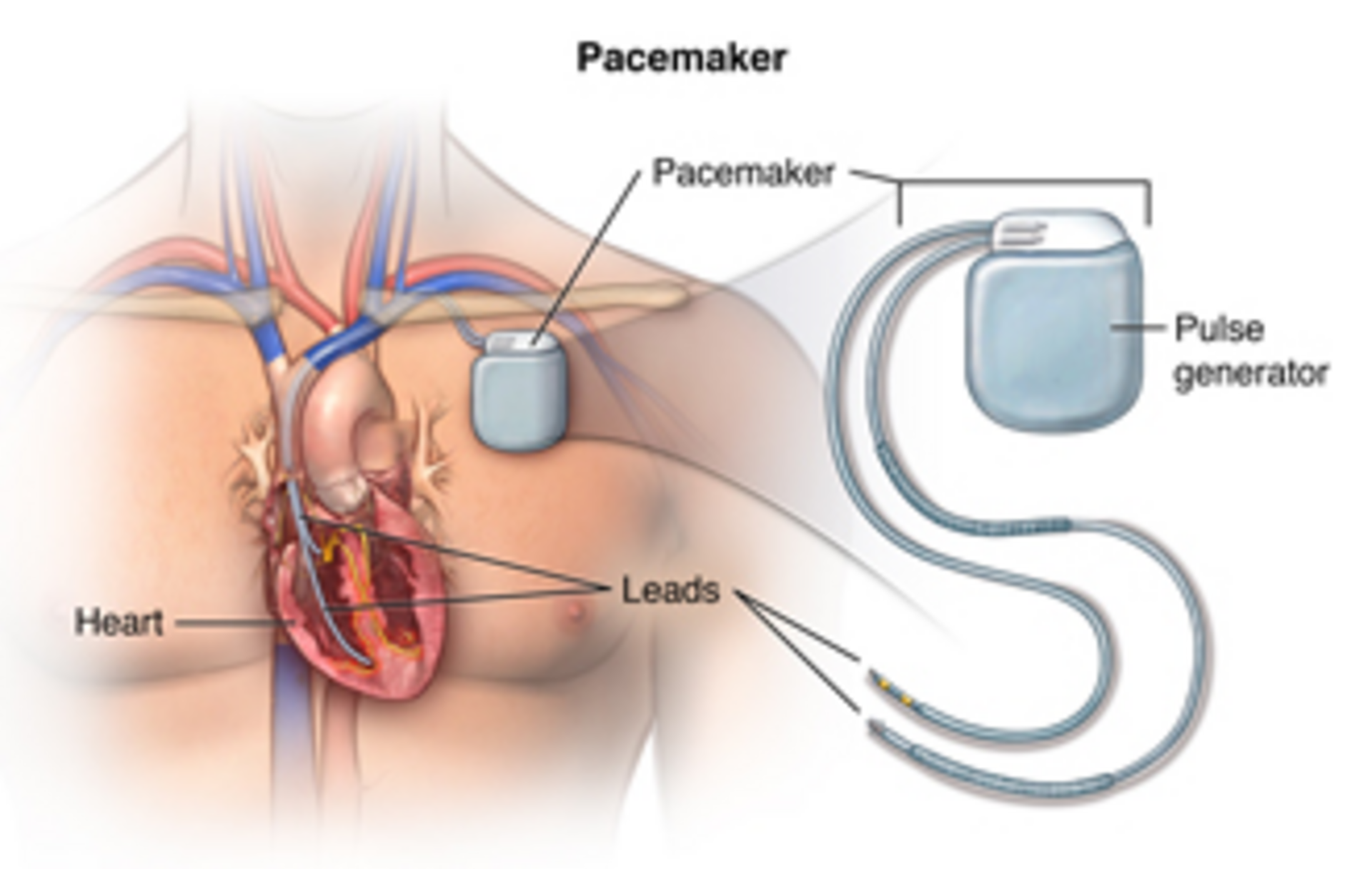
Pacemaker, ICD, and CRT are advanced cardiac implantable devices used to treat abnormal heart rhythm and heart failure. These devices help regulate the heart rate, prevent life-threatening arrhythmias, and improve the pumping function of the heart. Implantation of these devices is a minimally invasive procedure performed in a cardiac cath lab or operation theatre under local anesthesia.
1. Pacemaker – Indications :
A pacemaker is implanted when the heart beats too slowly or irregularly. Common conditions requiring pacemaker include:
•Complete heart block
•Symptomatic bradycardia (slow heart rate)
•Sick sinus syndrome
•Syncope due to rhythm disturbance
•Conduction block after heart attack or surgery
The pacemaker sends electrical impulses to maintain a normal heart rate.
2. ICD – Indications:
An Implantable Cardioverter Defibrillator (ICD) is used to prevent sudden cardiac death due to dangerous heart rhythms.
Indications include:
•Ventricular tachycardia or ventricular fibrillation
•Severe cardiomyopathy with low ejection fraction
•Survivors of cardiac arrest
•High-risk patients with inherited arrhythmia syndromes
The ICD continuously monitors heart rhythm and delivers shock if a life-threatening rhythm occurs.
3. CRT – Indications :
Cardiac Resynchronization Therapy (CRT) is used in patients with advanced heart failure and electrical conduction delay.
Indications include:
•Severe heart failure symptoms
•Low ejection fraction
•Bundle branch block
•Wide QRS on ECG
•Persistent symptoms despite medications
CRT improves coordination of heart contraction and increases pumping efficiency.
1. Prcedure:
The implantation is done under local anesthesia with mild sedation. A small incision is made below the collar bone, usually on the left side. Through a vein, special leads (thin insulated wires) are advanced into the heart under X-ray guidance. These leads are positioned in the appropriate chambers of the heart and connected to the device generator, which is placed under the skin in the chest area.
The device is tested during the procedure to ensure proper sensing and pacing. The wound is then closed with sutures, and the patient is monitored for a few hours. Most patients are discharged within 24–48 hours.
2. Safety:
Pacemaker, ICD, and CRT implantation are very safe procedures when performed by experienced cardiologists. Possible but uncommon risks include bleeding, infection, lead displacement, pneumothorax (air leak around lung), or device malfunction. Use of modern MRI-compatible devices, advanced imaging guidance, and strict sterile techniques has made the procedure highly successful with excellent long-term outcomes.
Pacemakers greatly improve the quality of life for individuals with heart rhythm disorders, ensuring that their hearts maintain a regular rhythm and function properly. The decision to implant a pacemaker is based on a comprehensive evaluation by a healthcare professional specializing in cardiac electrophysiology or cardiology.
Pacemakers greatly improve the quality of life for individuals with heart rhythm disorders, ensuring that their hearts maintain a regular rhythm and function properly. The decision to implant a pacemaker is based on a comprehensive evaluation by a healthcare professional specializing in cardiac electrophysiology or cardiology.