Paediatric Cardiac Interventions
Home > Services > Paediatric Cardiac Interventions
Device Closure and Catheter-Based Treatment for Congenital Heart Defects
Paediatric cardiac interventions are minimally invasive catheter-based procedures used to treat congenital heart defects in infants, children, and sometimes adults with untreated childhood heart disease. Many structural heart problems that previously required open-heart surgery can now be treated safely using catheter techniques, avoiding large surgical scars and allowing faster recovery. These procedures are performed in a specialized cardiac cath lab using fluoroscopy and echocardiography guidance to ensure accurate device placement.
Congenital heart defects occur due to abnormal development of the heart before birth. Common defects include holes in the heart, abnormal valves, or narrowing of blood vessels. Early diagnosis and timely intervention help prevent complications such as heart failure, poor growth, recurrent infections, or pulmonary hypertension.
1. Indications:
Catheter-based treatment is recommended in children with:
•Atrial Septal Defect (ASD)
•Ventricular Septal Defect (VSD)
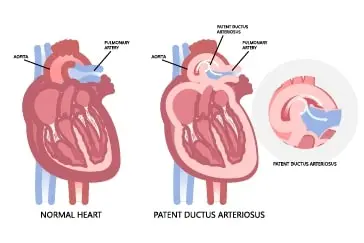
•Patent Ductus Arteriosus (PDA)
•Pulmonary valve stenosis
•Aortic valve stenosis
•Coarctation of aorta
•Branch pulmonary artery stenosis
•Residual defects after previous surgery
•Selected congenital valve diseases
These conditions are usually diagnosed by echocardiography, and further evaluation may include CT scan or cardiac catheterization.
2. Procedure:
Paediatric cardiac interventions are performed under local anesthesia with sedation or general anesthesia depending on the age of the child and type of defect. A small puncture is made in the vein or artery, usually in the groin. Through this puncture, thin catheters are passed to the heart under X-ray and echocardiography guidance.
In ASD closure, a special device is placed across the hole in the atrial septum to close the defect permanently.
In PDA closure, a coil or device is used to block the abnormal blood vessel connecting the aorta and pulmonary artery.
In VSD closure, a specially designed device is placed across the hole in the ventricular septum in selected cases.
In balloon valvuloplasty, a balloon is inflated across a narrowed valve to improve blood flow.
In coarctation angioplasty, balloon dilation with or without stent is done to open narrowed aorta.
These procedures usually take 30 minutes to 2 hours depending on complexity.
3. Benefits:
•No chest opening surgery
•Minimal pain
•Small puncture only
•Short hospital stay
•Quick recovery
•Excellent success rate
•Normal growth and development after treatment
Most children can go home within 1–2 days and return to normal activity quickly.
4. Safety:
Paediatric cardiac interventions are very safe when performed in experienced centers with proper imaging support. Continuous monitoring of heart rhythm, blood pressure, and oxygen levels is done throughout the procedure.
Possible but uncommon risks include bleeding, device displacement, arrhythmia, vessel injury, or residual leak, but modern devices and advanced imaging have significantly reduced complications. With proper follow-up, most children lead a completely normal and healthy life after successful intervention.
Pacemakers greatly improve the quality of life for individuals with heart rhythm disorders, ensuring that their hearts maintain a regular rhythm and function properly. The decision to implant a pacemaker is based on a comprehensive evaluation by a healthcare professional specializing in cardiac electrophysiology or cardiology.
Pacemakers greatly improve the quality of life for individuals with heart rhythm disorders, ensuring that their hearts maintain a regular rhythm and function properly. The decision to implant a pacemaker is based on a comprehensive evaluation by a healthcare professional specializing in cardiac electrophysiology or cardiology.